
Last updated November 18, 2026
 Hardwood
 Engineered hardwood
 Luxury vinyl plank
 Laminate
 Porcelain tile
 Carpet
 Shaw
 Mohawk
 COREtec
 Pergo
Free in-home measure and written estimate: Shaw, Mohawk, COREtec and Pergo lines compared on your own rooms, with carpet, tile, vinyl plank, laminate and hardwood laid out side by side
Get your free estimateFlooring Installation Questions to Ask Before You Sign
The word “includes” is doing a lot of work in flooring contracts. Demo, haul-away, furniture moving, transition strips, and subfloor repair are each commonly excluded from bids that read as all-in prices. A homeowner can compare three proposals for a room in Enterprise, pick the middle number, and still be surprised on installation day by a change order that adds real money before the first plank goes down. This guide gives you the exact questions that surface those gaps: what’s in the written scope, who actually installs the floor, which product line is being quoted, who backs the installation warranty, and what triggers a change order. Read it before you sign anything.
Quick Answer
Before signing a flooring contract, ask what demo, haul-away, subfloor prep, and transitions are included in the written scope, who physically installs the floor and whether they’re the company’s employees or subcontractors, the exact product line and grade being quoted, who backs the installation warranty and what voids it, and what triggers a change order. Get every answer in writing. The contract sets the price, so the questions you ask before signing are the questions that decide the final number. Our technicians have up to 9 years of experience, and the gaps we see most often are the ones nobody put on paper.
Styles & brands we work with
- Hardwood
- Engineered hardwood
- Luxury vinyl plank
- Laminate
- Porcelain tile
- Carpet
- Shaw
- Mohawk
- COREtec
- Pergo
Table of Contents
- What’s Actually in the Written Scope?
- Who Physically Installs Your Floor?
- Which Product Line and Grade Are You Buying?
- Who Backs the Installation Warranty?
- What Triggers a Change Order, and What Does It Cost?
- How Will Your Home Be Protected and Handled?
- What’s the Realistic Schedule and Payment Plan?
- Why a Flooring Specialist Asks Better Questions
What’s Actually in the Written Scope?
Ask for the scope in writing, line by line, and don’t accept “we’ll figure it out day-of” for anything that affects price. The scope is the single document that decides what you owe and what you don’t. When a proposal reads as one all-in number, get them to break out every line item and confirm whether each is included, excluded, or priced separately. Removals and subfloor work are where vague language costs the most, so push on each one directly.
Walk through these items and get a written answer for each:
- Demo and removal: Is tearing out the old floor included, and does the price change if the old floor is glued down, set in thick mortar, or layered over another floor?
- Haul-away and disposal: Does the quote cover getting the old material off your property, or is that a separate line?
- Furniture moving: Are you expected to clear the room yourself, or is moving and resetting furniture part of the job?
- Subfloor prep: Is prep included, and if the subfloor turns out uneven or damaged once the old floor comes up, how is that priced?
- Transitions and trim: Are transition strips, thresholds, baseboards, and shoe molding included? These small pieces add up across a whole home.
- Appliance and fixture handling: If it’s a kitchen or bathroom, who moves the appliances or toilet, and who puts them back?
Notice the pattern: the items that get left off a bid are almost always the small ones that stack up, plus the messy ones nobody wants to quote. A clear scope names all of them. If a salesperson waves away a category, that’s your cue to ask for it in writing before you sign.
Who Physically Installs Your Floor?
Ask who will be in your home on installation day, whether they’re the company’s employees or independent subcontractors, and whether that changes the installation warranty. This question matters more than most homeowners realize. The person quoting the job and the person laying the floor are often not the same, and the accountability chain depends entirely on how the company is structured. You deserve to know who’s on the crew and who stands behind their work.
Here’s what to pin down:
- Employees or subcontractors? Ask plainly. There’s no wrong answer if it’s clear, but an evasive answer is a red flag.
- Same crew or rotating? Will the same people who start the job finish it, or does the crew change mid-project?
- Who supervises? Is there a lead on site who checks the work, or does the installer work unsupervised?
- Does the warranty cover labor? If a seam lifts or a tile cracks a year later, does the installation warranty cover the labor to fix it, or only the material?
- What’s the callback process? If something’s wrong after the job, who do you call and how quickly does someone respond?
The installation warranty is where the crew question really bites. Material warranties from manufacturers are separate from the work of installing the floor correctly. A flooring specialist stands behind both pieces – the brand-quality materials and the craft of putting them down – because that’s how you get a floor that holds up. If the warranty covers only the product and not the labor, a defect becomes your problem to solve.
Which Product Line and Grade Are You Buying?
Ask for the exact product line, collection, and grade on the contract, and ask how you’ll verify on delivery that it matches what you saw in the showroom. “Carpet,” “tile,” and “hardwood” are categories, not products. The same brand can make a range of products across price tiers, and a quote that names only the brand leaves the door open to a substitution you didn’t agree to. The written contract should name the specific line and grade so there’s no ambiguity.
A few practical questions to ask:
- What’s the exact line and style number? Get it printed on the contract, not just told to you.
- What grade are you quoting? Some lines have several grades at different price points. Make sure the grade you saw is the grade you’re paying for.
- How do I check it on delivery? Ask to see the product label and style number when the material arrives, before installation begins.
- Is this the same product as the sample? Confirm the sample you handled matches the product being ordered, and ask what happens if it doesn’t.
When you work with a company that carries a range of brands, from Shaw and Armstrong to Daltile and Karndean, you can compare the actual lines side by side rather than trusting a brochure. That’s the advantage of nine brands, one specialist: you’re comparing real products, not marketing claims, and you can see the exact grade you’re buying before it’s on the contract. Ask the question. Write down the answer. Verify it on delivery.
Who Backs the Installation Warranty?
Ask who backs the installation warranty, what voids it, and what the claims process actually looks like in practice. Two separate warranties are at play, and homeowners often conflate them. The manufacturer backs the product; the installer backs the installation. Those are different documents with different coverage, and the contract should say which covers what. Get both in writing and read the fine print before you sign.
Here’s what to sort out:
- Product warranty vs. labor warranty: Which covers the material, which covers the installation work, and how long does each last?
- What voids the installation warranty? Common triggers include moisture damage, movement of the subfloor, damage from furniture or pets, and improper cleaning. Ask for the list.
- Who do I call for a claim? Is it the installer, the manufacturer, or both? Get a name and process in writing.
- What does the claims process look like? Does someone come inspect it? What’s the turnaround? How is a repair scheduled?
- Are there transfer or repair conditions? If a single tile cracks, does the warranty cover a repair, and does the repair itself carry a new warranty?
Product warranties are set by the manufacturer and depend on the product, so read them as written – don’t rely on a salesperson’s summary. Installation warranties are the installer’s own promise. Ask for the details of both before you commit, because on signing day you have the most leverage. Later, when something needs fixing, you’re relying on what’s written.
What Triggers a Change Order, and What Does It Cost?
Ask what triggers a change order, what it costs, and whether subfloor conditions found on installation day are a known variable or a surprise. A change order is any addition or change to the original scope after the contract is signed. It’s the mechanism that protects both sides when something unexpected turns up – but only if you understand it up front. The goal isn’t to avoid change orders entirely; it’s to know when they’re likely and what they’ll cost.
Get these answers in writing:
- What triggers one? Changes in material, extra subfloor work, added rooms, or client-requested modifications mid-project.
- What does it cost? Is there a flat rate, an hourly rate, a per-item rate, or is it re-quoted per change?
- Who approves it? Does any change need your written approval before the work proceeds? (It should.)
- What’s the payment timeline? Does a change order require immediate payment, or is it added to the final invoice?
Subfloor conditions are the biggest wildcard, and this is where a flooring specialist earns their keep. A specialist knows before demo what’s likely under your floor based on the home’s age, construction, and previous flooring – so a change order for subfloor work should be a documented risk on the front end, not a surprise on installation day. A generalist who “does floors too” guesses, and guesses turn into change orders. The question to ask is simple: “What subfloor conditions could you find here, and how would that change the price?” If they can’t answer before demo, that’s a sign to ask harder questions.
How Will Your Home Be Protected and Handled?
Ask how the crew will protect your home and handle the mess, because installation is messy by nature and the difference between a smooth job and a stressful one is usually preparation. Dust, debris, and traffic through your home are part of the process, and a well-prepared installer has a plan for all of it. Ask what that plan is before the crew shows up. The answers tell you a lot about how the company runs a job.
Ask these specific questions:
- Dust control: Will they use plastic sheeting, dust barriers, or a containment plan for cutting and demo?
- Floor protection: How will they protect adjacent floors and the path to the work area?
- Debris removal: Where does the old material go, and is the disposal on your property or theirs?
- Daily cleanup: Will the crew clean up at the end of each day, or after the job is done?
- Access and parking: What’s the plan for delivering materials and getting them to the room?
Enterprise homes are built for heat, and that shapes some of the prep. The desert climate here in Enterprise means subfloor moisture and slab conditions get checked carefully before any install, and we plan the schedule around the temperature, not against it. A flooring specialist knows the local conditions because they’ve worked in the same climate for years. Ask what local considerations apply to your home. It’s a fair question, and the answer shows you who knows the terrain.
What’s the Realistic Schedule and Payment Plan?
Ask when the job will actually start and finish, and how the payment schedule works – because a realistic schedule and a fair payment plan both protect you. Be wary of a timeline that sounds too good to be true. Flooring installation has real dependencies: material ordering, acclimation, prep, and install. Each step has its own time. A quote that ignores those steps is either guessing or planning to add them later.
Questions worth asking:
- What’s the start date and finish date? Get a window in writing, and ask what could shift it.
- What are the dependencies? Does the schedule assume the room is cleared, the subfloor is ready, and the material is on site?
- How is payment structured? Is there a deposit, a progress payment, or payment on completion? Get the schedule in writing.
- What happens if something delays the job? Material delays, weather, or crew availability – who communicates and how?
- Is there a final walkthrough? Does someone inspect the finished floor with you before final payment?
Payment terms are where trust shows. A fair structure ties the last payment to a finished, inspected floor. Ask for the walkthrough as part of the contract, not a favor at the end. It’s the moment both sides confirm the floor matches the scope – the check that closes the loop on everything else in this guide.
Why a Flooring Specialist Asks Better Questions
The reason to ask a flooring specialist these questions rather than a general contractor is that a specialist already knows the answers before you ask. A flooring specialist fills a home’s floors for a living, so scope items, crew structure, product lines, and warranty chains are their daily language. A generalist who “does floors too” is learning on your project, and the gap shows up in the contract – missing scope items, vague product names, and change orders that arrive after demo.
What a specialist brings to the table:
- Whole-home coverage: carpet, tile, and hardwood handled by one company, so a project that touches several rooms doesn’t require coordinating multiple trades.
- A curated brand range: working lines from Shaw, Mohawk, COREtec, Pergo, LifeProof, Mannington, Armstrong, Daltile, and Karndean, which means you compare options with one specialist instead of shopping five stores.
- Refinishing as a first option: restoring a hardwood floor at a fraction of the cost of replacement, when the wood’s thickness and condition allow it.
- Knowledge of the local market: what’s realistic in an Enterprise home and a desert climate, from product choices to subfloor prep.
That last point is worth repeating. Floors Enterprise is a flooring specialist, not a general trade contractor – our work is carpet, tile, and hardwood, and nothing else. It’s the difference between someone whose every project is a floor and someone for whom a floor is one job among many. If you’re comparing a specialist against a generalist, the questions in this guide will show you the difference quickly. You can compare our carpet installation and tile flooring installation pages to see the level of scope detail we put in front of customers before they sign anything.
Common Mistakes to Avoid
- Signing a one-line bid. If the proposal is one all-in number with no line items, you can’t tell what’s included. Ask for the scope broken out, item by item, before you sign.
- Assuming demo and haul-away are included. These are the most commonly excluded items on a bid that looks all-in. Confirm both in writing, or you’ll be paying at the end of the job.
- Not asking who’s on the crew. If you don’t know whether employees or subcontractors will be in your home, you don’t know who backs the installation warranty. Ask directly.
- Trusting the brand name instead of the line. “Shaw” or “Armstrong” doesn’t tell you the product, the grade, or the price. Get the exact line and grade on the contract, and verify on delivery.
- Confusing the product warranty with the labor warranty. The manufacturer covers the material; the installer covers the installation. Read both, and know which covers what.
- Letting subfloor surprises arrive after demo. In Enterprise, desert conditions make subfloor prep a known variable, not a mystery. A specialist tells you the risks on the front end; a generalist tells you after the floor is up.
- Skipping the final walkthrough. Without an inspection before final payment, you’ve given up your last chance to catch a problem. Put the walkthrough in the contract.
See the difference
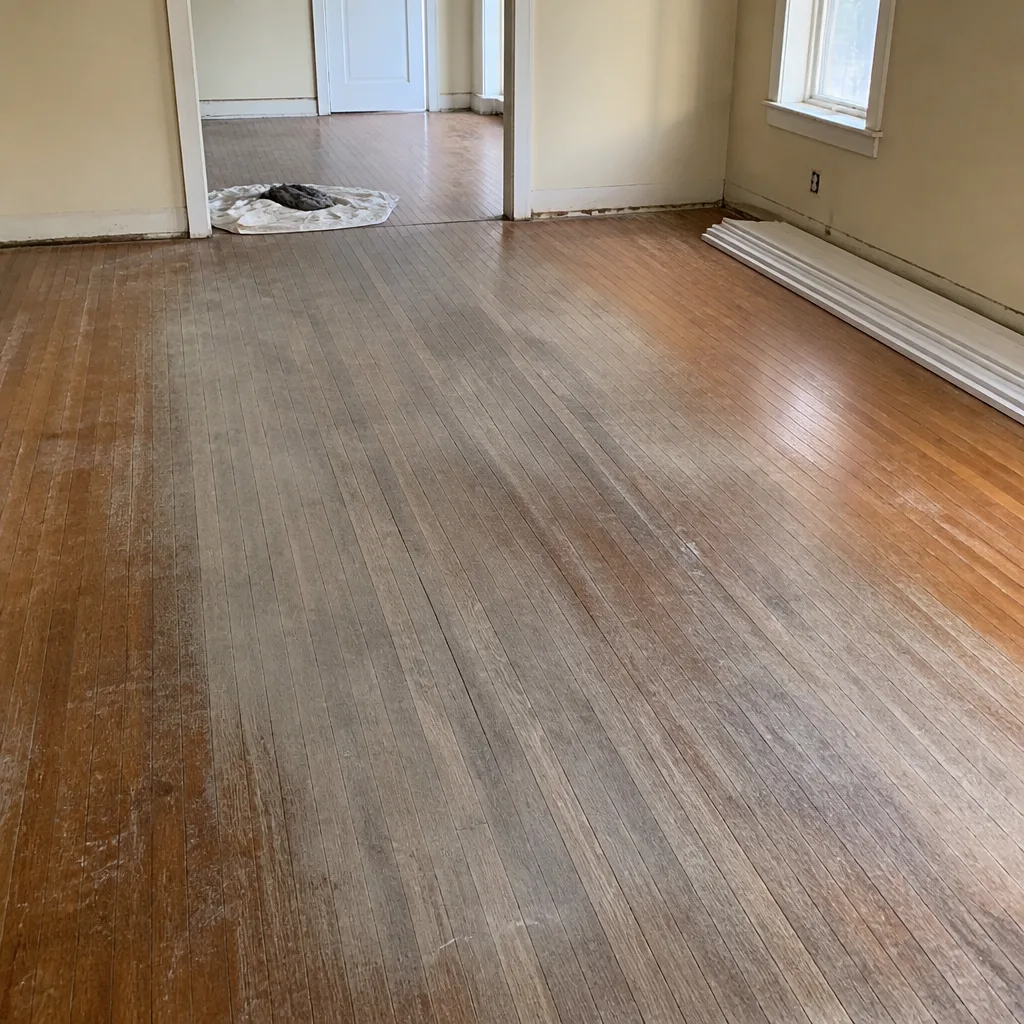 Before
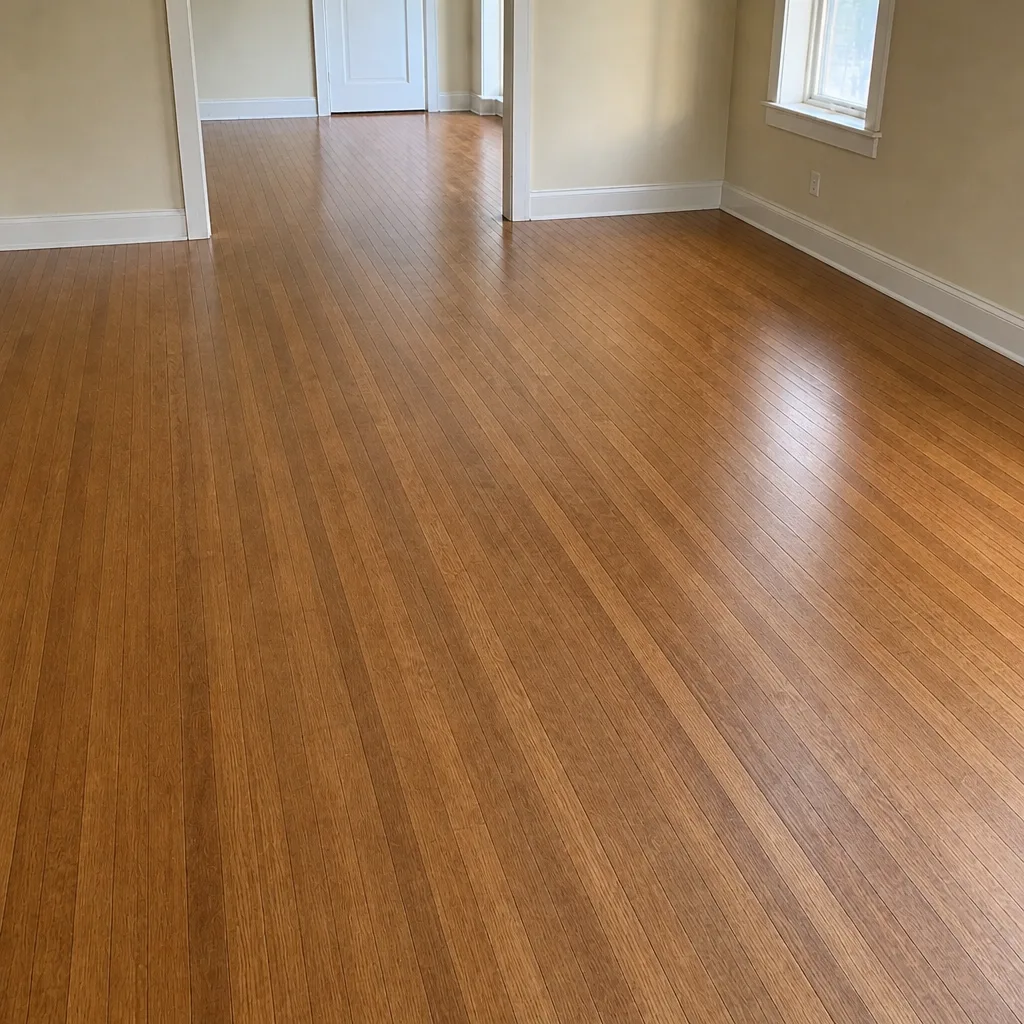 After
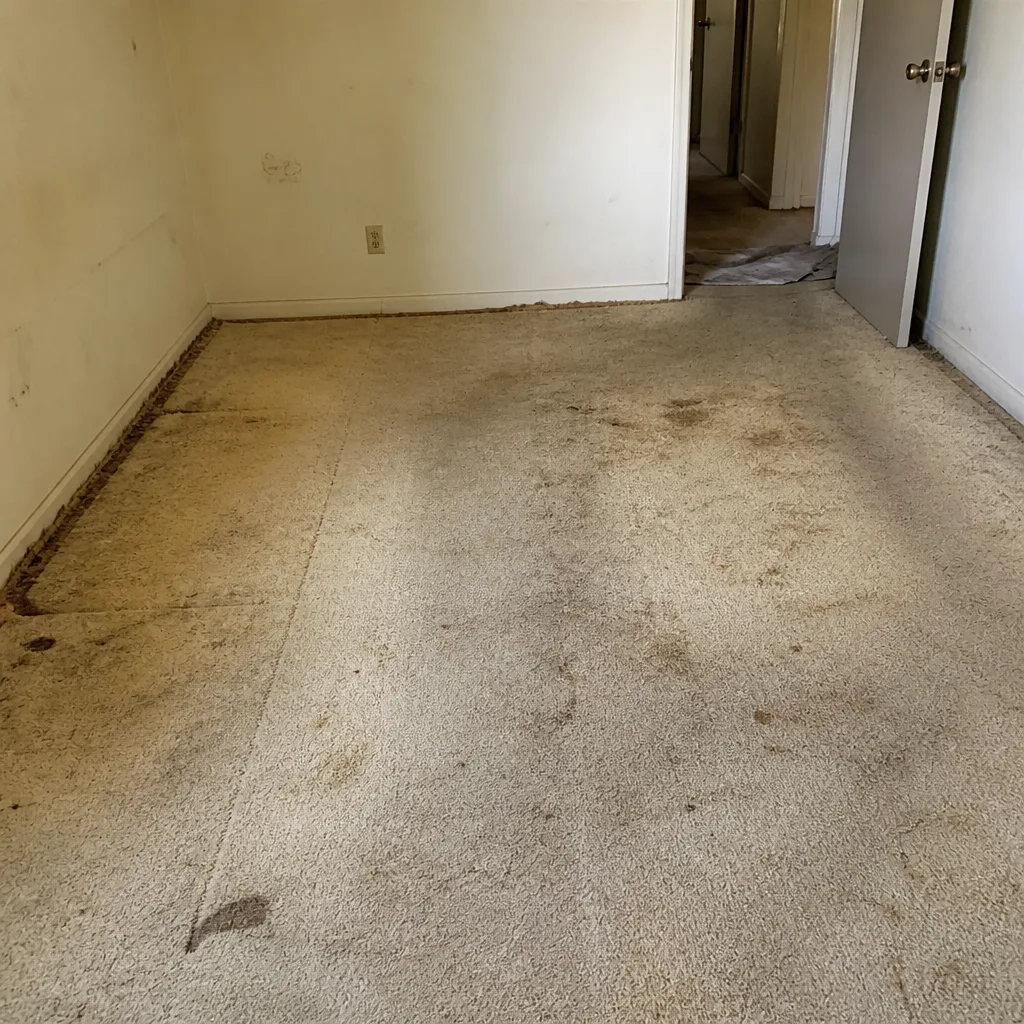 Before
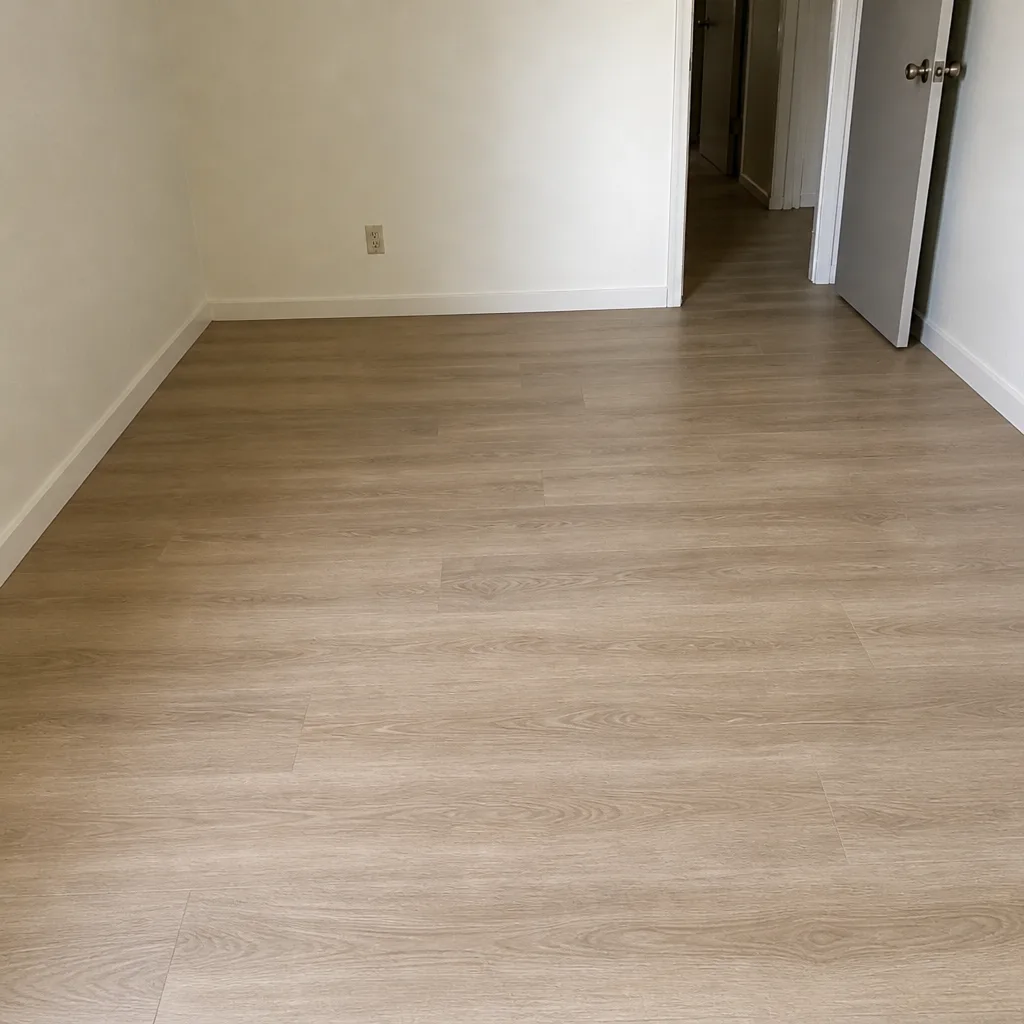 After
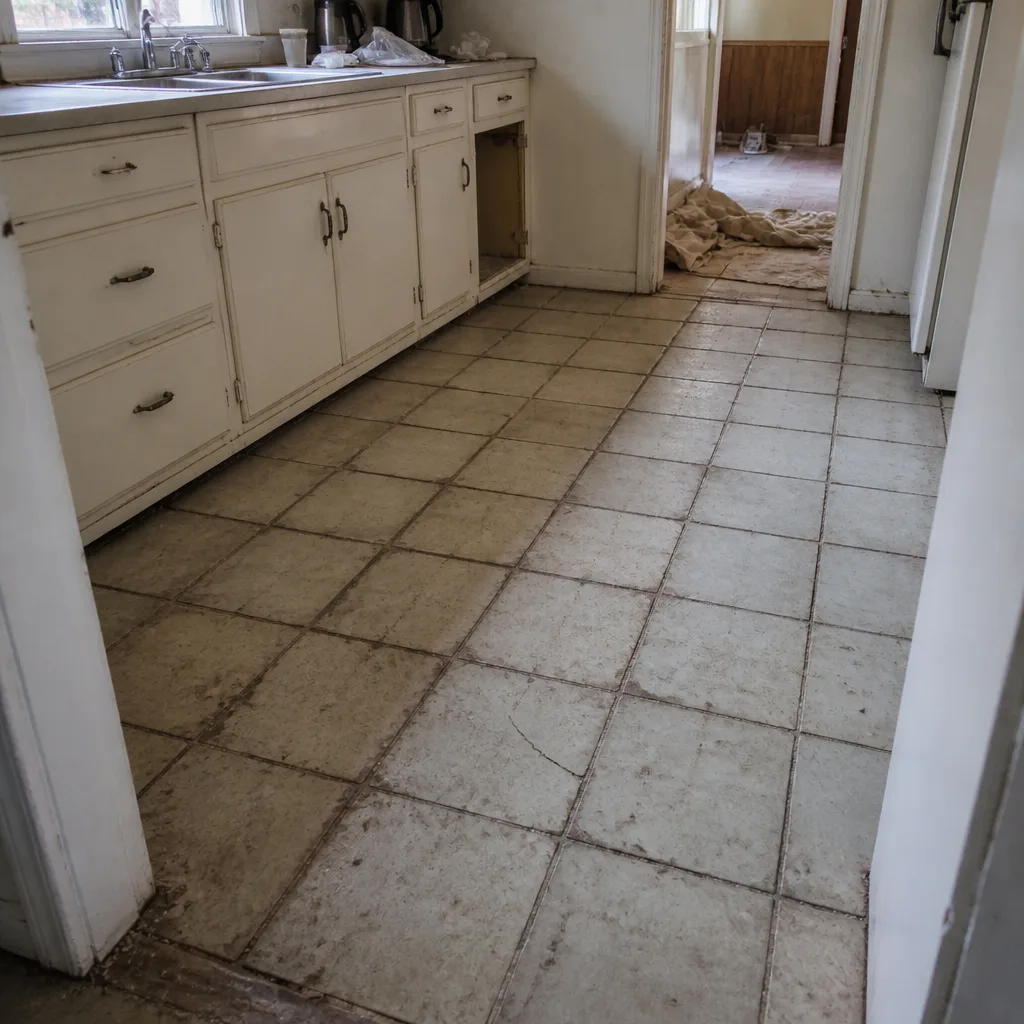 Before
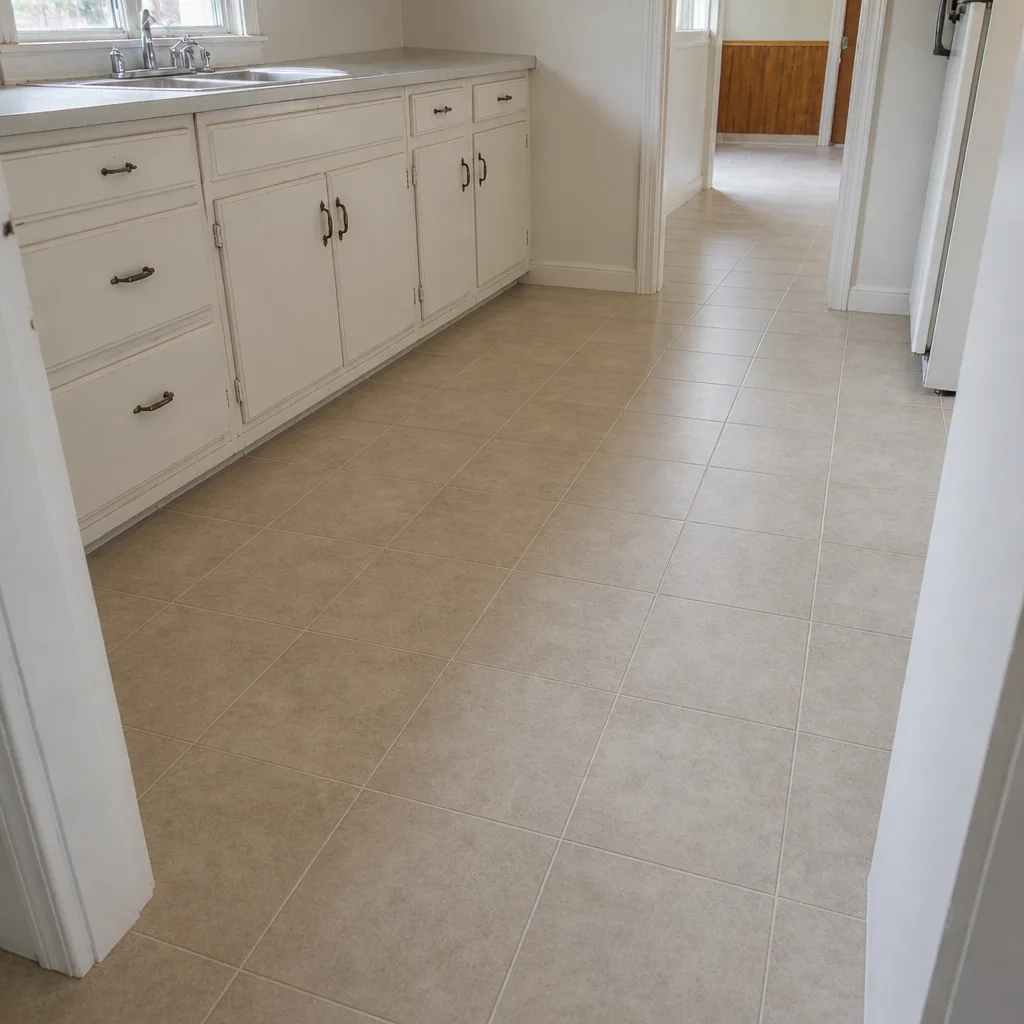 After
When to Call a Professional
Call a professional before you sign anything, not after a problem shows up. Any project involving subfloor prep, transitions, or a whole-home multi-surface install is worth a professional conversation up front. Hardwood refinishing in particular requires understanding the wood’s thickness and condition before anyone promises a result. If a bid looks vague, a scope item is missing, or the product line isn’t named, that’s a signal to bring in a specialist who can read the contract with you. Floors Enterprise offers free estimates in Enterprise – call (844) 320-5894. We answer 24/7. Fast dispatch from 7am to 7pm, Sunday through Friday. An estimate visit is where the questions get real answers, and it costs nothing to ask.
Frequently Asked Questions
Ask about the written scope (demo, haul-away, subfloor prep, transitions), who physically installs the floor, the exact product line and grade, who backs the installation warranty and what void it, and what triggers a change order. Get every answer in writing. Those five categories cover most of what can go wrong. Call (844) 320-5894 for an exact quote – estimates are free.
Yes, a free estimate from a flooring specialist is exactly that – no charge and no obligation. The estimate visit is where we check your subfloor, talk through product options from the brands we carry, and put together a written scope and price. The written estimate sets the final price per job. Call (844) 320-5894 to schedule yours.
Cost depends on the product line, the square footage, and the condition of your subfloor, so the written estimate is the number that counts. We don’t quote a figure before we’ve seen the room and named the product, because a number without those details isn’t worth much. Call (844) 320-5894 for an exact quote – estimates are free.
The schedule is set at the estimate, once we know the product, the square footage, and the condition of the subfloor. Material ordering, prep, and acclimation are dependencies that come before install day, so we build the schedule around them rather than guessing a number up front. Call (844) 320-5894 to schedule your free estimate and get a realistic timeline.
Common triggers include moisture damage, movement in the subfloor, damage from furniture or pets, and improper cleaning, though the exact list is set by the product you buy and the installer’s own warranty terms. Read both documents before you sign. A flooring specialist can walk you through the details before you commit. Call (844) 320-5894 for an exact quote.
We install and service the floor you choose, and we work with a portfolio of nine brands: Shaw, Mohawk, COREtec, Pergo, LifeProof, Mannington, Armstrong, Daltile, and Karndean. If the product you saw is one of those lines, ask us to verify the exact line and grade when you request your estimate. Call (844) 320-5894 to get started.
The Bottom Line
The contract you sign sets the price, the scope, and the warranty – so the questions you ask before signing are the questions that decide the outcome of your project. Get the scope in writing, line by line. Know who’s on the crew and who backs the installation warranty. Name the exact product line and grade. Understand what triggers a change order and what it costs. And put the final walkthrough in the contract. The Floors Enterprise approach is to answer those questions at the estimate visit, before you commit, because a floor installed correctly the first time starts with a scope that has no surprises. Browse our Enterprise page for local project details, and call (844) 320-5894 for a free estimate. We answer 24/7. Fast dispatch from 7am to 7pm, Sunday through Friday. Our technicians have up to 9 years of experience, and we’ll bring that experience to your room, your subfloor, and your written quote.
Written by the team at Floors Enterprise.