
Last updated November 18, 2026
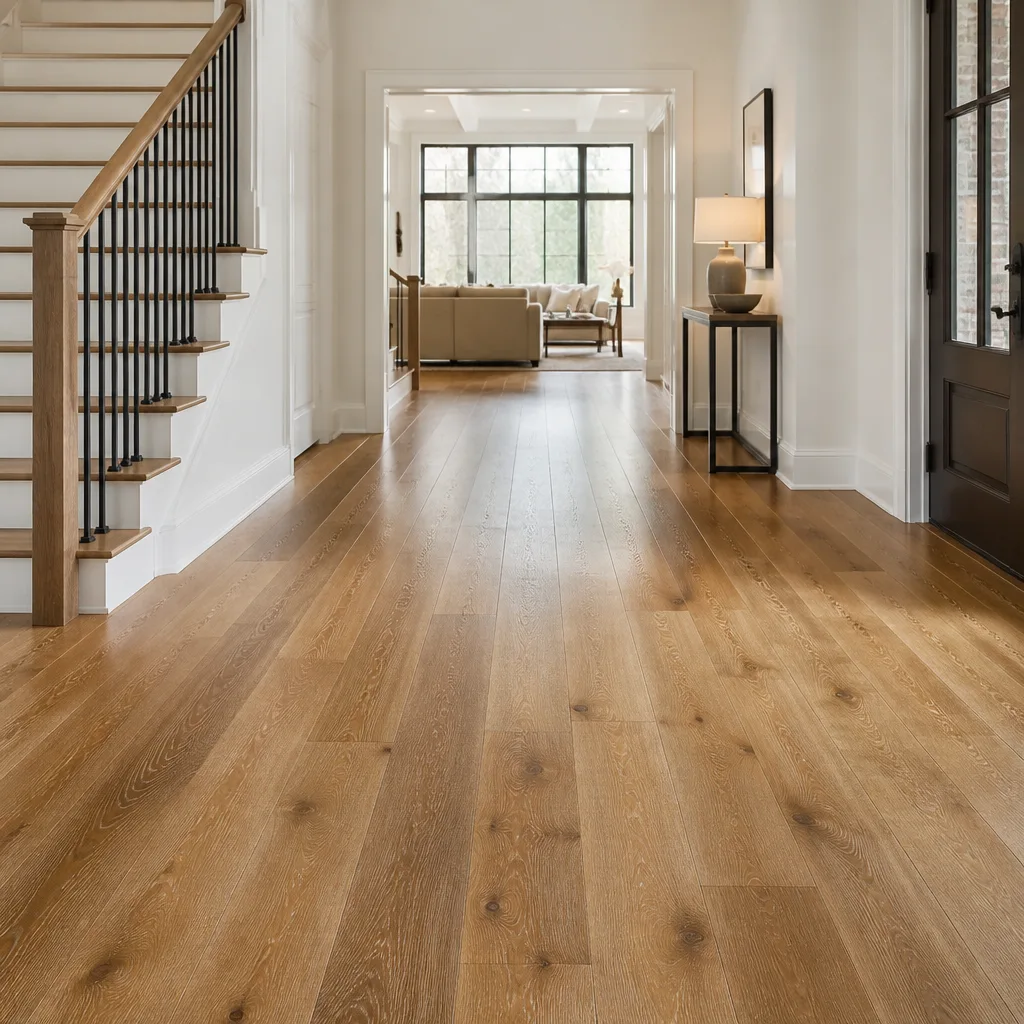 Hardwood
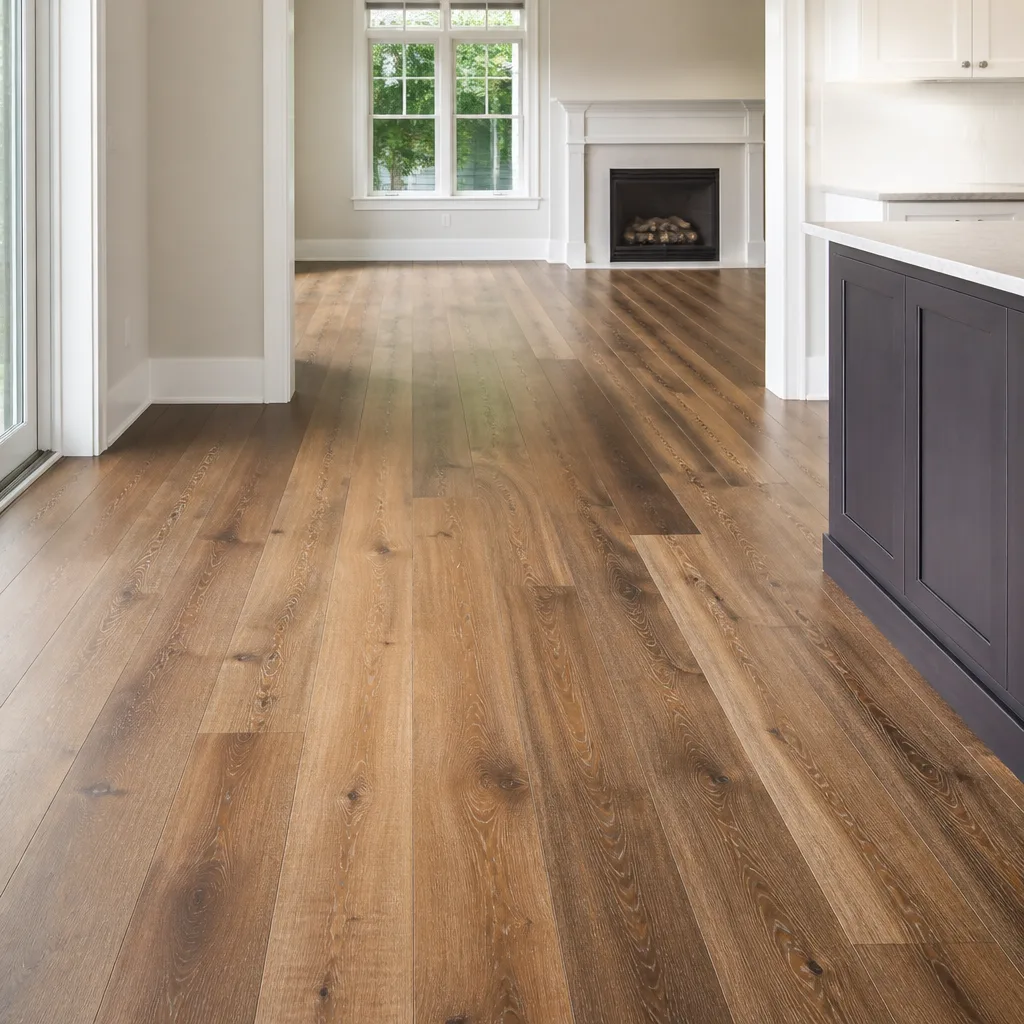 Engineered hardwood
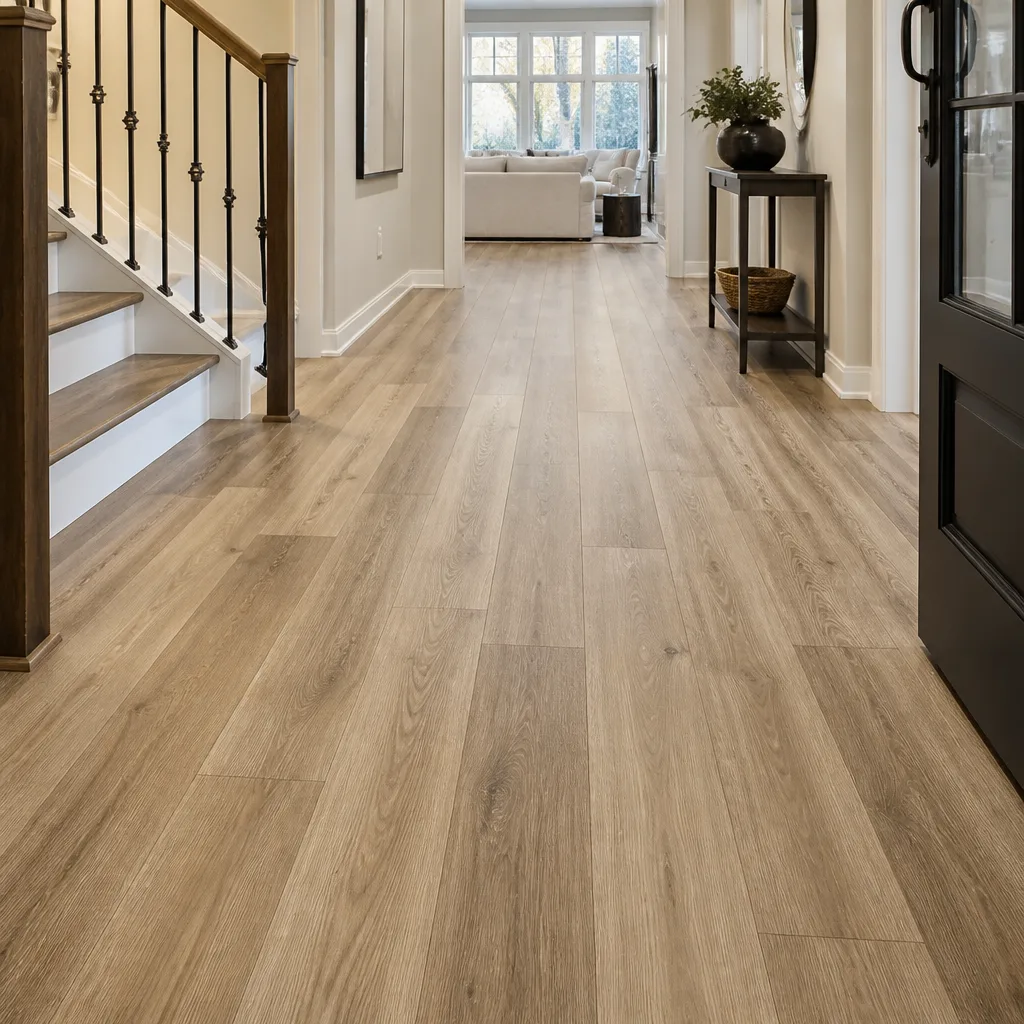 Luxury vinyl plank
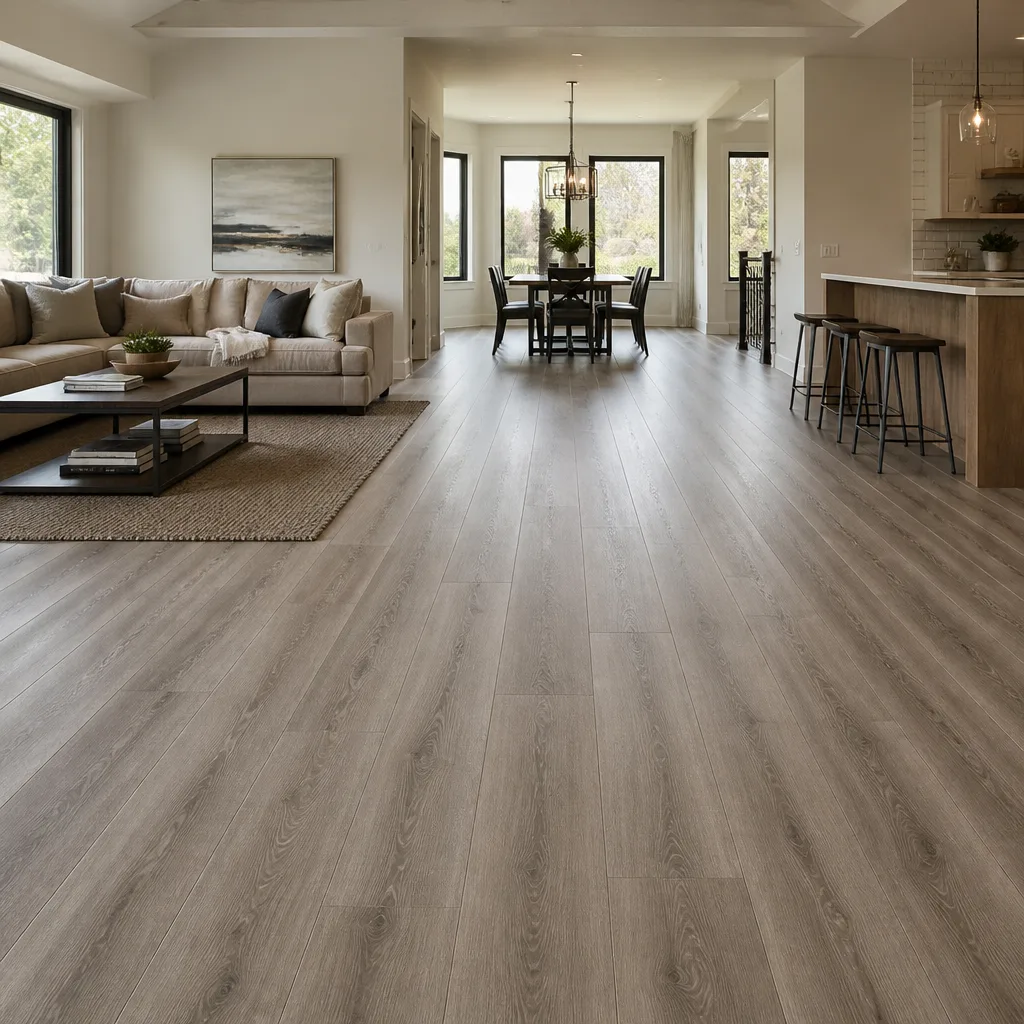 Laminate
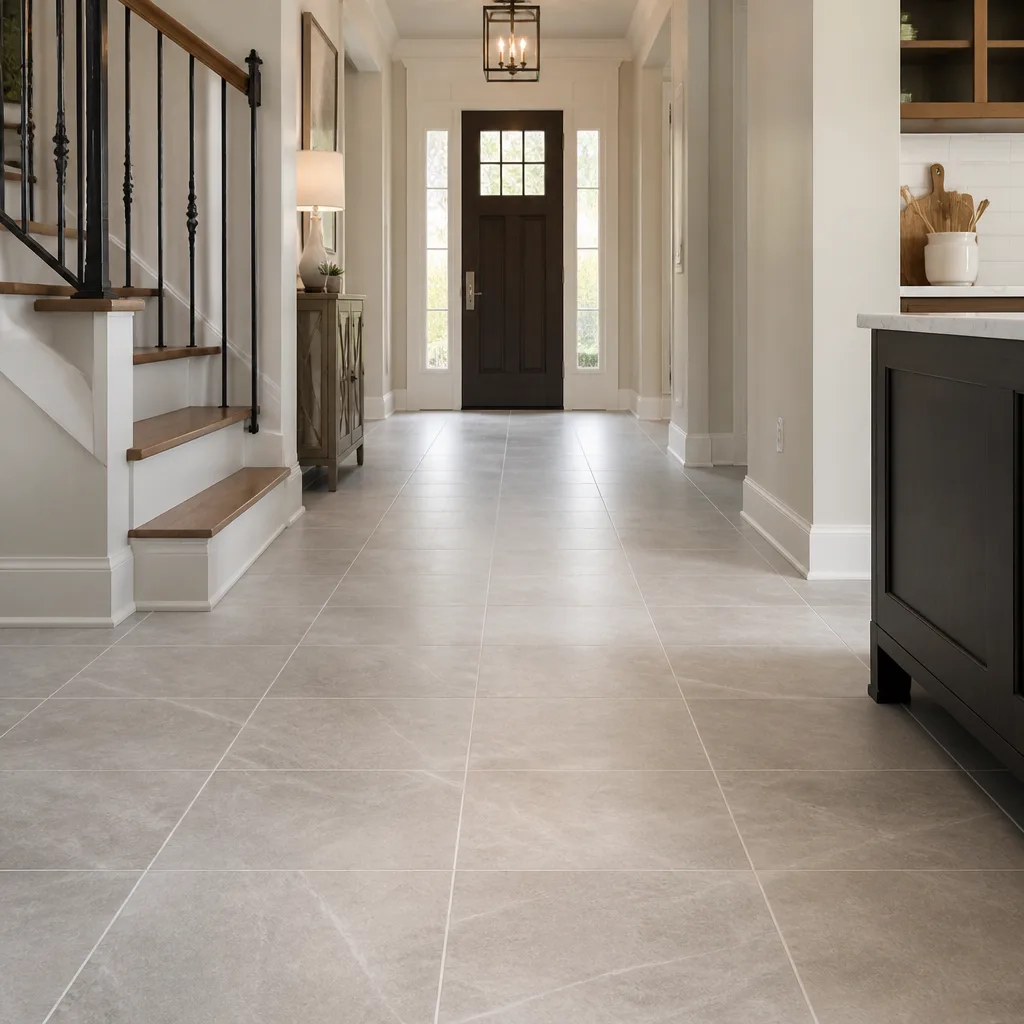 Porcelain tile
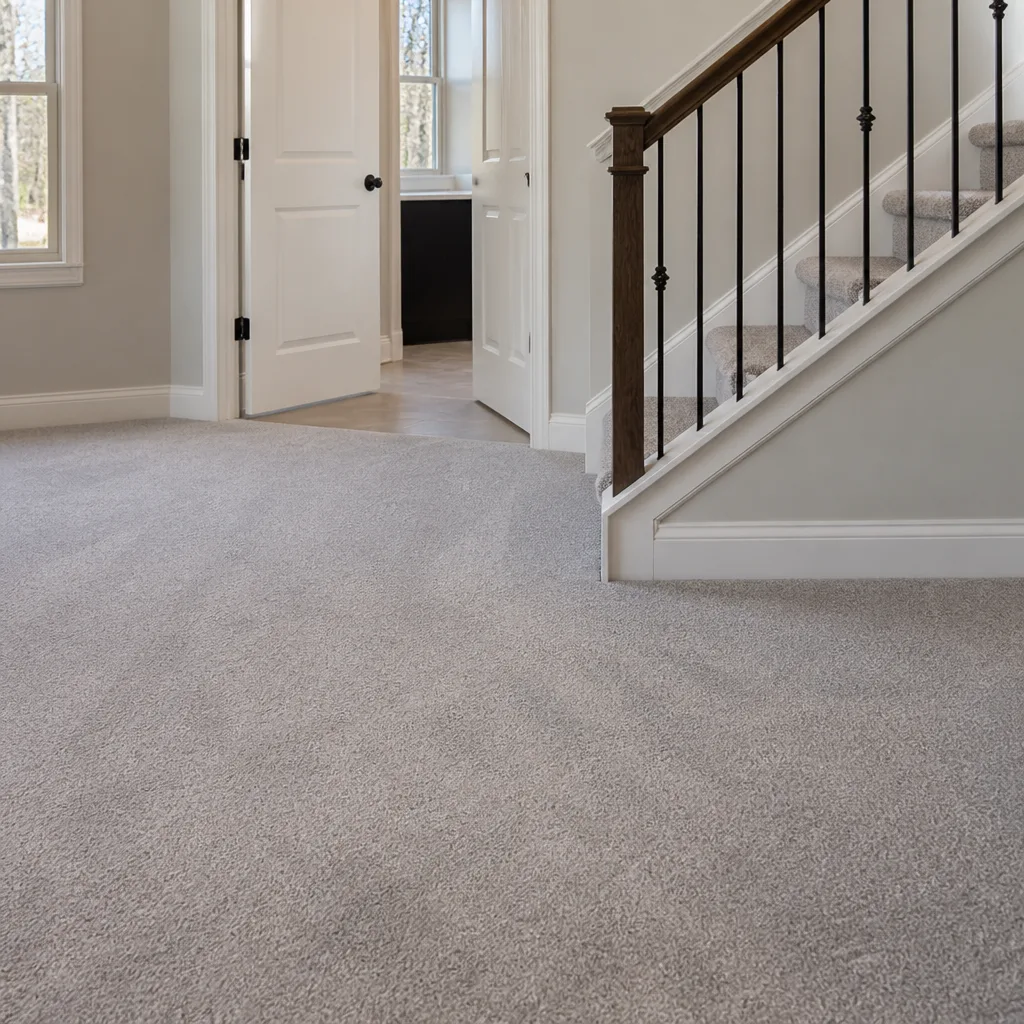 Carpet
 Shaw
 Mohawk
 COREtec
 Pergo
Free in-home measure and written estimate: Shaw, Mohawk, COREtec and Pergo lines compared on your own rooms, with carpet, tile, vinyl plank, laminate and hardwood laid out side by side
Get your free estimateFlooring Cost Breakdown: The Enterprise Homeowner’s Reference for 2026
Two contractors quote you $4,200 and $6,800 for the same room. Both quotes are real. The difference isn’t profit margin – it’s what each one actually includes, and most homeowners never figure that out until after the job is done. One bid may fold subfloor prep, underlayment, and haul-away into the labor line. The other may leave them out entirely and add them later as change orders. Same square footage, wildly different scope. This guide separates every line item – material, labor, prep, and removal – so you can compare quotes accurately and spot where corners are being cut. We’re Floors Enterprise, and this is how we walk Enterprise homeowners through a bid.
Quick Answer
Flooring installation in Enterprise typically runs $3 to $12 per square foot installed, depending on material, and the number on a quote is only meaningful once you know what’s inside it. Material cost is roughly 40-60% of a bid, labor 30-45%, and prep, underlayment, and haul-away make up the rest. The written estimate is what sets your final price – nothing else.
Styles & brands we work with
- Hardwood
- Engineered hardwood
- Luxury vinyl plank
- Laminate
- Porcelain tile
- Carpet
- Shaw
- Mohawk
- COREtec
- Pergo
Table of Contents
- Why Two Quotes for the Same Room Never Match
- The Four Line Items Every Flooring Bid Should Show
- What “Per Square Foot” Pricing Hides
- 2026 Material Pricing Across Carpet, Tile, and Hardwood
- The Cost of Skipping Subfloor Prep
- How to Read a Flooring Estimate Line by Line
- Refinishing vs. Replacing Hardwood: The Cost Difference
- How Scheduling and Season Affect Your Number
Why Two Quotes for the Same Room Never Match
A flooring quote looks like a single number, but it’s really a stack of decisions. Two installers can measure the same room, choose the same product, and still land thousands apart – because they made different calls on four hidden questions: how much prep the subfloor needs, whether old flooring gets removed, what underlayment goes down, and how much waste allowance they built in.
In our experience walking Enterprise homeowners through competing bids, the gap almost never comes down to labor rate. It comes down to scope. Here’s what’s driving the difference:
- Prep assumptions. One bidder assumes the subfloor is flat and clean. The other budgets for leveling, patching, or replacing a section of underlayment. Guess which quote is higher – and which one is closer to reality.
- Removal. Tearing out carpet, tile, or glued-down hardwood and hauling it to the dump costs money. A bid that silently skips demo will surface that cost later.
- Underlayment and transitions. Moisture barrier, padding, thresholds, and transition strips across doorways and between rooms are real line items. A quote missing them isn’t cheaper – it’s incomplete.
- Waste factor. Every install needs extra material for cuts and defects. A 5% allowance on a simple square room is fine; a diagonal layout in a complicated space needs more.
The honest takeaway: a bid isn’t cheap or expensive until you know what it excludes. In Enterprise, where summer heat pushes many homeowners to schedule installs when they’re replacing flooring before a sale or after years of wear, the smart move is to ask each bidder the same question – “what’s not in this number?”
For the installation side of the equation, our Floors Enterprise team handles carpet, tile, and hardwood refinishing as three distinct disciplines, which means we see these scope gaps constantly when a homeowner brings in a bid from somewhere else.
The Four Line Items Every Flooring Bid Should Show
Every flooring project breaks into four cost buckets. If a quote lumps them into one number, you can’t compare it to anything. Here they are, in the order they usually appear on a good estimate:
- Material. The flooring itself, priced per square foot plus a waste allowance. This is the line most homeowners fixate on – and the one where brand and tier matter most.
- Labor. The install cost per square foot. It varies by material: carpet goes down faster than a glued tile floor or a nail-down hardwood.
- Underlayment and prep. Padding, moisture barrier, leveling compound, patching. This is where quality separates itself from cheapness.
- Removal and haul-away. Tear-out of the old floor plus disposal. Skipping this line is the most common way a bid looks low and lands high.
As a rough rule, material runs 40-60% of a typical bid, labor 30-45%, and prep, underlayment, and removal make up the remainder. Those percentages shift with material – tile labor is a bigger share than carpet labor, for example – but the four buckets should always be visible.
When we build an estimate for an Enterprise home, we itemize all four even when a homeowner only asked about one room. It’s the only way you can tell a good bid from a cheap one.
What “Per Square Foot” Pricing Hides
A per-square-foot number is a starting point, not a price. It’s calculated for a clean, empty, rectangular room with a flat subfloor and no surprises. Most rooms in Enterprise homes are none of those things.
Here’s what a headline rate quietly leaves out:
- Room shape. An L-shaped room, a hallway, or a space with lots of angles means more cuts and more waste. A diagonal layout adds labor on top of that.
- Furniture. Moving furniture out of the way is time. Some installers include it, most don’t. Emptying the room yourself is a genuine way to hold down the labor line.
- Transition strips. Every doorway, every change of flooring, every step – each one needs a strip or a threshold, and each one is a small extra charge. In a whole-home job, these add up fast.
- Stairs. Stair work is priced per step, not per square foot, because it’s slow, careful work. It rarely shows up in a room-based estimate.
- Subfloor condition. The flat, clean assumption behind a per-square-foot rate is the first thing to check and often the first thing to fail.
None of this means per-square-foot pricing is dishonest. It means it’s a measuring stick, not a contract. When we quote a project in Enterprise, the per-square-foot rate is anchored by a real measure and a look at what the room actually requires – that’s why the written estimate, not the headline rate, sets the price.
2026 Material Pricing Across Carpet, Tile, and Hardwood
Material tier moves the number more than any other decision. The same room can swing by thousands depending on whether you choose an entry-level carpet or a designer tile. Here’s how the categories compare going into 2026 for an Enterprise project.
Carpet
Carpet sits at the value end. Entry-level carpet runs roughly $2 to $4 per square foot installed; mid-tier builder-grade carpet lands around $4 to $6; and premium carpet with upgraded padding climbs to $6 to $8 and up. Shaw and Mohawk both anchor the carpet side of our nine-brand lineup, and the jump between tiers is mostly about fiber quality and density.
Tile
Tile is the biggest range in the category. Entry-level ceramic runs around $5 to $9 per square foot installed; mid-tier porcelain with a standard layout lands $9 to $14; and large-format or intricate designs run $14 to $20 and higher, partly because large tiles demand a flatter subfloor and more careful layout. Daltile gives design-forward homeowners access to the upper tier without leaving the mid-market behind.
Hardwood
Hardwood material pricing varies most of all, driven by species, grade, and board width. Installation runs roughly $6 to $12 per square foot and beyond depending on the plank and the room. But hardwood has a second lever most products don’t: refinishing. That’s covered below.
We also work in the water-resistant and pet-resistant categories that matter to a lot of Enterprise families – COREtec and LifeProof – where the material sits mid-market but the installation quality is what determines how it holds up over time. For a fuller picture of the carpet side, see our carpet installation page.
The Cost of Skipping Subfloor Prep
The cheapest bid often becomes the most expensive job – not because the installer was dishonest, but because prep got skipped. A subfloor that isn’t flat and clean will telegraph through a hard surface, trap moisture under a floor, and shorten the life of the finished material. Fixing it after the fact means pulling up what you just paid to install.
Proper prep in an Enterprise home means checking for a flat, sound, dry surface before a single board or tile goes down. Depending on the room, that can include:
- Grinding or patching high and low spots so the surface is flat.
- Replacing soft or damaged sections of subfloor.
- Adding a moisture barrier where the material calls for one.
- Confirming the floor meets the product’s installation requirements – which are set by the manufacturer’s instructions, not by us.
This is the line item that quietly separates a professional bid from a cheap one. It’s also where we spend real time on every Enterprise estimate: no installer can quote prep honestly without looking at the floor first. That’s why a free in-home measure happens before any price is written.
For tile in particular, prep is non-negotiable. See how we handle it on our tile flooring installation page.
How to Read a Flooring Estimate Line by Line
A good estimate tells you the story of your job. Read it top to bottom and you should be able to answer four questions: what’s the material, what’s the labor, what’s being prepped or removed, and what’s excluded. Here’s the routine we suggest to any Enterprise homeowner comparing bids:
- Circle the material line. Confirm the exact product and tier. A quote that names a category but not a product is a quote you can’t compare.
- Confirm the square footage. Does it match a real measure, with a stated waste allowance? If the footage looks small, ask why.
- Find the prep line. If there isn’t one, ask what happens if the subfloor isn’t perfect. The answer tells you a lot.
- Find removal and haul-away. Missing it means you’re doing it or paying for it later.
- Check transitions and stairs. Doorway strips, thresholds, and steps should be listed if your home has them.
- Read the exclusions. Anything the estimate says it doesn’t cover is a future cost. Understand it before you sign.
- Look for the schedule. A written estimate should set out the install day and what’s expected of you beforehand – empty the room, clear the closets, that sort of thing.
A missing line item isn’t a mystery. It’s a signal about how carefully the installer plans. When we sit down with an Enterprise homeowner, we want them to be able to read our estimate and every other one they’ve collected with the same eye.
Refinishing vs. Replacing Hardwood: The Cost Difference
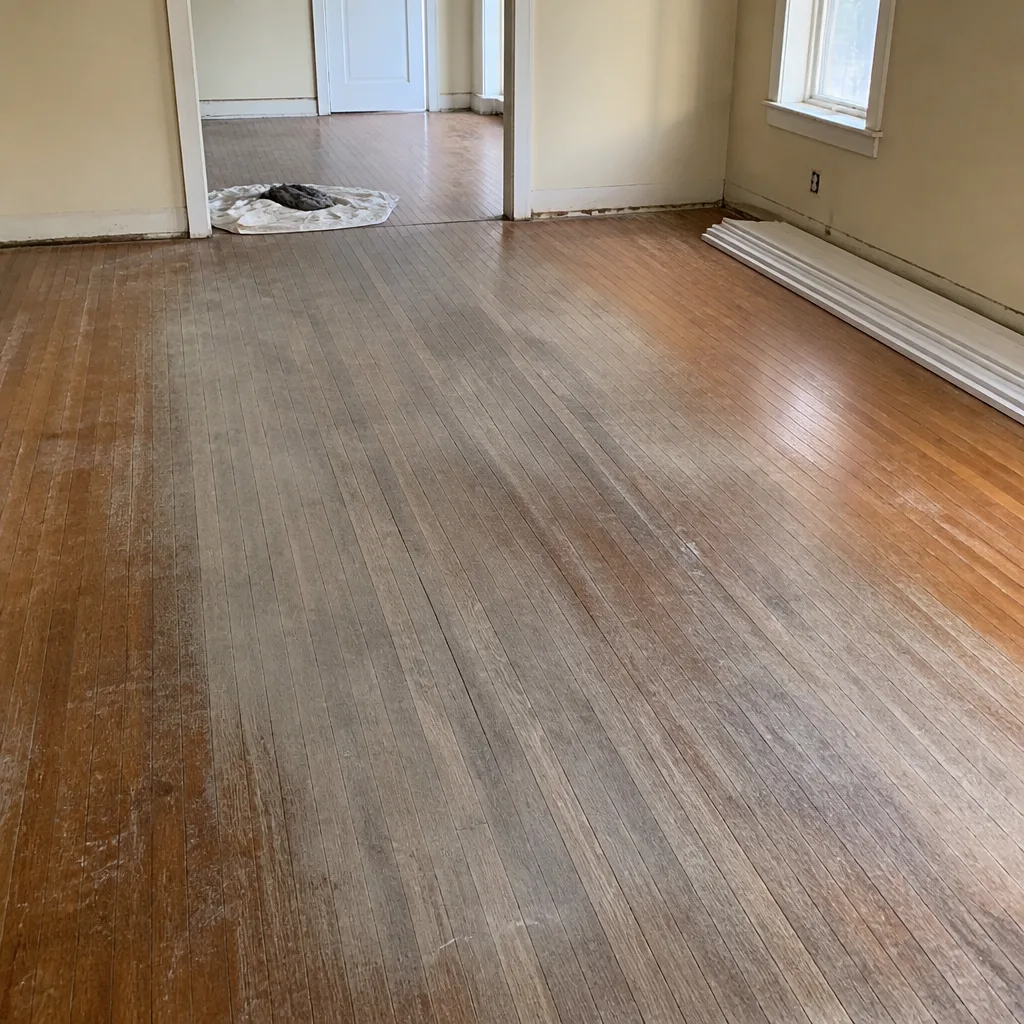
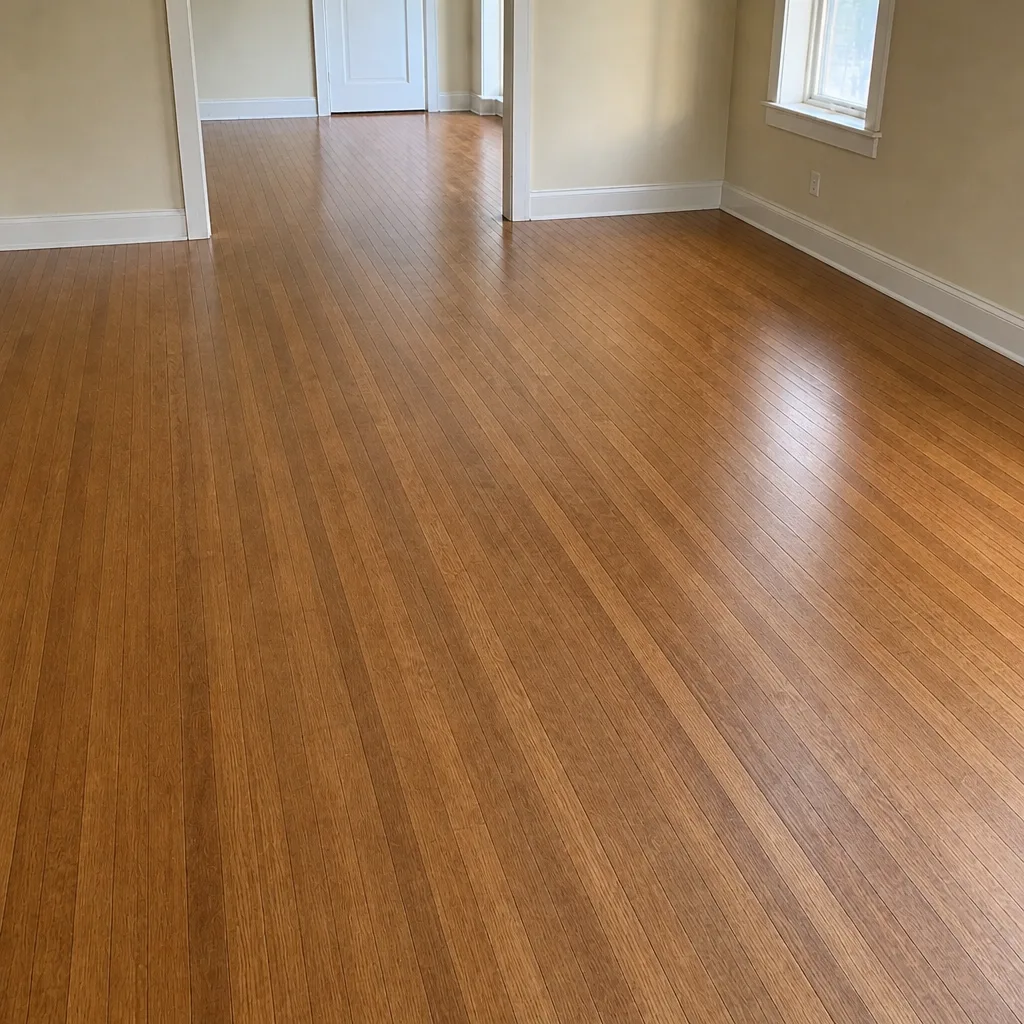
Restore before you replace. That’s the principle behind our dedicated hardwood refinishing service, and it’s the single biggest cost lever available to a homeowner with existing wood floors. Refinishing sands down the old finish and lays a new one, restoring the floor you already have instead of tearing it out and buying new.
Why it matters on the budget: refinishing avoids the material cost of new hardwood and the removal cost of the old floor entirely. You’re paying for craft – sanding, prepping, and finishing – rather than product. For a homeowner weighing a whole-home refresh in Enterprise, that can meaningfully change what the number looks like.
One honest caveat: not every floor can be refinished. Whether a floor has enough thickness left in the wood, and whether a particular stain will match a sample you’ve seen, depends on the wood’s condition and thickness. That’s checked at the estimate visit, not promised beforehand. Many flooring retailers don’t offer refinishing at all – they’d rather sell you a new floor – which is why we treat it as its own discipline.
If you’re weighing both paths, Enterprise homeowners can get a free in-home measure that looks at the existing floor and tells you straight whether refinishing is realistic.
How Scheduling and Season Affect Your Number
Price is set per job by the written estimate, so scheduling itself doesn’t change what you’re quoted. What scheduling affects is how the install goes – and that’s worth understanding before you pick a date.
Enterprise summers are hot and dry, which is the main seasonal fact that matters for a flooring install here. Wood and many hard-surface products need time to adjust to the home before going down, and the product instructions set that timeframe, not us. A well-planned job builds that adjustment period into the schedule and confirms the room’s conditions before the install day arrives.
The practical path for most homeowners:
- Book a free in-home measure. We measure the room and look at the subfloor.
- Get a written estimate. You see every line item and the total before committing.
- Choose your product and tier. This is where the budget really firms up.
- Book the install day. The schedule is set at the estimate, based on the material and the room.
No fixed arrival times, no promises about how many days a job takes – those depend on the product and the space. What you get from us is a real measure, a written price, and a booked install day. That’s the rhythm of a well-run job in Enterprise.
Common Mistakes to Avoid
- Comparing bids by the total only. A $4,200 bid and a $6,800 bid aren’t comparable until you’ve stripped them down to the four line items. Compare scope, not just the bottom number.
- Ignoring the prep line. If a bid has no line for subfloor prep, that cost is coming – either as a change order or as a callback. In a dry, hot climate like Enterprise’s, a flat, dry subfloor matters as much as the floor itself.
- Choosing material before checking the room. Picking a large-format tile for an uneven floor, or a flooring that needs a moisture control layer the room can’t support, means paying more for prep than the material saved.
- Skipping the free measure. A quote given over the phone is a guess. A written estimate after an in-home measure is a real number.
- Forgetting transitions and stairs. Doorway strips, thresholds, and stair work are real charges. A bid that omits them isn’t complete, and the final total will reflect it.
- Replacing hardwood that could be refinished. Before you price new wood, ask whether the existing floor has enough thickness to refinish. Restoring often costs materially less than replacing.
- Assuming the cheapest per-square-foot rate is the cheapest job. The rate covers material and labor only. The rest of the bid – prep, removal, underlayment – is where a cheap bid either hides its cost or reveals its quality.
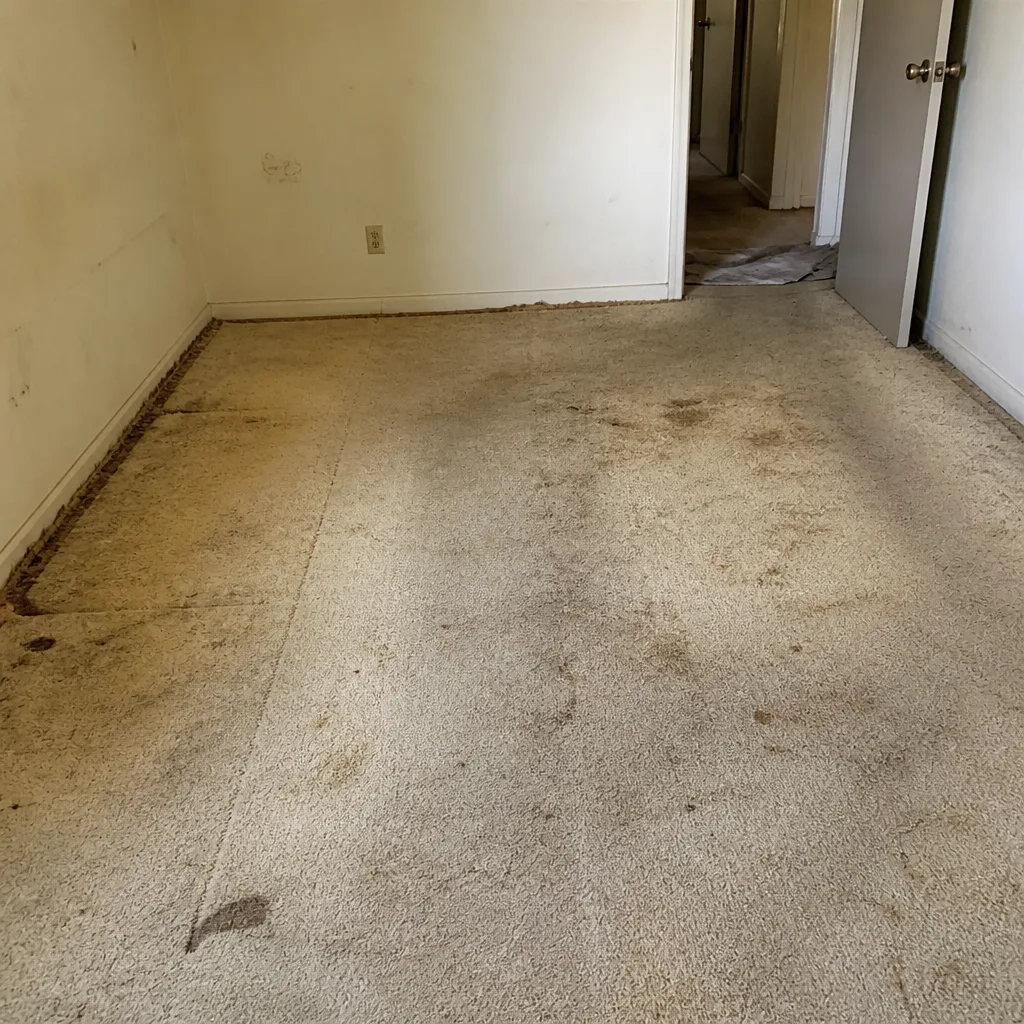
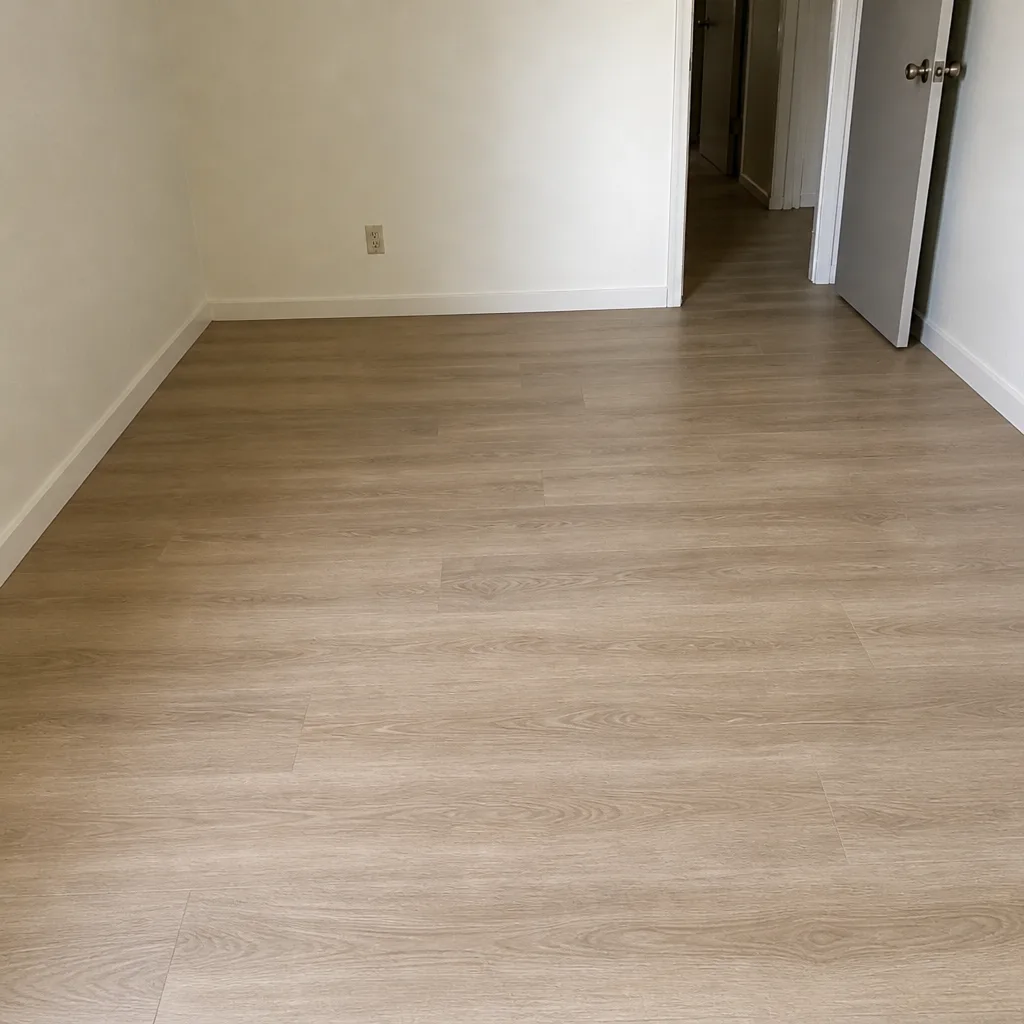
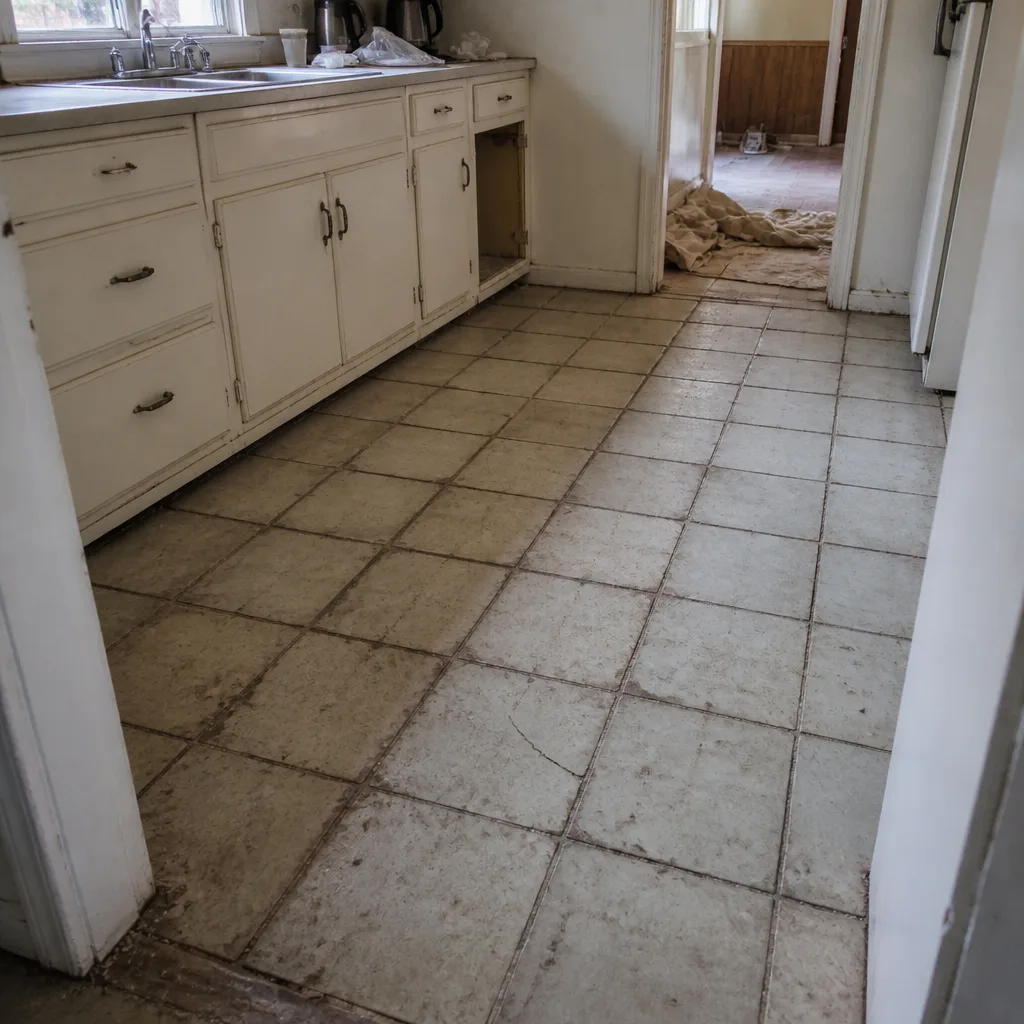
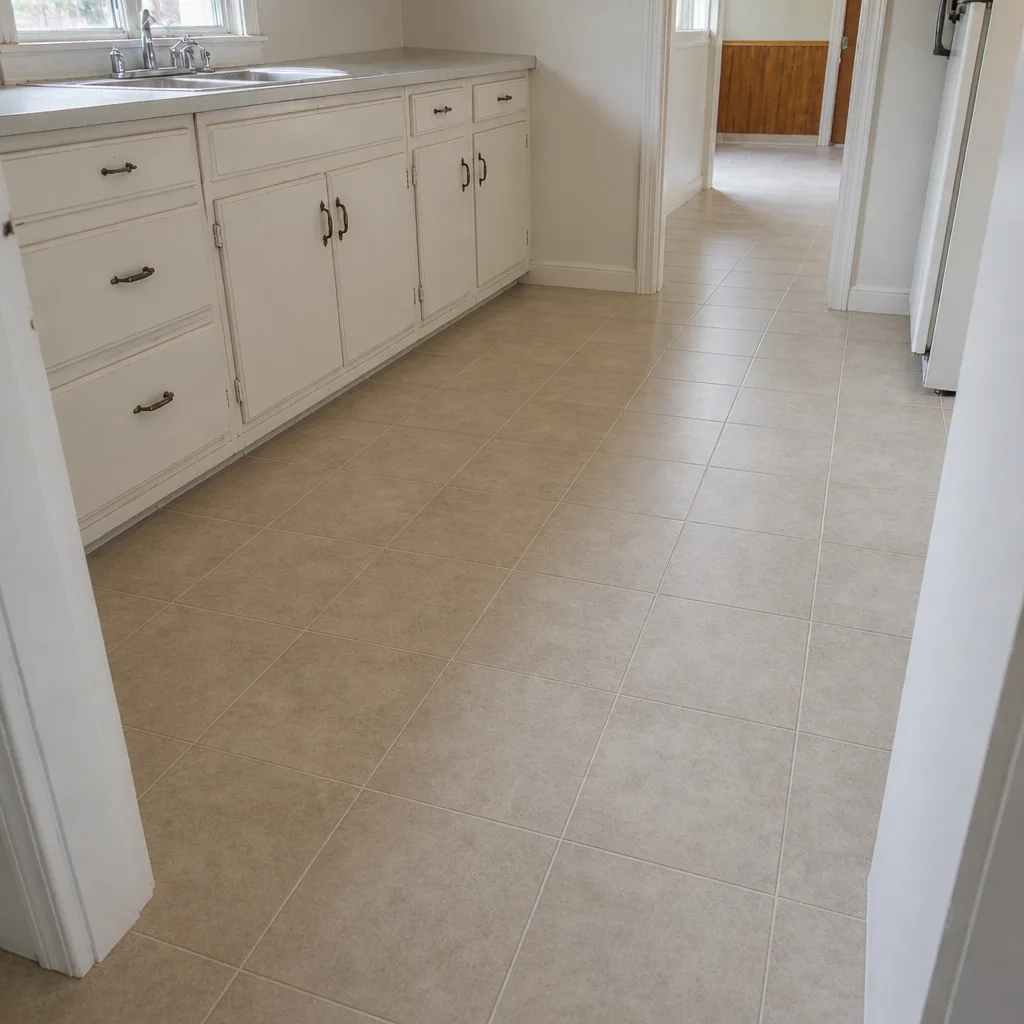
See the difference
 Before
 After
 Before
 After
 Before
 After
When to Call a Professional
Some flooring work is genuinely a pro’s job, and it’s worth saying so plainly. Call a professional when the subfloor is uneven, soft, or damaged; when you’re installing over a slab or a concrete surface where moisture needs checking; when the room involves stairs, tight angles, or a diagonal layout that will cost more in waste than the material saves; when you’re weighing refinishing a hardwood floor and can’t tell whether it has enough thickness left; or when you’re doing a whole-home project and want one specialist handling carpet, tile, and hardwood together rather than coordinating three separate contractors.
Floors Enterprise offers free estimates in Enterprise – call (844) 320-5894. We answer 24/7. Fast dispatch from 7am to 7pm, Sunday through Friday.
Frequently Asked Questions
Installed flooring in Enterprise typically runs around $3 to $12 per square foot, depending on material – carpet at the low end, tile and hardwood at the upper. The written estimate sets your final price, and estimates are free. Call (844) 320-5894 for an exact quote.
Because the two quotes include different scope, not different profit margins. One likely budgets for subfloor prep, removal, underlayment, and transitions; the other may leave one or more out and add them later. The fix is to itemize both bids into material, labor, prep, and removal before comparing. Call (844) 320-5894 to have us walk you through what a complete bid looks like – estimates are free.
Usually just material and labor for a clean, empty, rectangular room with a flat subfloor. It does not typically include furniture moving, stairs, transition strips, subfloor prep, or removal and haul-away. Ask what’s excluded before you compare rates. Call (844) 320-5894 for a written estimate that lists every line.
Usually yes – refinishing avoids both the material cost of new wood and the cost of tearing out the old floor, because you’re paying for craft rather than product. Whether your floor can be refinished depends on the wood’s thickness and condition, which we check at the estimate visit. Call (844) 320-5894 to schedule a free measure.
The schedule depends on the material and the room, and it’s set at the estimate – we don’t promise a fixed number of days before we’ve seen the space. What we do promise is a free in-home measure, a written price, and a booked install day. Call (844) 320-5894 to get started.
Yes. The in-home measure and the written estimate cost nothing. We look at the room, check the subfloor, and put a real number in writing – no charge for the visit and no obligation afterward. Call (844) 320-5894 for your free estimate.
The Bottom Line
A flooring bid is only as useful as what’s inside it. The number on the page is a stack of four decisions – material, labor, prep, and removal – plus the transitions, stairs, and waste allowance that make up the real total. The gap between a $4,200 quote and a $6,800 quote is a gap in scope, and the four line items are how you see it. Get a real measure, confirm the prep line exists, ask what’s excluded, and let the written estimate set the price. If your existing hardwood has life left in it, ask about refinishing before you price something new. That’s how an Enterprise homeowner compares quotes accurately – and how they avoid the callback that the cheapest bid quietly set up.
Nine brands, one specialist, and a written estimate that shows its work. From carpet to tile to hardwood – covered. Call (844) 320-5894 for a free estimate. We answer 24/7. Fast dispatch from 7am to 7pm, Sunday through Friday.
Written by the team at Floors Enterprise.