
Last updated November 18, 2026
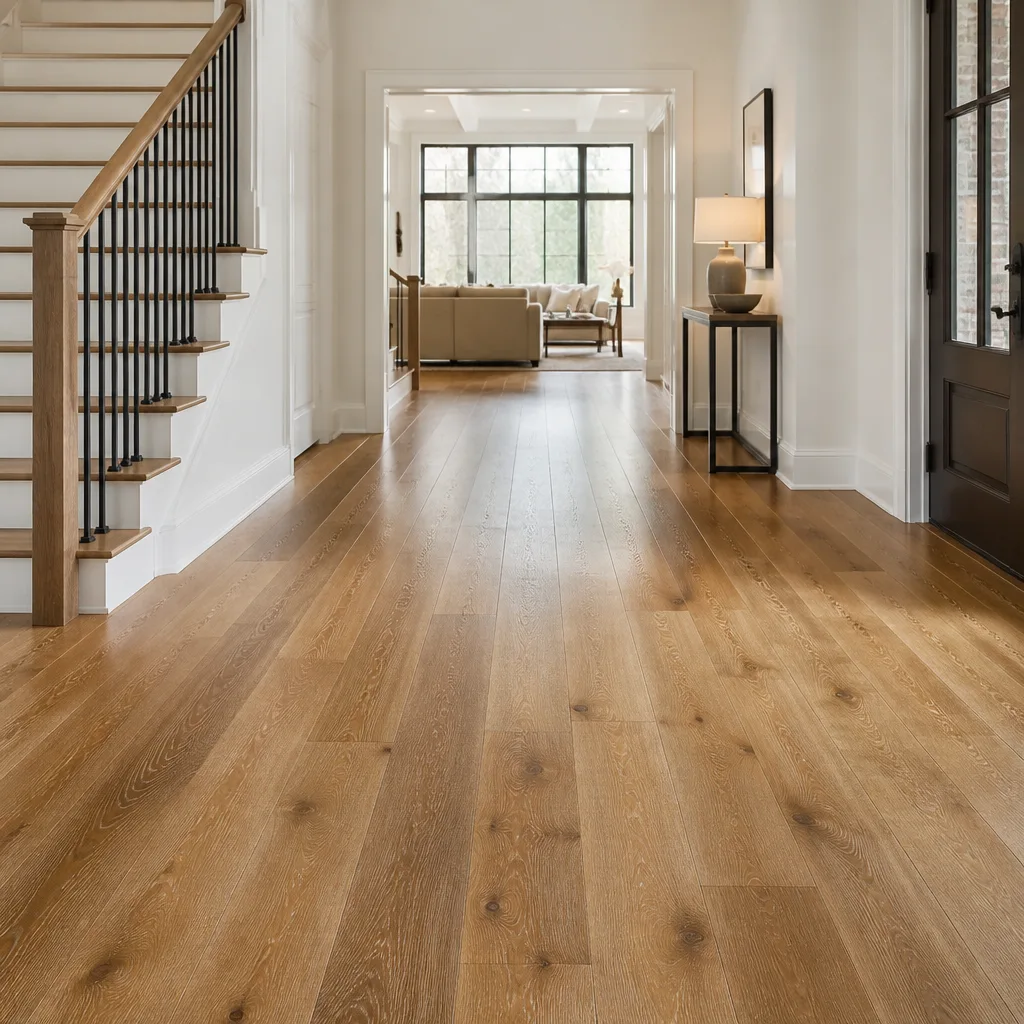 Hardwood
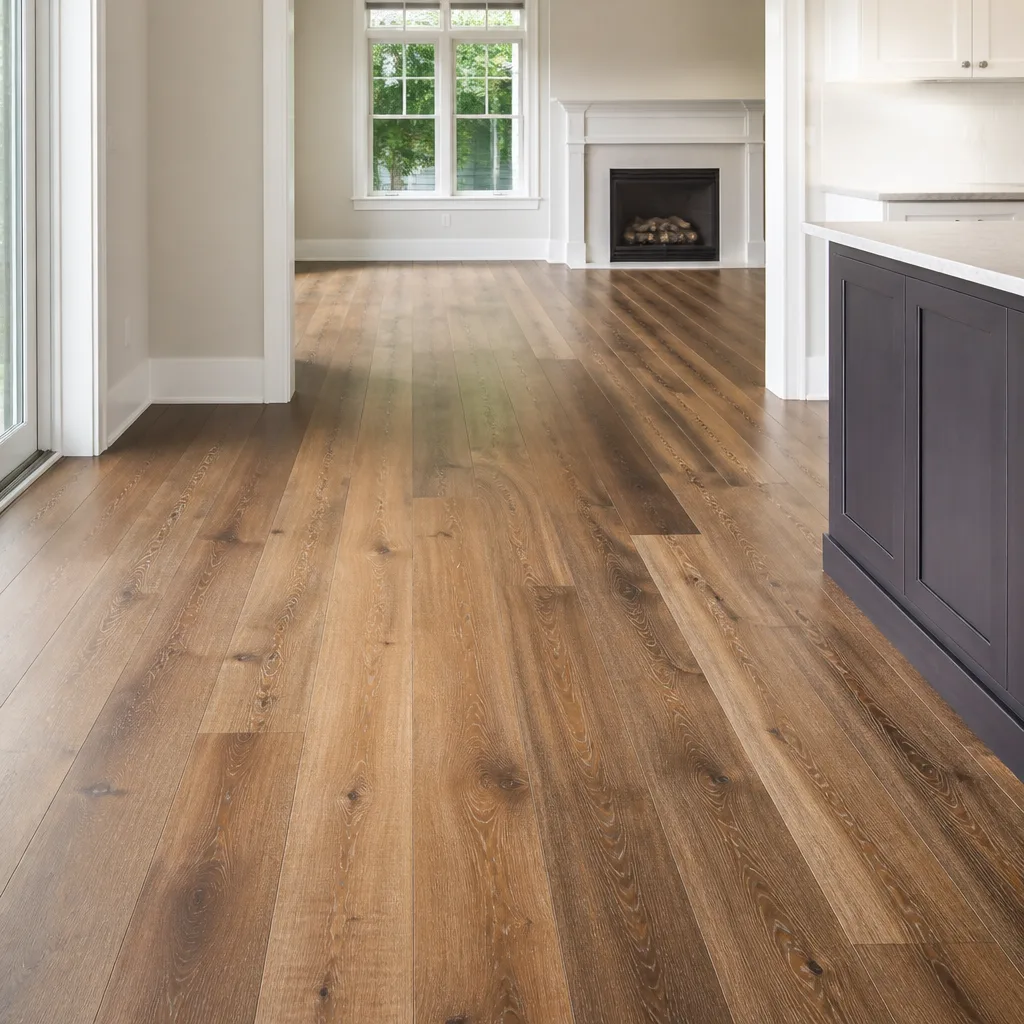 Engineered hardwood
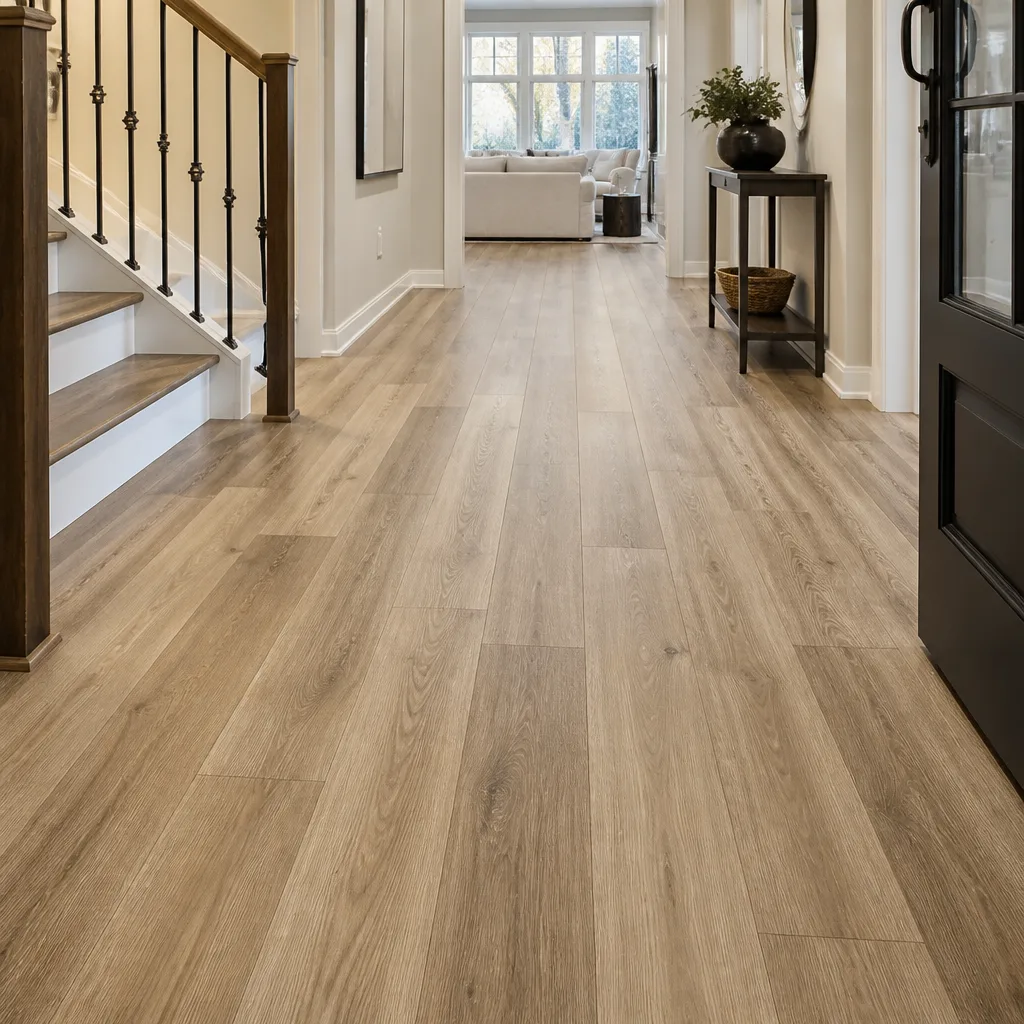 Luxury vinyl plank
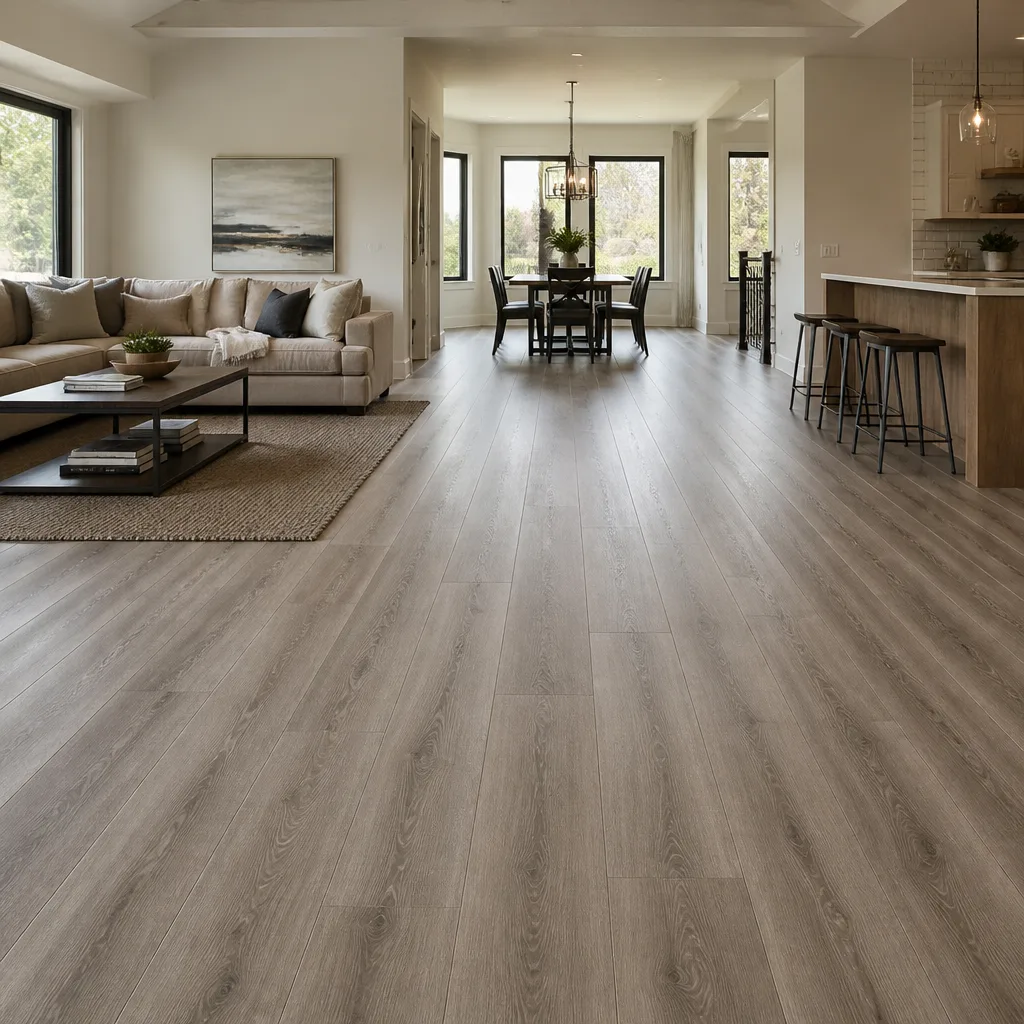 Laminate
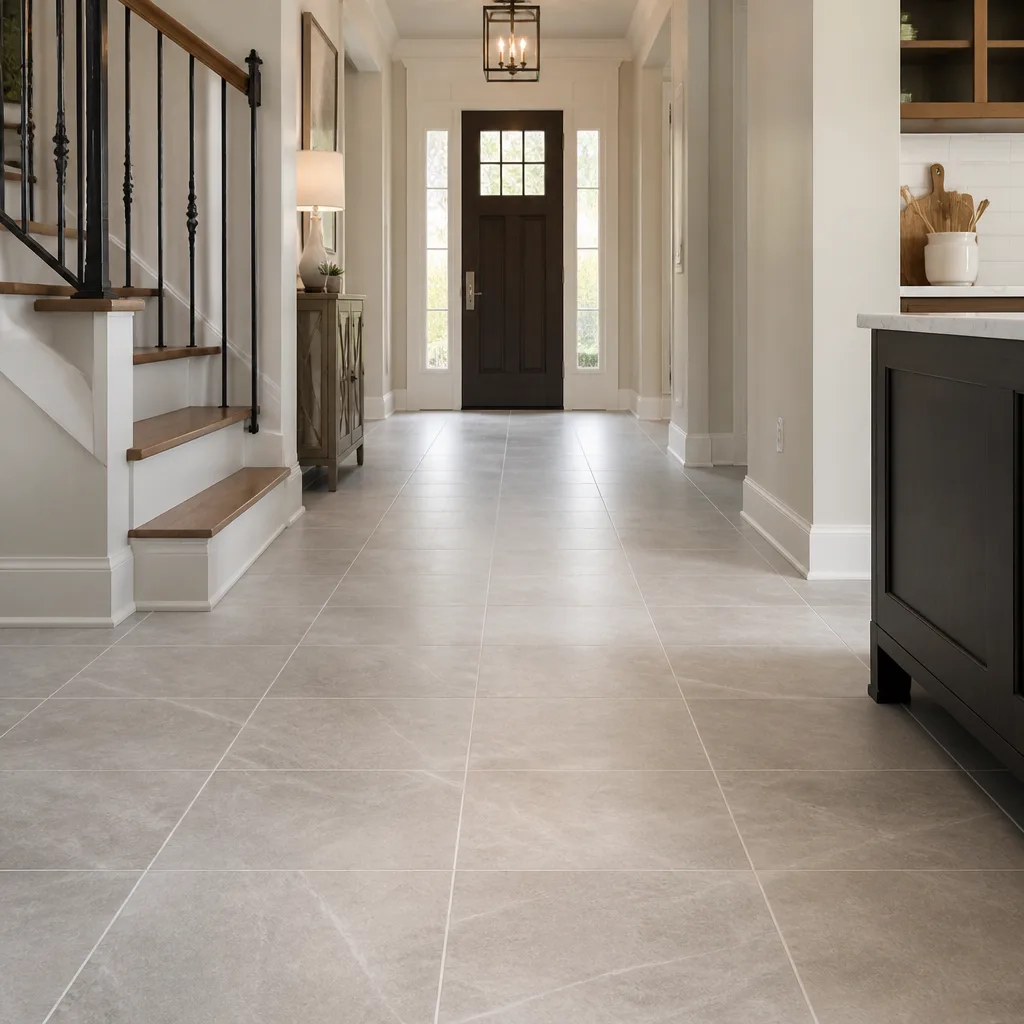 Porcelain tile
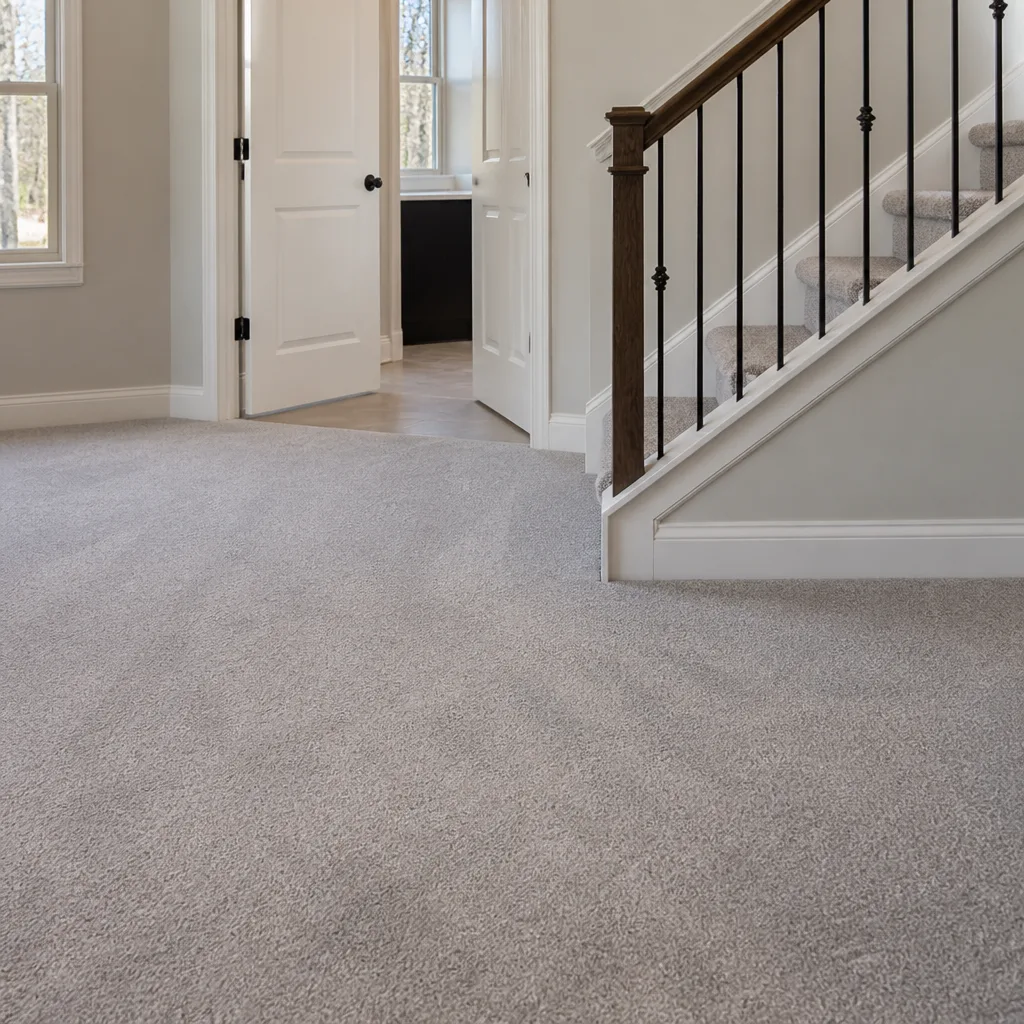 Carpet
 Shaw
 Mohawk
 COREtec
 Pergo
Free in-home measure and written estimate: Shaw, Mohawk, COREtec and Pergo lines compared on your own rooms, with carpet, tile, vinyl plank, laminate and hardwood laid out side by side
Get your free estimateHow to Care for New Flooring: Hardwood, Vinyl, Laminate, Tile and Carpet
Steam mops are sold as a floor-safe cleaning tool, and the box never mentions what they do to a wood floor. Heat and moisture push into seams and finish layers, and the swelling or clouding that follows is what many homeowners later call a product defect. It usually isn’t the product. It’s the routine. Flooring care fails when a single habit gets applied to every material in the house, because hardwood, luxury vinyl, laminate, tile and carpet respond to moisture, abrasives and heat in completely different ways. This guide walks through what each material actually tolerates, how Enterprise’s dry desert air changes the rules, and how to know when a floor can be restored instead of replaced. One note before we start: Floors Enterprise installs and refinishes floors but isn’t a cleaning-products vendor, so read this as trade guidance from people who see the results of care routines every week.
Quick Answer
Care for new flooring by matching your cleaning method and products to the specific material: damp (not wet) mopping for hardwood, a pH-neutral cleaner and no steam for luxury vinyl and laminate, water and a neutral stone-safe cleaner for tile, and dry vacuuming with spot treatment for carpet. Keep indoor humidity stable, put felt pads under furniture legs, and never use a steam mop on wood, laminate or engineered products. If you can’t remember whether a cleaner is safe, don’t use it until you’ve checked the product instructions for that exact floor.
Styles & brands we work with
- Hardwood
- Engineered hardwood
- Luxury vinyl plank
- Laminate
- Porcelain tile
- Carpet
- Shaw
- Mohawk
- COREtec
- Pergo
Table of Contents
- Why “Floor Cleaner” on a Label Doesn’t Mean It’s Right for Your Floor
- How Enterprise’s Low-Humidity Air Affects Wood and Laminate
- Material-by-Material Care: What Actually Works
- Scratch and Dent Reality: What Wear Layers Really Mean
- Furniture Protection: Felt Pads, Rug Pads and Caster Damage
- Refinishing vs. Replacement: Reading the Signs
- A Simple Care Schedule by Room
- Common Mistakes to Avoid
Why “Floor Cleaner” on a Label Doesn’t Mean It’s Right for Your Floor
A bottle labeled “floor cleaner” tells you almost nothing about whether it belongs on your floor. Cleaning chemistry is specific, and the same product that leaves luxury vinyl spotless can cloud a laminate wear layer or dull a hardwood finish over repeated use. The word “floor” describes where the bottle goes, not what’s inside it.
Here’s the core problem. Many general-purpose cleaners are built around surfactants and often a small amount of solvent or a pH adjuster, and those ingredients behave differently depending on the surface underneath. On a resilient vinyl floor with a factory finish, a mild neutral cleaner lifts soil and rinses clean. Put the same product on laminate and the residue can build inside the textured grain, leaving a haze that looks like wear but is actually cleaning film. On hardwood, an alkaline cleaner can attack the finish itself, and an oil-based “wood polish” can leave a slick layer that traps grit and slowly dulls the sheen.
Three practical rules cover most of it:
- Match the cleaner to the material, not the room. A kitchen with tile and a kitchen with LVP are not the same cleaning job even though they look similar.
- Dilute as directed. Stronger isn’t better. Concentrated cleaner left on a floor is a residue problem waiting to happen.
- Follow the product instructions for your specific floor. If you can’t find them, the manufacturer’s care guidance for that product line is the next best source.
In our experience, most “defect” calls we get about dull or hazy floors turn out to be cleaning residue rather than a manufacturing problem. We work with homeowners across Enterprise on installs and refinishing, and the conversation about what to clean with starts before the last plank goes down. If you’re starting from scratch with a whole-home project, our team at Floors Enterprise can talk through which materials fit how you actually clean and live.
How Enterprise’s Low-Humidity Air Affects Wood and Laminate
Enterprise sits in a high desert valley, and that changes how wood and laminate age. The air here swings between very dry and moderately dry, with low ambient humidity most of the year and dramatic day-to-night temperature swings. A floor installed in a dry climate lives a different life than one in a humid region, and the failure modes are different too.
Wood is hygroscopic. It absorbs and releases moisture from the air around it, which means it shrinks in dry air and swells in humid air. In Enterprise, the dominant risk is shrinkage. As indoor humidity drops, wood planks can lose moisture and shrink slightly, and those small movements show up as visible gaps at the seams. Wide-plank floors show it more than narrow planks because there’s more wood movement across each board. Laminate can show similar behavior at the seams even though it’s a synthetic product, because the core is still moisture-responsive.
Managing this comes down to keeping indoor humidity in an indoor range that suits wood. A hygrometer is cheap, and it takes the guesswork out. In practice:
- Measure indoor humidity with a hygrometer in the room with the most wood, and check it through a full week so you see the range, not one snapshot.
- Add humidity when the air drops very dry. A room humidifier or a whole-house system helps, and any target range should follow the product instructions for your specific floor, since different products are built to tolerate different conditions.
- Let new flooring settle before judging gaps. Seasonal shrinkage and expansion are normal within limits. Persistent wide gaps are what to flag.
- Don’t overcorrect. Pushing humidity too high in a dry climate creates the opposite problem, and wood that swells can crown and buckle.
If you’re moving into a new home or renovating in Enterprise, this is one of the reasons we talk about humidity before installation rather than after. The right floor for how you actually live includes the floor that fits your home’s indoor air, and that’s part of the conversation during a free estimate.
Material-by-Material Care: What Actually Works
Every material below has a version of “safe cleaning” that’s genuinely universal: dry soil removal first, then the gentlest method that works. What differs is everything after that. Here’s the material-by-material rundown.
Hardwood Care
Start with a dry microfiber dust mop or a vacuum with a hard-floor setting to remove grit before anything wet touches the surface. For routine cleaning, a damp mop with a cleaner made for finished wood is the standard, and “damp” means the surface looks dry within a minute. Never let standing water sit, and never use a steam mop. Steam is the single fastest way to drive moisture into a wood floor’s seams, and the swelling that follows is not a defect. Ask about the specific product your floor was finished with before choosing a cleaner.
Luxury Vinyl (LVP) Care
Luxury vinyl is the most forgiving of the group. Sweep or vacuum, then damp mop with a pH-neutral cleaner. Avoid abrasive pads and harsh solvents, and skip steam. COREtec and LifeProof are the LVP lines we install most often for families and pet owners, and both hold up to routine cleaning well. One caveat: water-resistant isn’t the same as waterproof in the sense that matters at the edges. Standing water and moisture from below still have to be dealt with, so wipe up spills and don’t let a wet rug sit on the floor.
Laminate Care
Laminate likes a nearly dry routine. Vacuum or dust mop, then use a slightly damp mop with a cleaner made for laminate, and dry the floor afterward if any moisture remains. Stay away from steam and from anything that leaves an oily film, since laminate’s textured surface holds onto residue. Any moisture limits and cleaning guidance should come from the product instructions for your specific laminate rather than a generic rule.
Tile Care
Tile is the easiest surface to clean and the least forgiving when water gets underneath. Sweep and damp mop with a neutral cleaner, and use a grout-appropriate cleaner for grout lines. The important part is what happens at the grout: it’s porous, and standing water that sits can work its way into seams over time. Dry the floor after mopping, and wipe up spills promptly rather than letting them sit at grout lines. For professional-grade tile work, our tile flooring installation team installs Daltile, and the same care principles apply regardless of the tile you choose.
Carpet Care
Vacuum often, and vacuum the right way – slow passes with overlapping strokes remove far more soil than fast passes. Treat spots immediately by blotting from the outside in, and always test any spot treatment on a hidden area first. Our carpet installation work with Mohawk and Shaw reflects how much carpet care comes down to good habits rather than products.
Scratch and Dent Reality: What Wear Layers Really Mean
“Scratch-resistant” is a marketing phrase, not a material guarantee. The metrics that actually describe how a floor resists wear are standardized test ratings, and understanding them tells you what to expect from everyday use far better than the label does.
On laminate, you’ll most often see an abrasion class rating (the AC scale) applied to the wear layer. Higher ratings reflect a tougher surface against abrasion, but none of them mean scratch-proof. Grit, sand, pet claws, and furniture without protection will still mark the surface, just as they will on any floor. On luxury vinyl, the wear layer is a vinyl film over the printed design, and its thickness and formulation set how well it resists daily scuffs and stains. Water-resistant or pet-resistant design is real, and it helps, but it doesn’t mean scratch-proof or stain-proof.
What everyday use does per tier:
- Entry-level laminate and LVP: most vulnerable to grit tracked in from outside and to dulling from film buildup. Grit is the biggest enemy, so a good doormat matters.
- Mid and upper-tier laminate, and premium LVP: tougher surface, still not immune to sharp objects, heavy furniture without pads, or dropped tools.
- Hardwood: no wear layer at all. The finish is the protection, and its condition determines how much abuse the wood takes before it needs refinishing.
- Tile: the most scratch-resistant of the group in normal use, though grout is vulnerable to staining and strong cleaners.
In our experience, the “defect” calls about scratches almost always trace back to grit, unprotected furniture, or pets. None of that is a product failure, and all of it is preventable with the right habits. Ask your installer about material-appropriate protection as part of the install conversation, not after the first scratch shows up.
Furniture Protection: Felt Pads, Rug Pads and Caster Damage
This is the section most homeowners skip, and it’s also where most avoidable floor damage starts. Furniture doesn’t scratch floors through malice. It scratches them because hard points concentrate weight onto one spot as furniture slides, gets pushed, or shifts.
- Felt pads on every leg that touches the floor. Use felt pads wide enough to spread the load – undersized pads concentrate pressure and can fail under heavy pieces. Check pads monthly on furniture that gets moved often.
- Rug pads compatible with the floor below. Rubber-backed or adhesive-backed pads can interact badly with certain floor finishes over time, and on LVP the wrong pad can leave marks or trap moisture. Choose a pad designed for your specific floor material, and lift and check rugs periodically.
- Castors and wheels need the right surface. Rolling chairs and caster-mounted furniture concentrate force and can mark hardwood finishes and dimple resilient surfaces. A chair mat with the correct backing for your floor, matched to the material, is the standard protection.
- Lift, don’t drag. For heavy furniture, lift and place rather than slide. On a finished hardwood floor, dragging is one of the fastest ways to scuff the finish.
None of this requires special tools, and all of it is easier to set up before the new floor is in use. During a free estimate, our team walks through how you use each room so furniture protection gets planned alongside the materials.
Refinishing vs. Replacement: Reading the Signs
Most floors get replaced when they could be restored. That’s the part of this guide we care most about, and it’s the part most flooring retailers skip. There’s a real line between a wood floor that’s tired and one that’s worn out, and it’s worth knowing which side you’re on before you price a replacement you may not need.
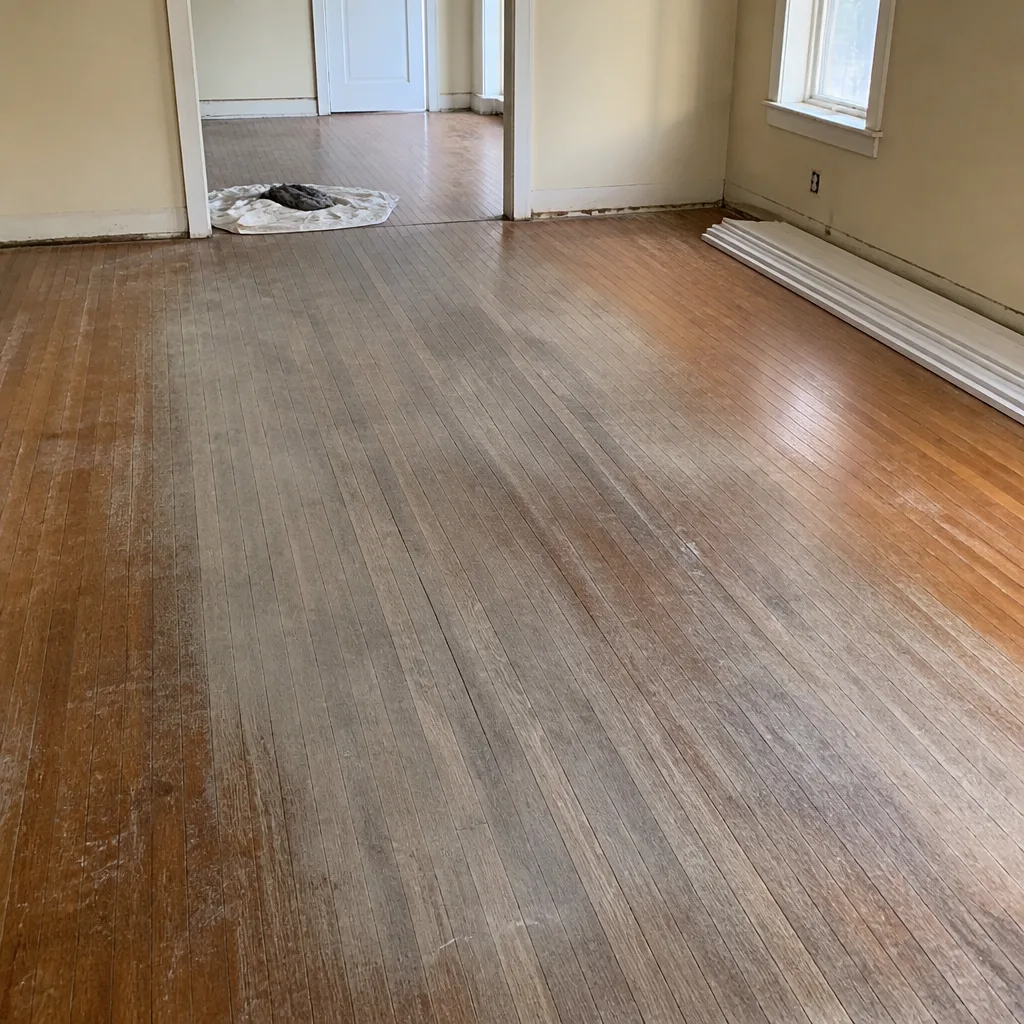
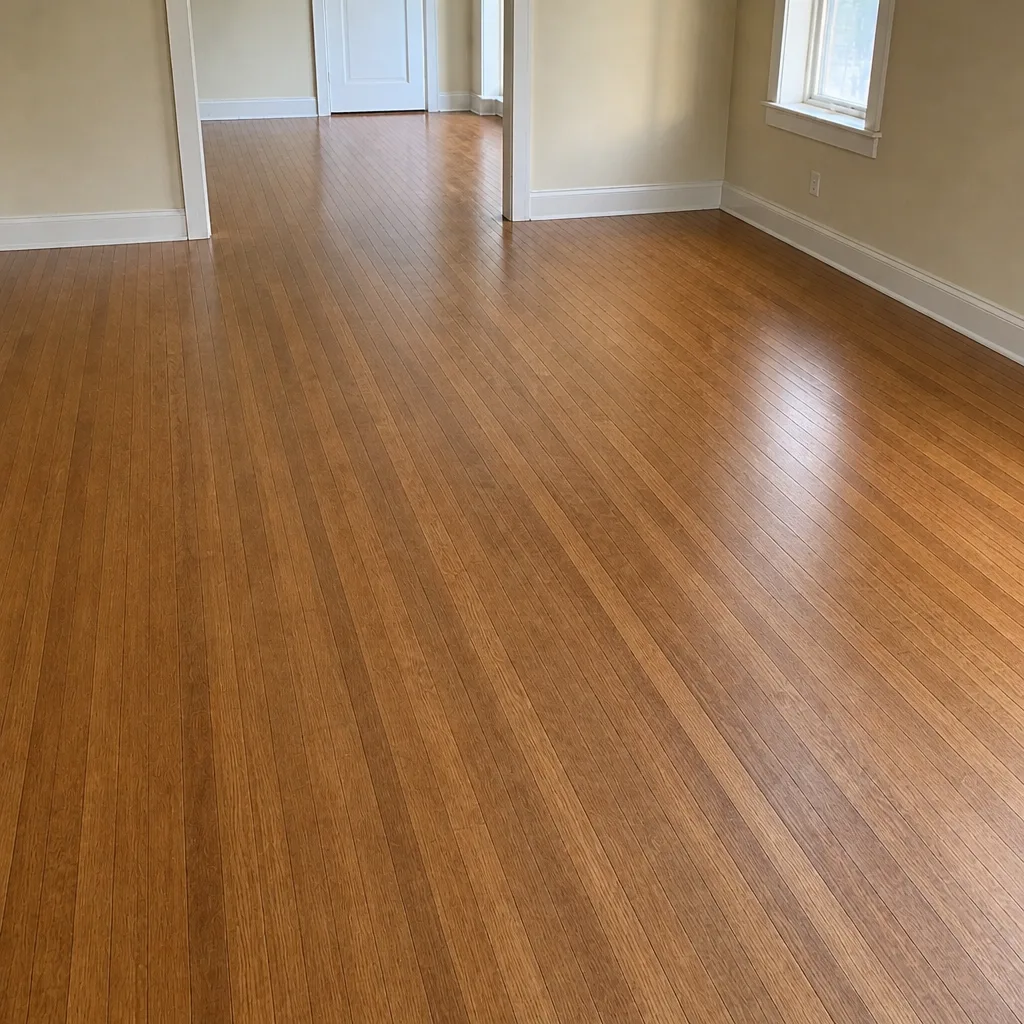
Hardwood refinishing removes the existing finish and a very thin layer of the wood surface, then applies a new finish. Whether your floor can be refinished depends on the thickness of the wood and its condition, which is checked in person at the estimate visit. Signs worth a professional look:
- Finish dulling, worn patches in traffic lanes, or fading where sunlight hits.
- Surface scratches and scuffs that don’t go deep into the wood.
- Old stain color that no longer fits the room.
Signs that suggest replacement instead:
- Deep gouges or damaged planks that can’t be repaired without replacing boards.
- Visible wear through the finish down to bare wood in multiple areas.
- A floor that’s already been refinished many times, where the remaining wood surface is at the point where another sanding isn’t wise. This gets checked at the visit, not assumed.
LVP and laminate don’t get refinished. Their wear layers are factory-applied, and when the surface is genuinely compromised the floor reaches end of life regardless of how good it still looks from across the room. Refinishing hardwood preserves a floor that’s worth keeping, and it’s often a cost-conscious and sustainable alternative to replacement. Call (844) 320-5894 to schedule a free estimate in Enterprise; we’ll tell you honestly which side of the line your floor is on.
A Simple Care Schedule by Room
A schedule beats a shelf full of cleaners. Here’s a routine that works across materials and keeps the chemistry simple.
Daily
- Dry dust mop or vacuum high-traffic paths, especially entries and kitchens.
- Wipe up spills as they happen, at grout lines and on resilient floors especially.
Weekly
- Damp mop hard surfaces with the correct cleaner for that material.
- Vacuum carpet with slow, overlapping passes.
- Check felt pads and rug pads on furniture and rugs in use.
Monthly and seasonal
- Check indoor humidity with a hygrometer, especially in fall and winter when indoor air gets very dry.
- Move furniture slightly and check for pad wear and trapped grit.
- Inspect finishes for dulling or scratches and note anything that needs a closer look.
Beyond that, the best habit is restraint: don’t introduce a new cleaner without checking it against your floor’s specific product instructions. That single rule prevents most of the haze, dulling and swelling problems we get asked about.
Common Mistakes to Avoid
- Using a steam mop on hardwood, laminate or engineered floors. Heat and moisture push into seams and finishes, and the swelling and clouding that follow look like defects but aren’t. Use a damp mop with a material-matched cleaner instead.
- Treating “floor cleaner” as universal. A cleaner that’s safe on LVP can cloud laminate or dull hardwood. Match the cleaner to the material and dilute as directed.
- Ignoring indoor humidity in Enterprise’s dry air. Wood and laminate shrink in very dry air, and the resulting gaps get blamed on the floor. Check humidity with a hygrometer and manage it within the range your product instructions call for.
- Skipping felt pads and rug pad checks. Grit plus unprotected furniture is the leading cause of finish damage. Felt pads on every contact point and a properly matched rug pad prevent most of it.
- Overwet mopping tile and letting water sit at grout lines. Grout is porous, and standing water works its way into seams over time. Damp mop and dry afterward.
- Replacing a hardwood floor that could be refinished. Have a professional check the thickness and condition of the wood before assuming the floor is done. There’s often refinished life left.
- Assuming “scratch-resistant” means scratch-proof. Wear-layer ratings describe abrasion resistance, not immunity to grit, claws or dropped objects. Protect the floor and expect normal wear.
See the difference
 Before
 After
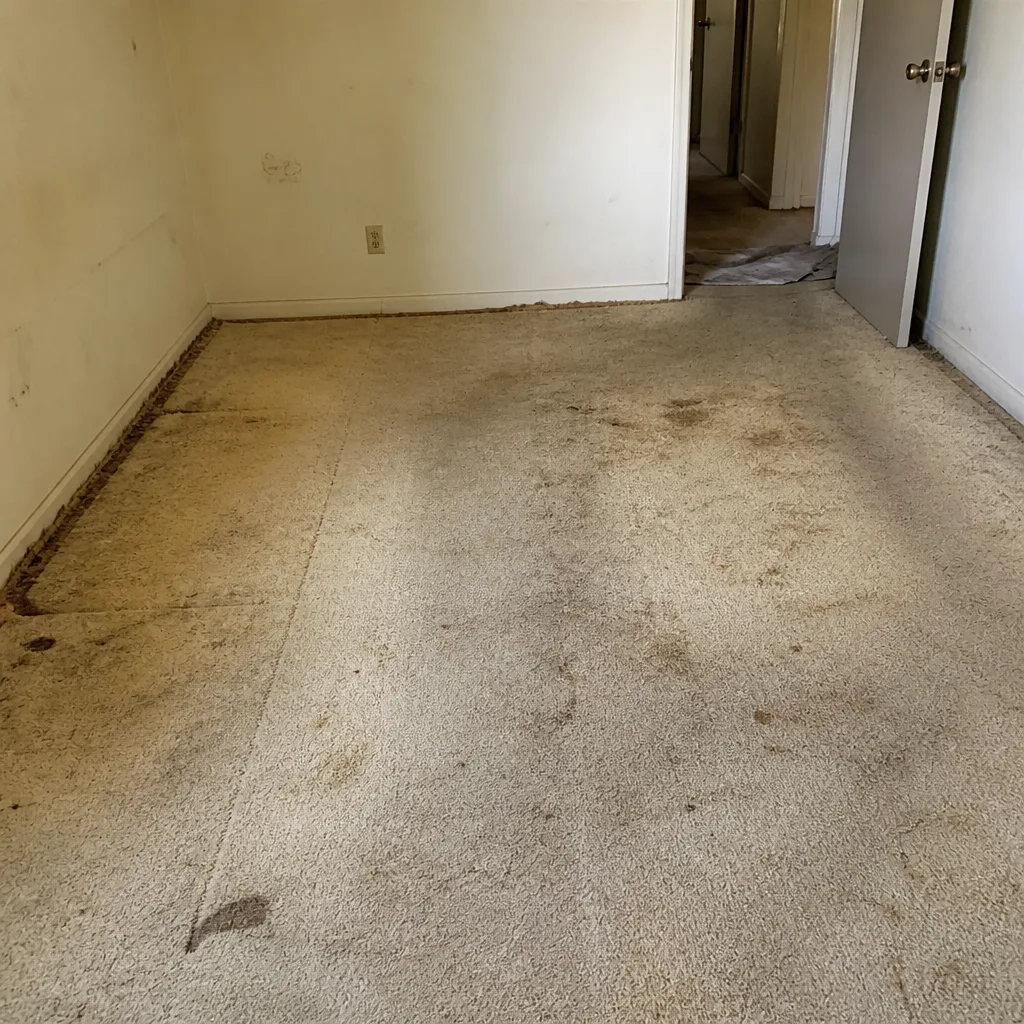 Before
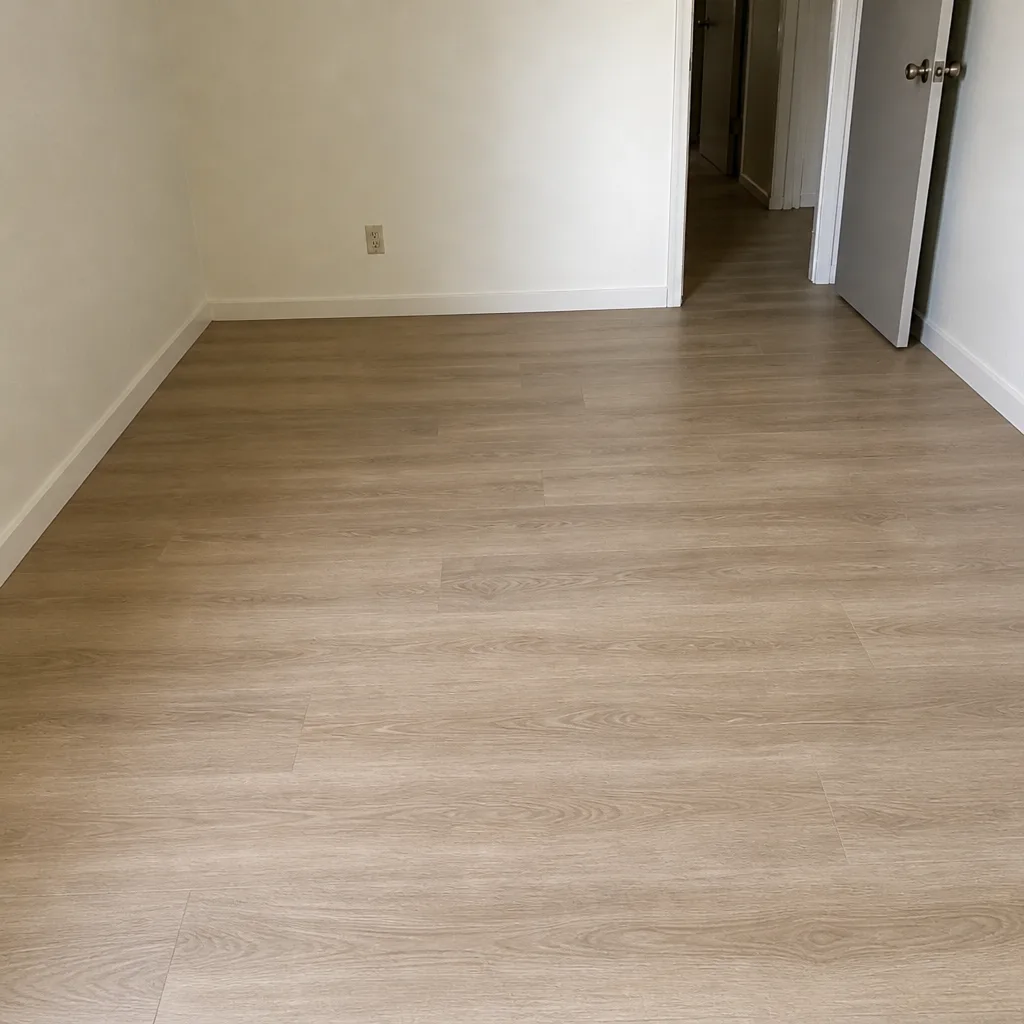 After
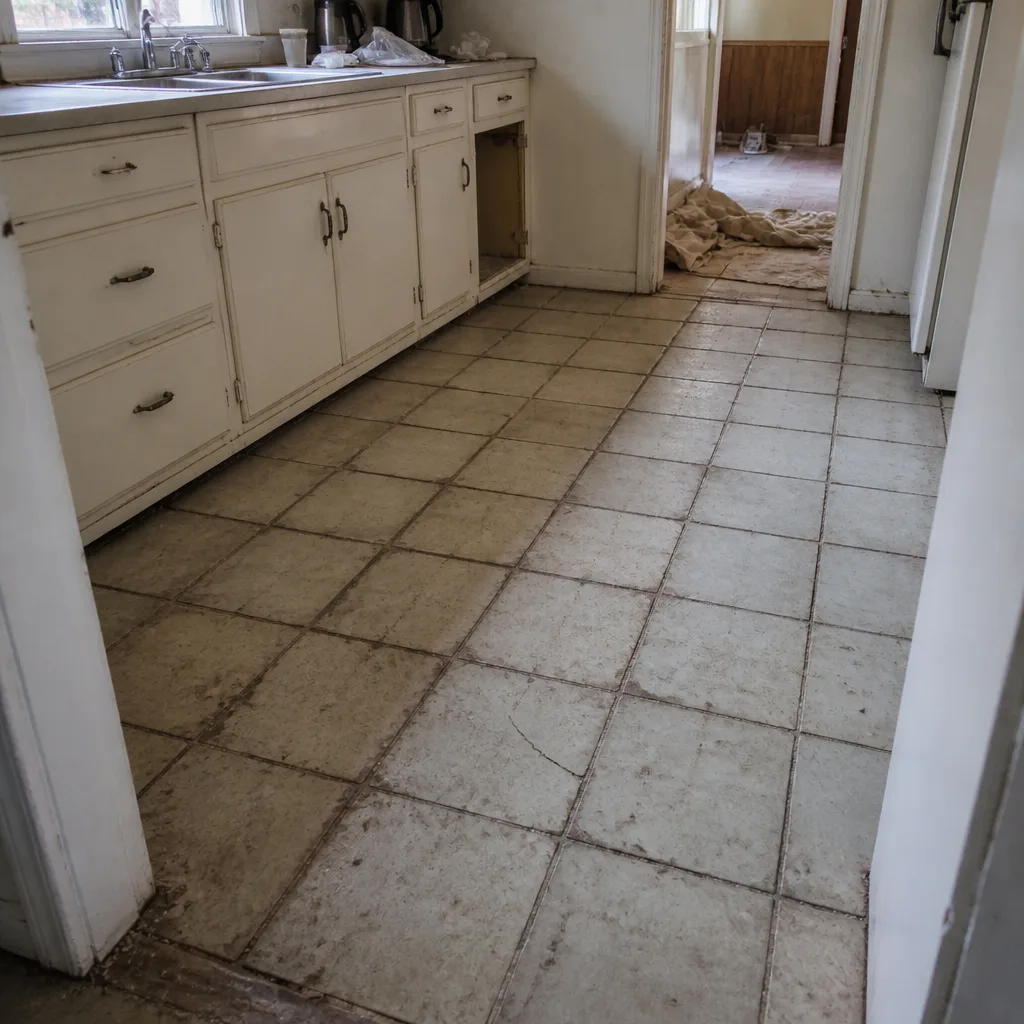 Before
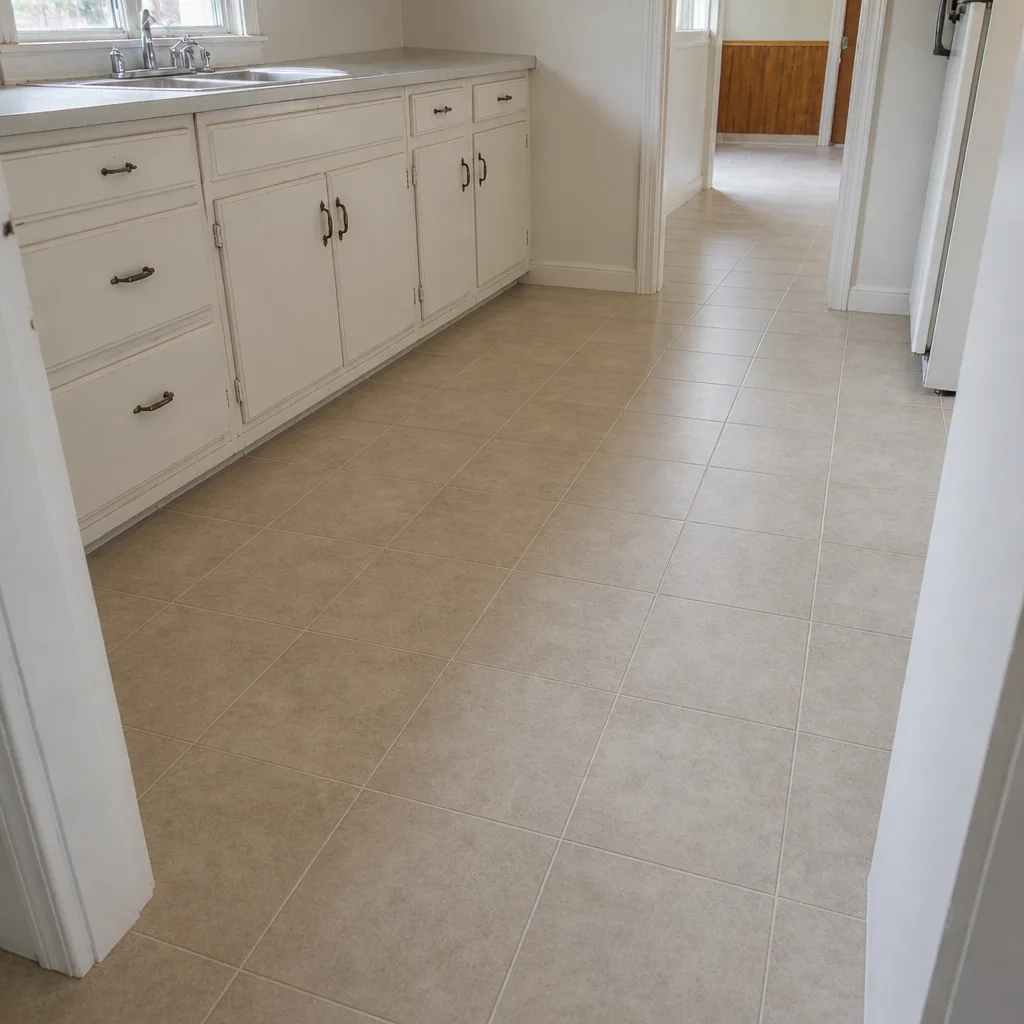 After
When to Call a Professional
Call a professional when damage goes beyond routine care: persistent wide gaps in wood or laminate, water that has spread under a floor, finish wear down to bare wood across multiple traffic lanes, or scratches and gouges that don’t lift with cleaning. Call us too when you’re not sure whether a floor needs refinishing or replacement. That judgment depends on wood thickness and condition, which you can’t reliably assess from the surface. Floors Enterprise offers free estimates in Enterprise, and our technicians have up to 9 years of experience assessing which floors are restorable. We answer 24/7 at (844) 320-5894, with fast dispatch from 7am to 7pm, Sunday through Friday. If you’re within range of our work in Enterprise, we’ll inspect the floor in person and write you a clear, honest recommendation before you commit to anything.
Frequently Asked Questions
No, not on hardwood, laminate or engineered wood. Steam drives heat and moisture into seams and finishes, and the swelling or clouding that follows usually shows up weeks later. Even on LVP and tile, a damp mop with the correct cleaner is the safer routine, and your product instructions are the final say.
They aren’t interchangeable. Laminate wants a slightly damp mop and a cleaner made for laminate, then drying afterward, because its textured surface holds residue. Luxury vinyl takes a pH-neutral cleaner and a damp mop, and both should be diluted as directed. Never assume a bottle labeled “floor cleaner” is safe for both; match it to the specific floor, and call (844) 320-5894 if you’re unsure what your floor is.
Gaps in Enterprise’s dry desert air are most often seasonal shrinkage. Wood absorbs and releases moisture from the air, and very dry indoor air causes planks to shrink slightly. Check indoor humidity with a hygrometer and manage it toward the range in your product instructions. If gaps are wide or persistent rather than seasonal, that’s worth a professional look.
It depends on the thickness of the wood and its condition, checked at an in-person estimate. Surface scratches, dull finish and worn traffic lanes usually point toward refinishing. Deep gouges, damage through to bare wood in multiple areas, or a floor that’s already been sanded many times may point toward replacement. We check the actual floor before recommending either.
No. We’re a flooring specialist that installs carpet and tile and performs hardwood refinishing, working with nine brands including Mohawk, COREtec, Pergo, LifeProof, Shaw, Mannington, Armstrong, Daltile and Karndean. We don’t sell cleaning products or run a showroom; our work is helping you choose materials and get them installed and maintained correctly. Call (844) 320-5894 to schedule a free estimate.
There’s no single answer, because it depends on material, traffic and the home. Wood floors benefit from a professional look when finish wear is visible, and carpet from periodic deep cleaning based on use. Resilient floors rarely need professional attention unless there’s damage, and tile mostly needs grout attention over time. If you’re unsure, a free estimate visit is the easiest way to find out.
The Bottom Line
New flooring doesn’t wear out because of the product. It wears out because one cleaning habit gets applied to every floor in the house. Match the cleaner, moisture level and protection to the material you actually have, keep indoor humidity stable in Enterprise’s dry air, and put felt pads under every furniture leg that touches the floor. Know the difference between a floor that’s tired and one that’s worn out, because hardwood refinishing can preserve a floor that replacement would waste. If you want a professional read on your floors before you decide anything, call (844) 320-5894 for a free estimate. We answer 24/7, with fast dispatch from 7am to 7pm, Sunday through Friday.
Written by the team at Floors Enterprise.