
Last updated November 18, 2026
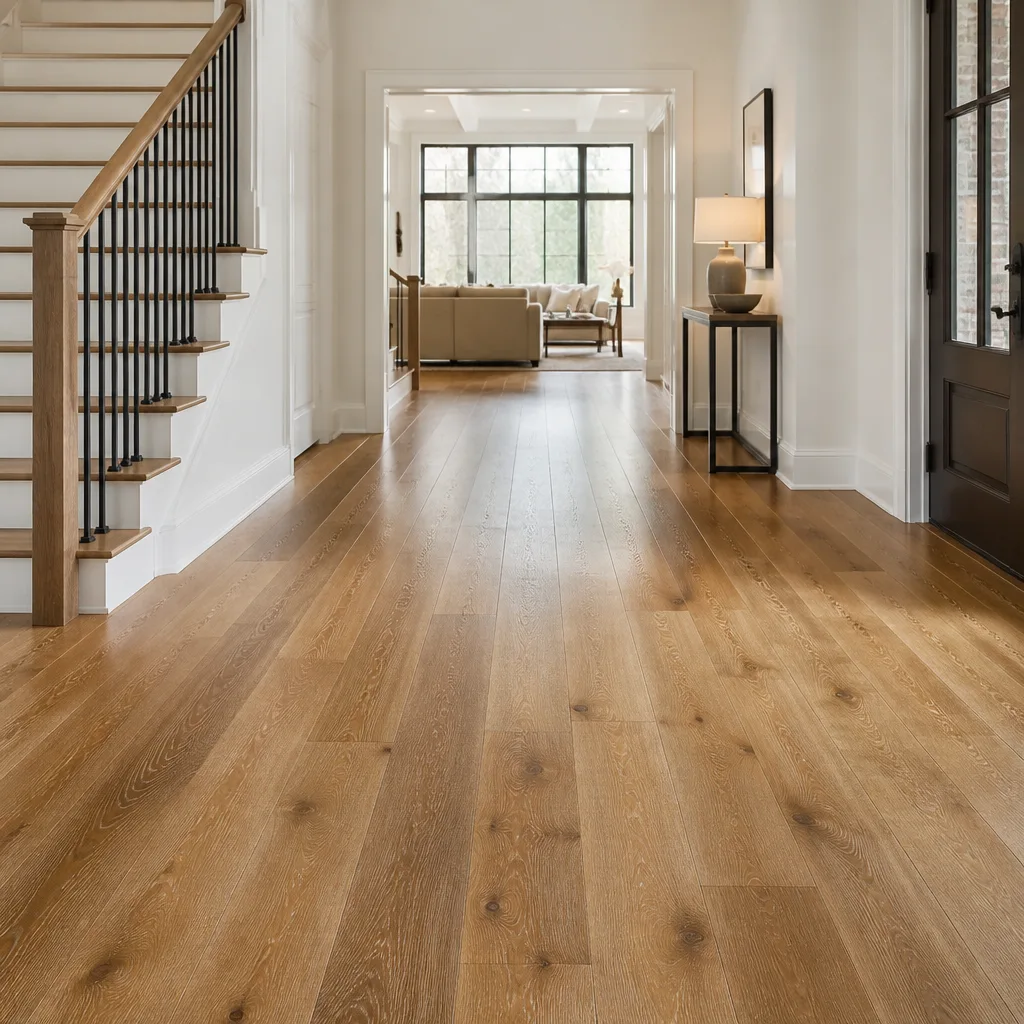 Hardwood
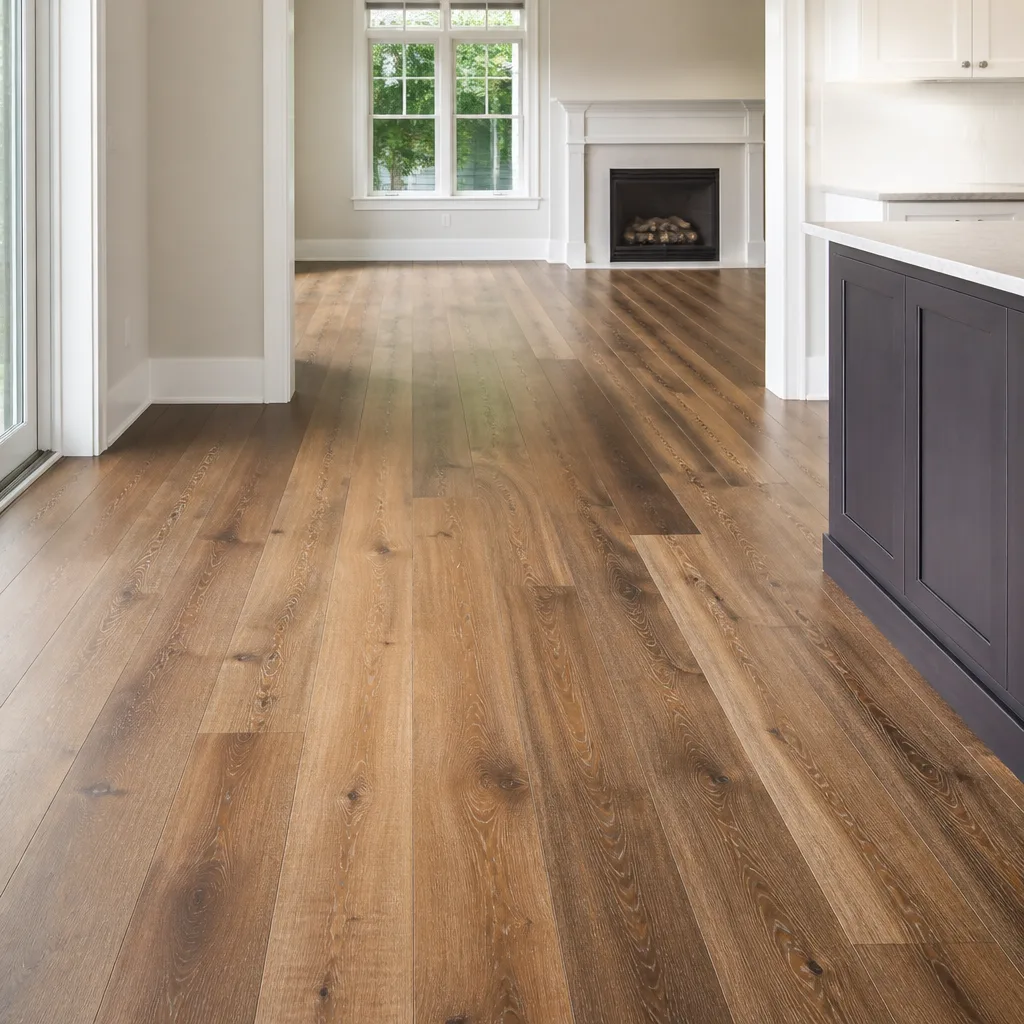 Engineered hardwood
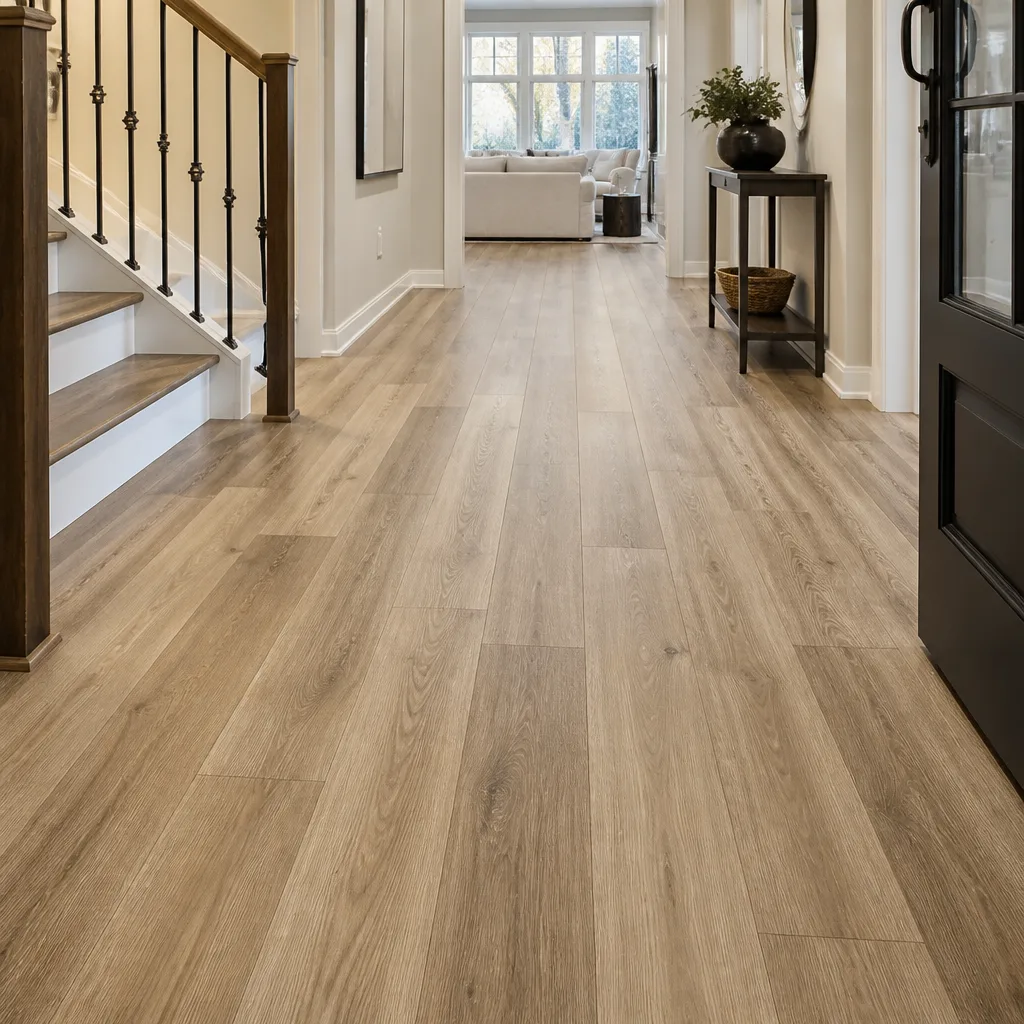 Luxury vinyl plank
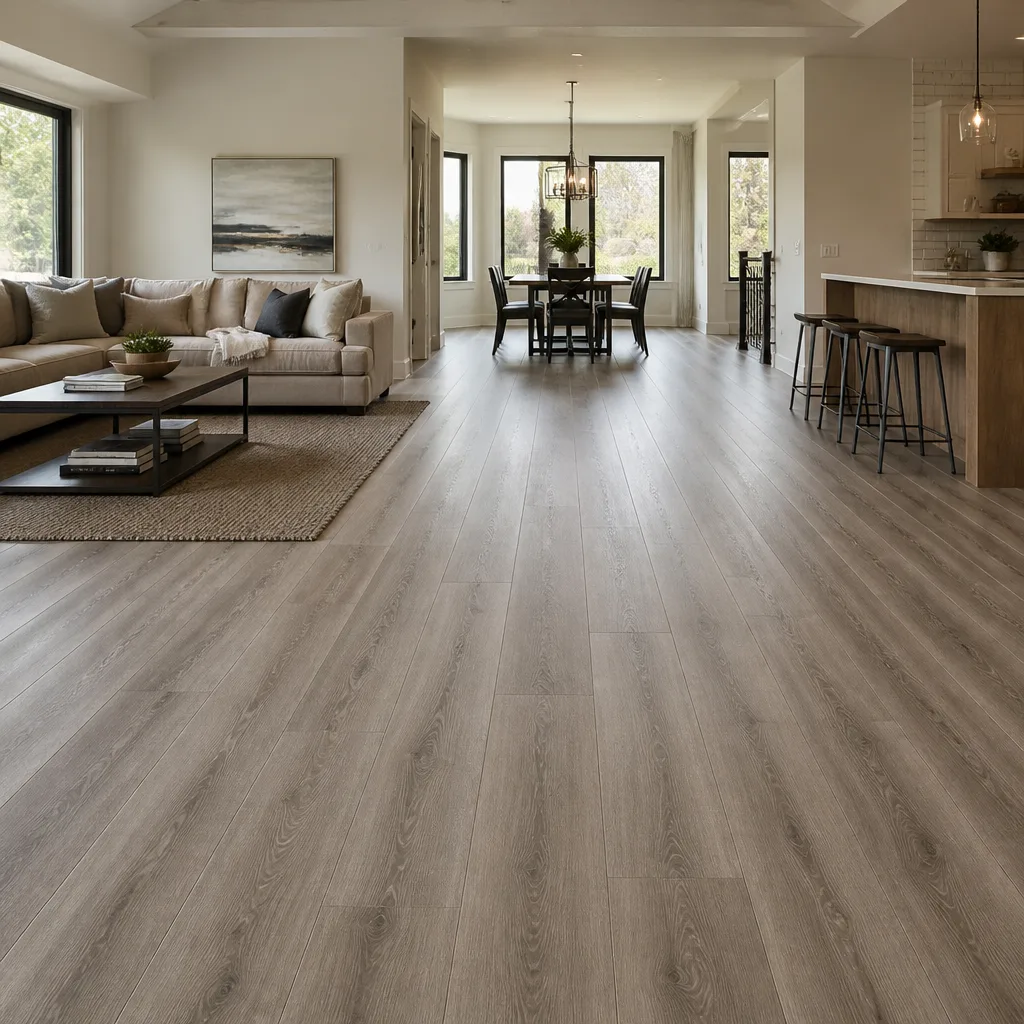 Laminate
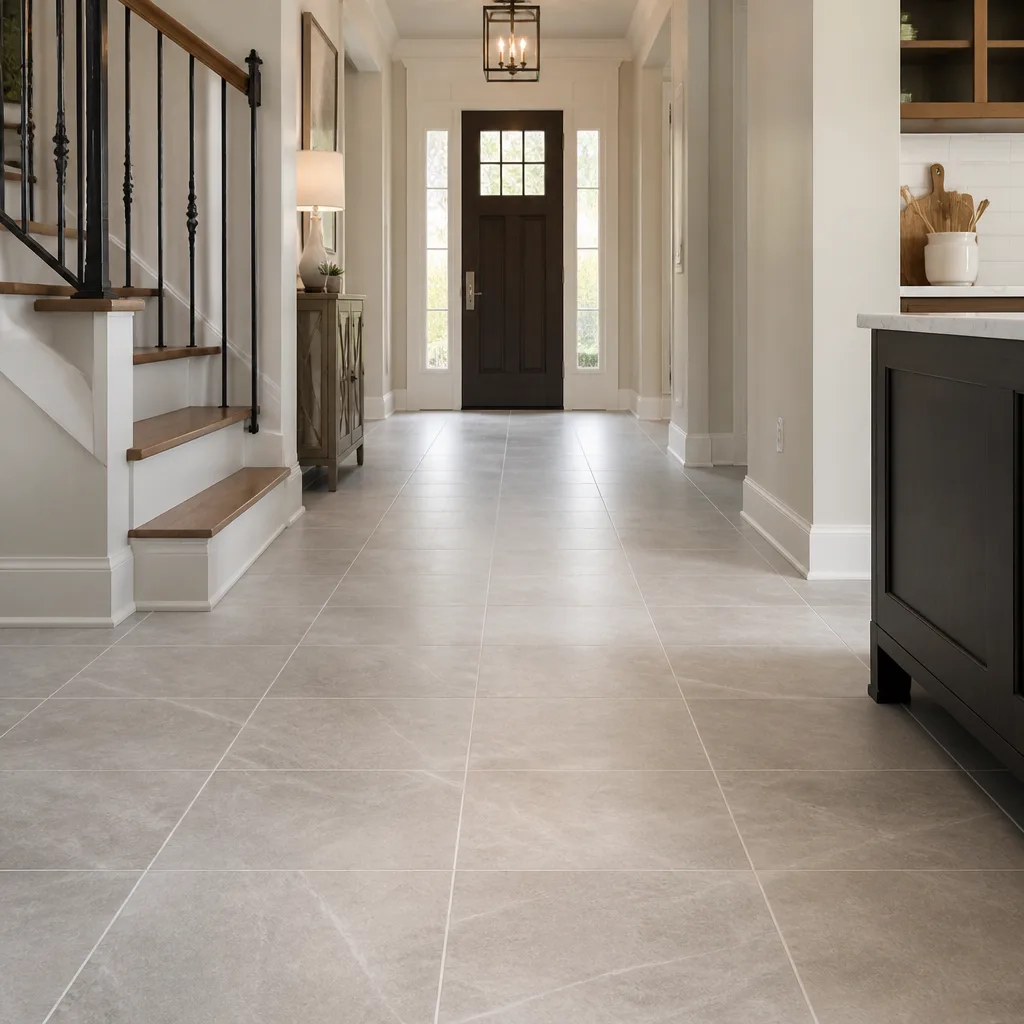 Porcelain tile
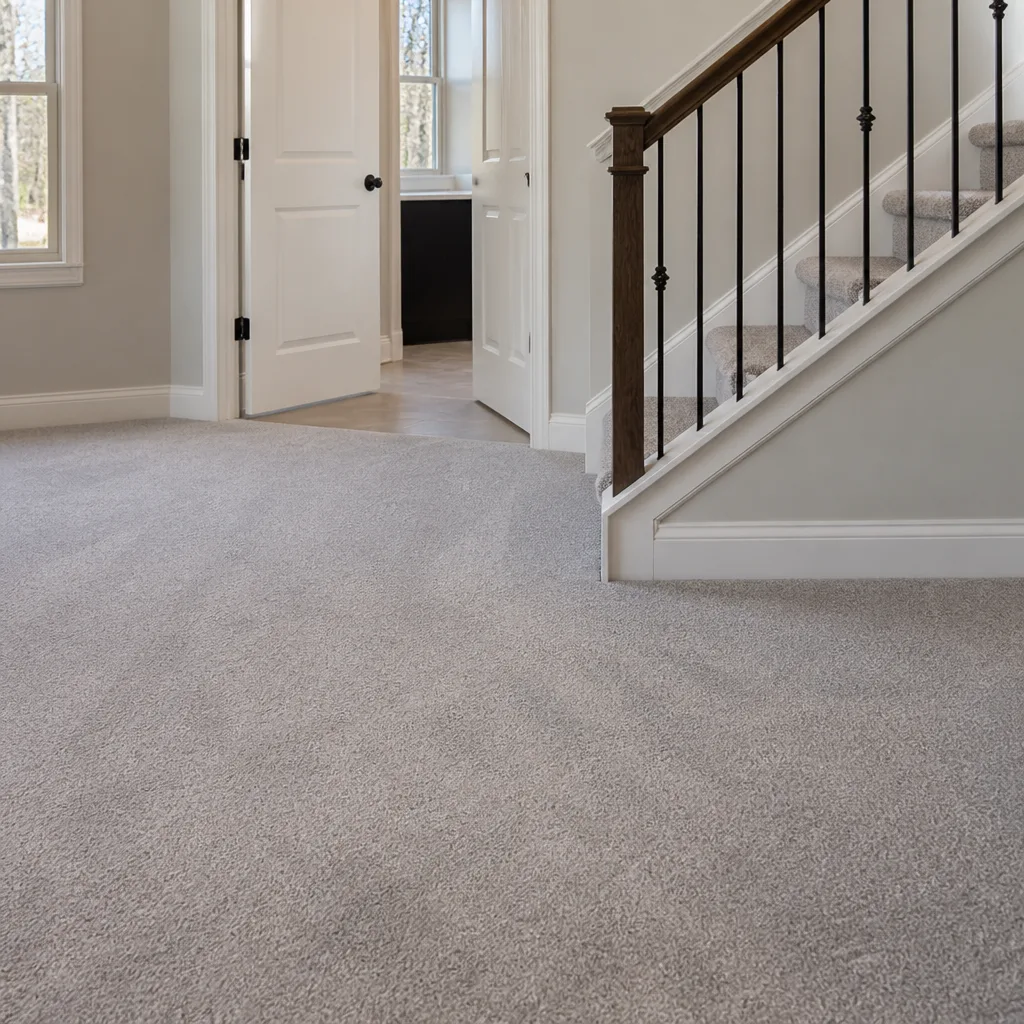 Carpet
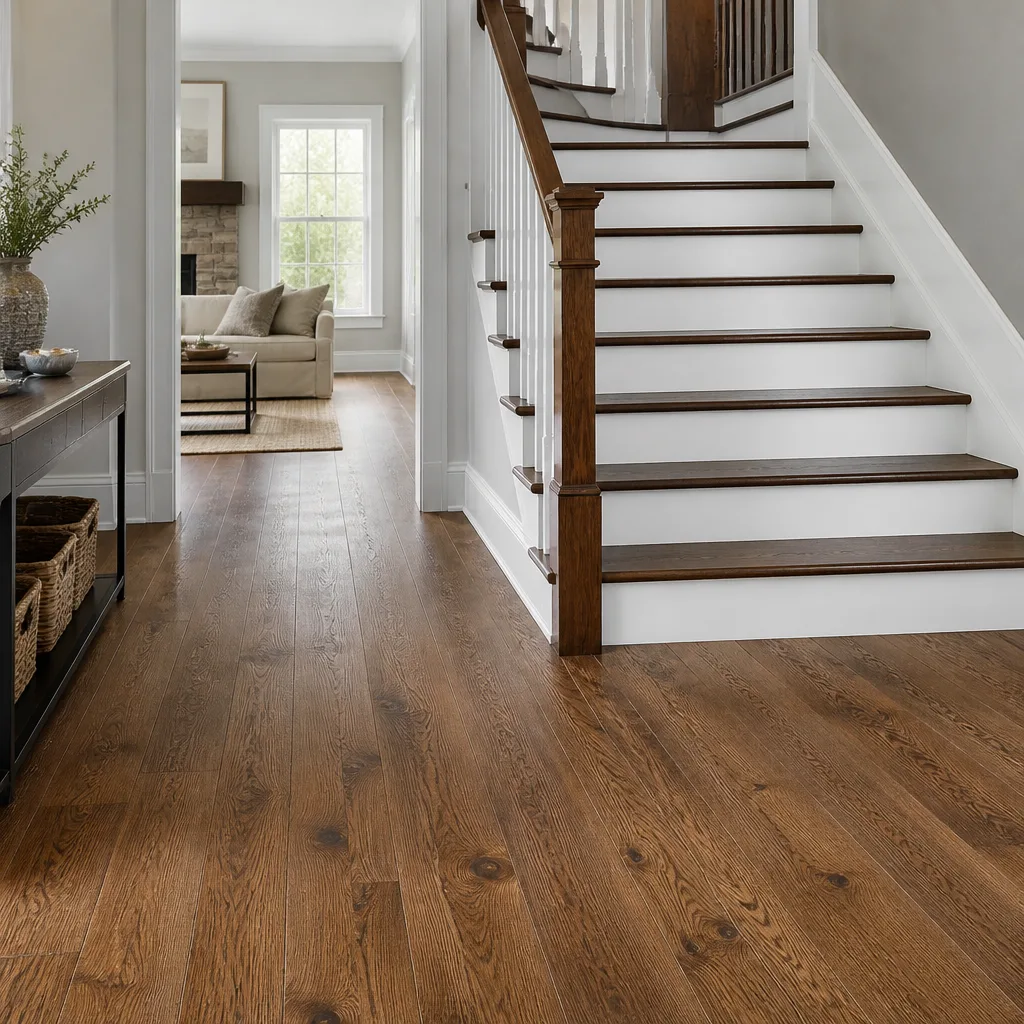 Shaw
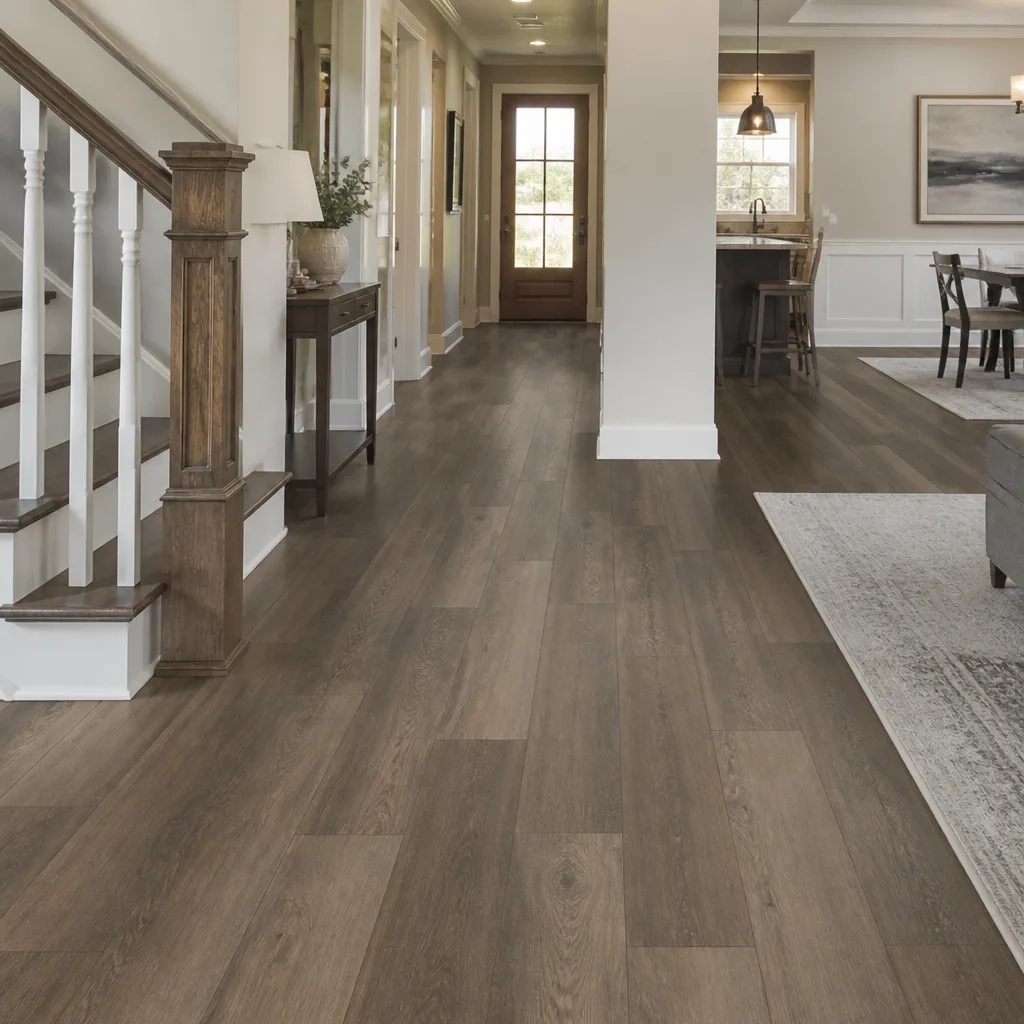 Mohawk
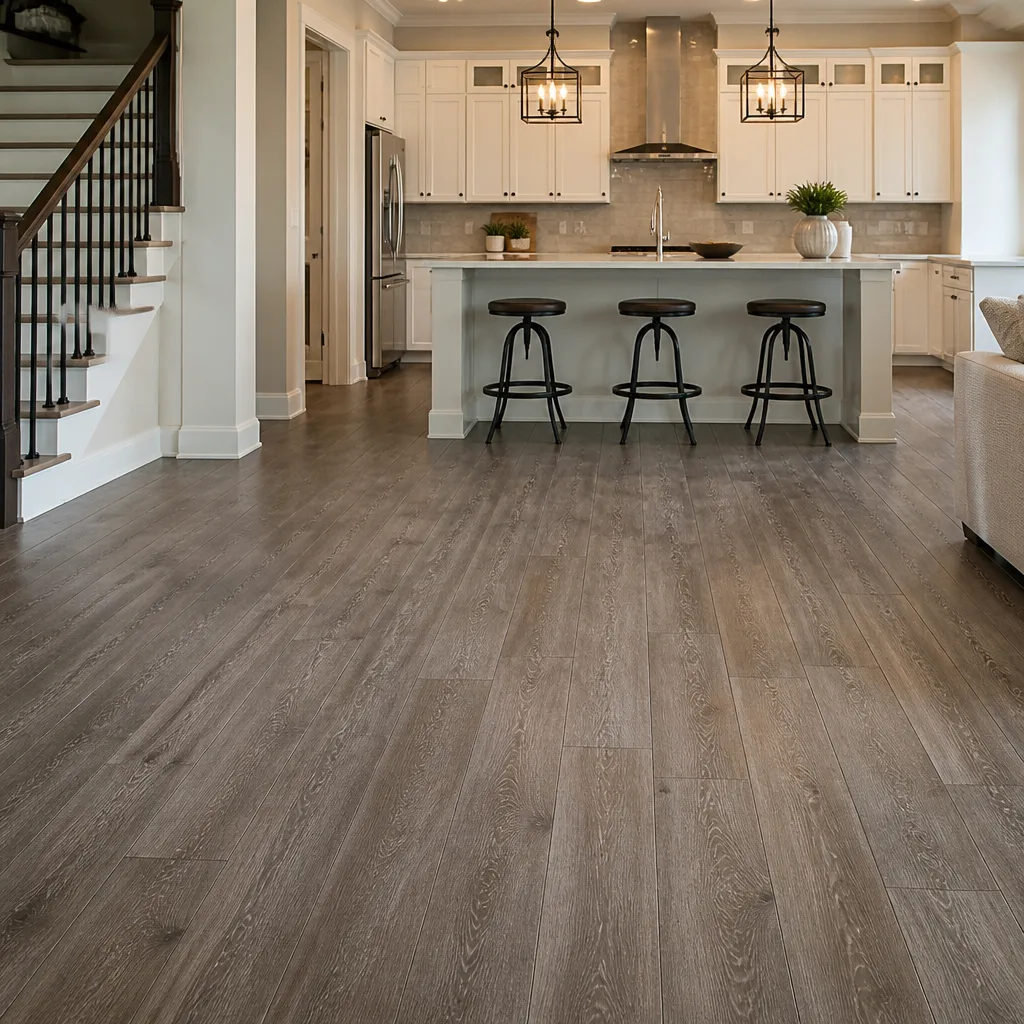 COREtec
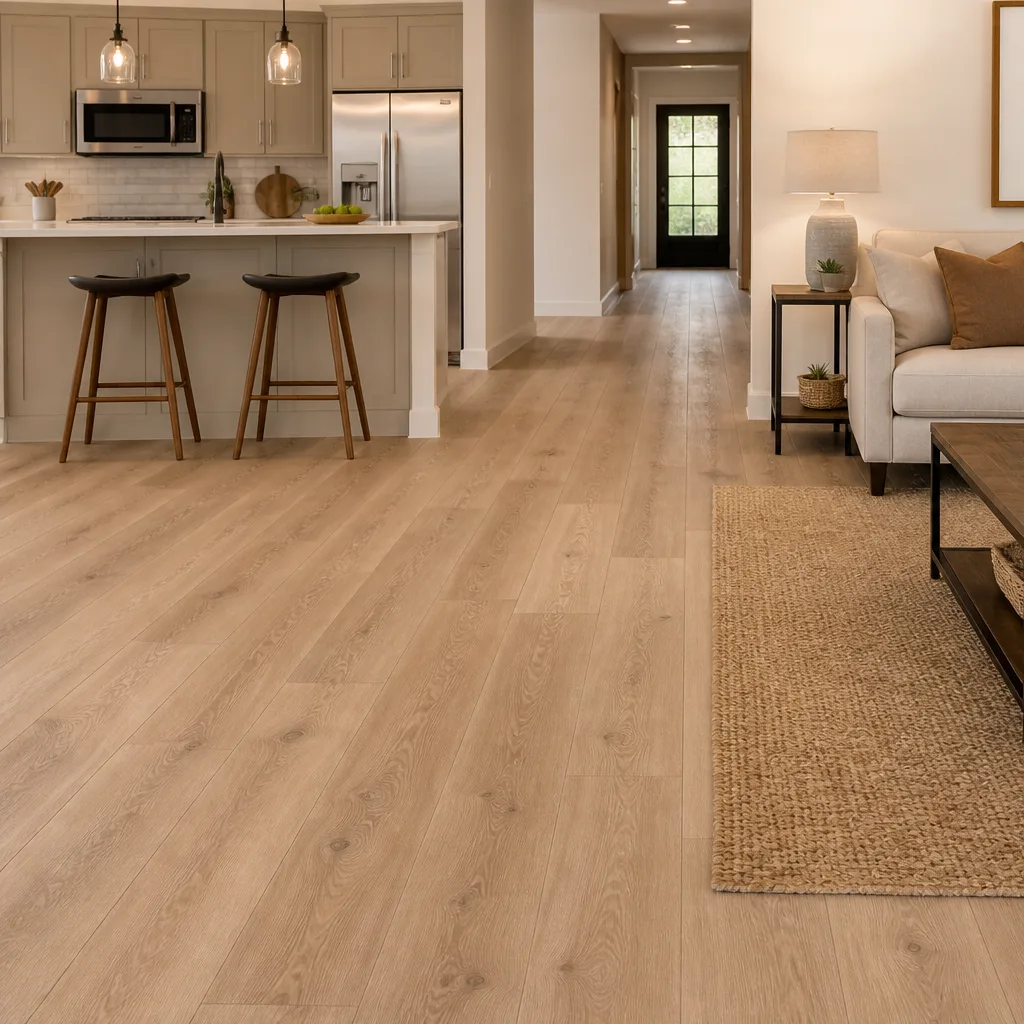 Pergo
Free in-home measure and written estimate: Shaw, Mohawk, COREtec and Pergo lines compared on your own rooms, with carpet, tile, vinyl plank, laminate and hardwood laid out side by side
Get your free estimateHow Enterprise’s Climate Can Affect Your Flooring Choice
Most flooring advice you’ll read online was written for a temperate climate with steady humidity and mild seasons. Enterprise is not that place. This corner of the Las Vegas Valley swings from furnace-dry summer air to winter cold snaps, and the floors inside your home expand and contract with every shift. The result: solid hardwood that looked perfect at installation can develop gaps and cupping here without a single mistake by the installer. In this guide, we’ll walk through exactly how Enterprise’s high-desert climate stresses different flooring materials, which options hold their shape, and how to match a floor to the way your home actually behaves through the year.
Quick Answer
The best flooring for the Las Vegas Valley climate is a dimensionally stable material: luxury vinyl plank, porcelain tile, or engineered hardwood. These handle the extreme humidity swings between summer and winter far better than solid hardwood or natural cork, which move noticeably as the air dries out. For slab-on-grade homes in Enterprise, the concrete subfloor adds another variable, so moisture and temperature under the slab matter as much as the surface you walk on.
Styles & brands we work with
- Hardwood
- Engineered hardwood
- Luxury vinyl plank
- Laminate
- Porcelain tile
- Carpet
- Shaw
- Mohawk
- COREtec
- Pergo
Table of Contents
- Why Humidity Swings Matter More Than Heat
- Flooring Types That Stay Stable in Low Humidity
- Where Solid Hardwood and Natural Cork Get Risky
- What Slab-on-Grade Construction Does to Your Floor
- How West-Facing Sun Ages Your Floor
- Matching a Floor to How You Live
- Restore Before You Replace: Refinishing Existing Hardwood
- What a Proper Climate-Aware Installation Involves
Why Humidity Swings Matter More Than Heat
Temperature gets all the attention in the desert, but humidity is what actually moves your floor. In summer, Las Vegas Valley relative humidity can drop below 10%, a level that pulls moisture out of wood fibers and causes them to shrink. Wood doesn’t shrink uniformly. Across the grain it moves far more than along it, which is why a board can gap at the seams while staying flat at the ends. When humidity climbs back in winter, the wood takes on moisture and swells, and gaps close up or boards cup at the edges.
This cycle repeats every year, and it’s cumulative in its effect on appearance and fit. A floor installed in a wet season and then allowed to dry out over a desert summer will show movement the installer never caused. That’s why the same product that performs beautifully in a Midwest home can look worn and gapped in Enterprise after a few seasons.
Two things make this worse in our area:
- The swing is wide. Summer air can be bone-dry, and winter interior air holds more moisture once heating and cooking add humidity back into the house.
- Air conditioning dries the interior further. Running the AC through the hot months keeps pulling moisture out of the air inside, which is exactly the condition that shrinks solid wood.
The practical takeaway: any flooring choice for a home in Enterprise needs to be judged on how it handles moisture movement, not just on how it looks in a showroom. If you want a floor that ignores the humidity cycle as much as possible, the answer is a stable material with a tight, sealed surface. That’s the direction we steer most homeowners toward when they tell us they want something that just stays put through a desert year.
Flooring Types That Stay Stable in Low Humidity
Dimensionally stable flooring holds its shape when the air dries out because its structure doesn’t fight moisture loss the way solid wood does. These are the categories we recommend most often for Enterprise homes, and they each solve the problem a different way.
Luxury Vinyl Plank
LVP, including lines like COREtec, is built on a composite core that doesn’t absorb moisture the way wood does, so it doesn’t gap or cup as interior humidity drops. It’s water-resistant (not waterproof in the absolute sense, since standing water and moisture from below still have to be handled), which suits the highs and lows of a household with kids or pets. For a home in Enterprise where the subfloor is a concrete slab, LVP is often the most forgiving surface you can put down.
Porcelain Tile
Porcelain tile, such as what you’d get through Daltile, is fired at high temperature, so it has essentially no moisture content to lose. It won’t shrink, swell, or gap. The tile itself ignores the humidity cycle entirely. The only thing to manage is the substrate beneath it, and that’s a conversation for the install stage rather than the product choice.
Engineered Hardwood
Engineered hardwood has a real wood surface over a plywood core, and the way the plies are cross-layered limits how much the plank can move. It still reads as hardwood underfoot, but it’s far more stable than solid wood in a dry climate. That makes it a strong middle ground for a homeowner who wants the look of wood without the seasonal drama.
Carpet
Carpet handles humidity swings well because fibers and backing don’t have a strong directional grain to curl against. It’s also the quietest and warmest-underfoot choice for bedrooms, where the temperature swings of a desert night are most noticeable. If you’re weighing soft surfaces and want to understand the trade-offs, our guide to carpet installation covers the details.
Where Solid Hardwood and Natural Cork Get Risky
Solid hardwood is the material most affected by Enterprise’s dry air. It’s one continuous piece of wood, so it moves as one, and there’s no cross-layered core to hold it in check. In a valley where summer humidity can fall below 10%, solid boards can shrink enough to open visible gaps at the seams. Those gaps let dust and crumbs collect, and over several seasons the floor can cup or crown at the edges.
The frustrating part is that none of these outcomes are the installer’s fault. A perfectly installed solid hardwood floor can gap in a dry climate simply because wood does what wood does. That’s why many manufacturer guidelines expect a home to be kept within a humidity range that desert homes rarely stay inside without deliberate effort.
Natural cork has a similar issue for a different reason. It’s a soft, porous material that responds to moisture by expanding and contracting, and it will dent and compress in high-traffic areas over time. In a home that swings from dry summer air to more humid winter air, cork can be a maintenance commitment rather than a set-and-forget floor.
This doesn’t mean these materials are always wrong. A homeowner who falls in love with solid hardwood can still have it, as long as they understand the seasonal gap cycle is part of living with that floor in this climate. But if your goal is a floor that looks the same in July as it does in January, solid hardwood and natural cork are the ones to think twice about. Engineered hardwood gives you the look with far less movement, and that’s the option we point toward most often.
What Slab-on-Grade Construction Does to Your Floor
Much of the housing in Enterprise is built slab-on-grade, meaning the concrete foundation sits directly on the ground with no crawl space underneath. This changes how your floor behaves in two ways that a crawl-space home never experiences.
Cold Retention
Concrete holds temperature and releases it slowly. In winter, a slab can stay noticeably colder than the air inside the house, which makes the floor feel chillier underfoot even when the thermostat reads comfortable. That matters for material choice: tile over a slab stays cold longer, while carpet and LVP with a bit of give feel warmer.
Moisture From Below
Concrete is porous, and ground moisture can migrate up through a slab over time. It doesn’t always show as visible water. It shows as a slab that reads damp, or a floor that swells where it meets the concrete. A slab in Enterprise needs to be checked for moisture before any absorbent flooring goes down. This is why we test the slab at the estimate stage rather than assuming it’s dry.
A couple of practical points follow from slab construction:
- Vapor control matters. A proper moisture barrier or vapor retarder under the flooring is part of a correct install, not an optional extra.
- Subfloor prep is part of the price. The written estimate should state how the slab will be prepared, because a flatness figure and moisture reading set the whole job.
- Material choice and the slab work together. A stable product on a wet slab will still fail. The two have to be handled as one decision.
Tile flooring installation in particular puts real demands on a concrete substrate: the slab needs to be flat and stable so the tile doesn’t crack at the joints. That’s why the measure and moisture check come before any written quote. Our tile flooring installation page explains how a slab gets prepared for tile.
How West-Facing Sun Ages Your Floor
Sunlight through a west-facing window is a flooring issue in Enterprise because of how intense and sustained it gets. A west window takes the full afternoon sun, and in summer that light hits the floor at a low angle for hours. The result is fading and surface breakdown that shows up along the sunniest strip of the room first, while the rest of the floor still looks new.
Not every material reacts the same way:
- Wood and laminate fade and shift color over time under strong UV exposure. The change is gradual and uneven, following the sun path.
- LVP and vinyl can discolor or dull under prolonged direct sunlight, depending on the product and the window.
- Carpet fades at the window edge first and can lose color over years in a sun-drenched room.
- Porcelain tile holds its color under UV far better than most surfaces, because the color runs through the fired body of the tile.
There are two honest ways to deal with this. The first is product choice: put a sun-stable floor like porcelain tile in the rooms that take the hardest afternoon light. The second is window treatment. UV film, blinds, and exterior shade all reduce how much direct sun reaches the floor, which extends the life of any material. For many Enterprise homes, the best answer is both: tile in the bright room and some form of window protection in the rest. A floor that would fade in a west-facing room is a poor candidate for that room, no matter how good the product looks in the showroom.
Matching a Floor to How You Live
Climate sets the boundaries, but the final choice comes down to how you use each room. Here’s how we think through it for a typical Enterprise home:
- Start with the subfloor. Slab-on-grade or raised? Dry or showing moisture? This determines which materials are practical before you fall in love with a look.
- Map the sun. Which rooms take heavy afternoon light from the west? Those rooms should get a sun-stable floor or window protection.
- Match the room to the household. Pets, kids, and high traffic point toward water-resistant LVP or tile. Bedrooms and stairs suit carpet for warmth and quiet.
- Consider the whole home at once. If you’re redoing more than one room, running a single flooring decision across surfaces saves coordinating multiple contractors and keeps the look consistent. We work with a portfolio spanning Floors Enterprise brand options like Shaw, Mohawk, COREtec, and Karndean, so the carpet, tile, and hardwood choices can be planned together.
- Budget for prep, not just product. Slab moisture and flatness affect the total, and the written estimate should spell it out.
The phrase we use with homeowners is simple: the right floor for how you actually live. A couple with two dogs and a sunny great room will be far happier with COREtec LVP or a Daltile porcelain than with solid oak. A family that wants warmth underfoot in the bedrooms is better served by carpet there and tile in the wet areas. The point is that no single material is right for every room in a desert home; the choice is per-room.
Restore Before You Replace: Refinishing Existing Hardwood
If you already have hardwood in your Enterprise home, the climate conversation changes. Before you assume the floor needs to be torn out, it’s worth checking whether it can be refinished. Sanding back to sound wood and applying a fresh finish can restore the surface and address minor wear without the cost of all-new material.
That said, not every floor can be refinished. It depends on how thick the wood is and what condition it’s in, which is checked at the estimate visit. A solid hardwood floor with enough thickness left can generally be sanded back; an engineered floor depends on how much wear layer it has. A stain match to a sample isn’t something anyone can promise in advance, because how the wood takes stain varies with the species and its current condition.
Refinishing is also a reasonable answer to the climate problem in a different way. If your existing hardwood was installed years ago and has settled into its seasonal movement, a refinish can take care of the wear while respecting a floor that’s already found its equilibrium. It’s the cost-conscious and sustainable alternative most flooring retailers won’t offer, because it means selling the customer a service instead of a new floor.
Our hardwood floor refinishing work is a dedicated service rather than a sideline. If we visit and find that replacing is the better call, we’ll say so, and if a quick refinish gets you another decade out of the floor, we’d rather tell you that too.
What a Proper Climate-Aware Installation Involves
An installation in Enterprise needs to account for the climate at every stage. A climate-aware install looks like this:
- Measure and moisture test. The estimate visit includes measuring the rooms and checking the slab or subfloor for moisture. This is where the climate problem gets caught before the job, not after.
- Choose the material against the conditions. The product has to match the room’s sun exposure, traffic, and subfloor. We compare options across the brand portfolio at this stage, so you can see the trade-offs side by side instead of shopping several stores.
- Follow the product’s own requirements. Every product has its own instructions for acclimation and substrate preparation, and the written estimate sets the schedule. We don’t invent rules; we follow the manufacturer’s and the home’s conditions.
- Prepare the substrate. Flatness and moisture control get handled before the first plank or tile goes down, per the product’s instructions.
- Install to the written scope. The booked install day follows the written quote, and any change gets discussed before it happens.
- Help you protect the result. Window protection in bright rooms and keeping an eye on interior humidity through the change of season go a long way toward keeping the floor looking new.
None of this is exotic. It’s the same careful process a flooring specialist runs everywhere, adjusted for the local climate. The difference is that we run it with the Enterprise climate in mind, which is why the material list we recommend for a home here reads a little differently from a generic national guide.
Common Mistakes to Avoid
- Choosing a floor for looks alone. A solid hardwood floor is beautiful, but if it’s going into a sunny, dry room in Enterprise, seasonal gapping may surprise you. Pick the material for the conditions first, then the look within it.
- Skipping the slab moisture check. A floor laid straight over a damp slab is a floor you’ll be replacing sooner than planned. Get the slab tested at the estimate.
- Ignoring the window. A floor that fades along one wall is almost always a west-facing sun problem, not a product defect. Window treatment is part of the flooring plan.
- Assuming every hardwood can be refinished. It depends on the thickness and condition of the wood, checked at the visit. Don’t plan on a refinish before that check.
- Running one material through the whole home. A desert home usually wants different floors in different rooms: tile in wet and sunny areas, LVP in high traffic, carpet in bedrooms.
- Letting a big-box store choose for you. A national display doesn’t know the humidity swing in Enterprise or the slab under your floor. The product choice should reflect the house it’s going into.
- Reading generic flooring advice. Guides written for temperate climates miss the desert-specific factors that matter most here. That’s why we wrote this one.
See the difference
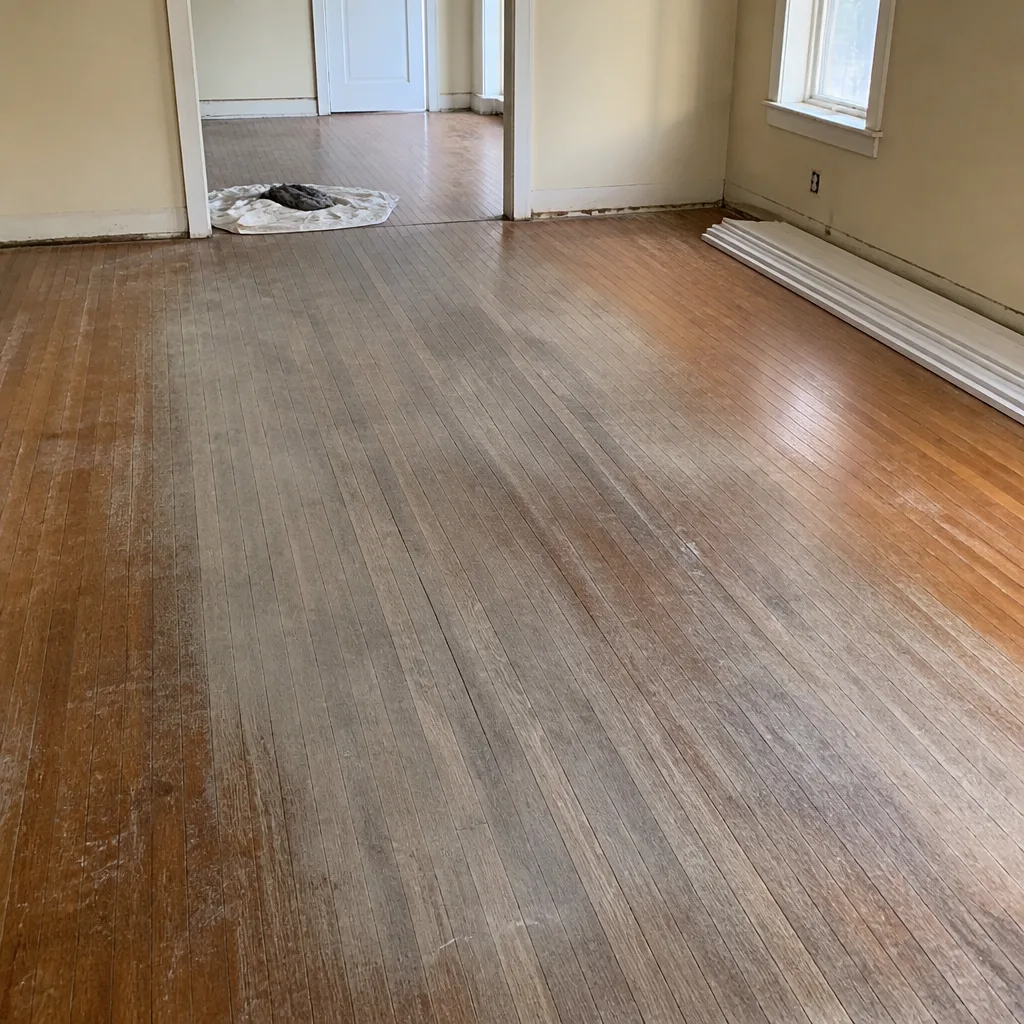 Before
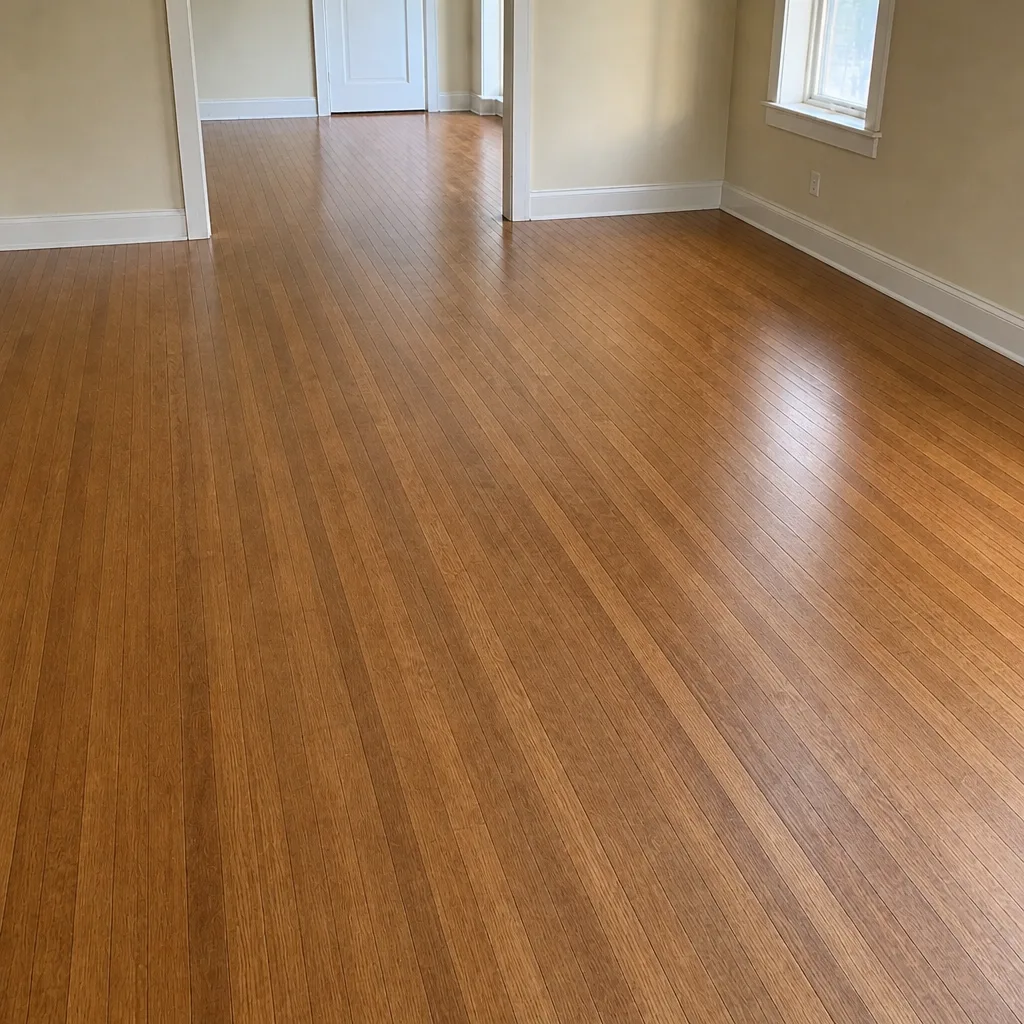 After
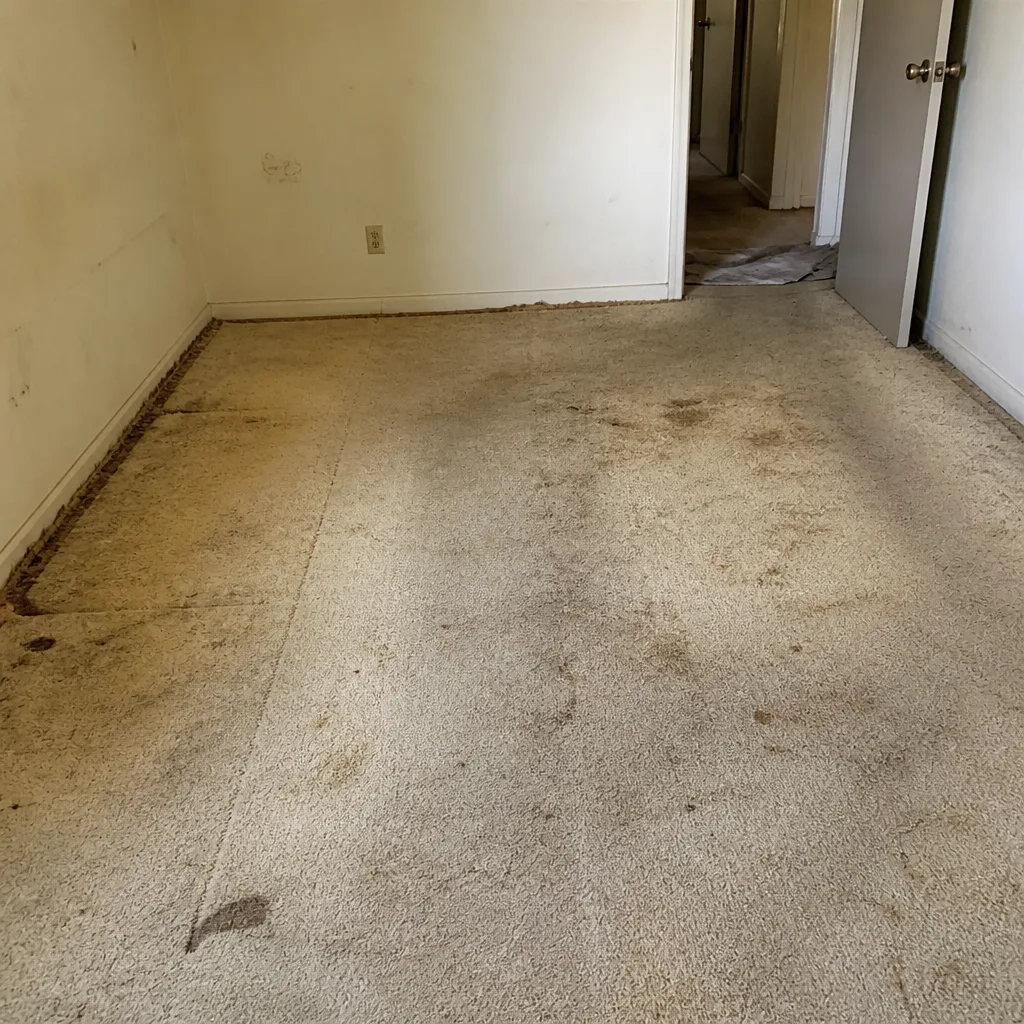 Before
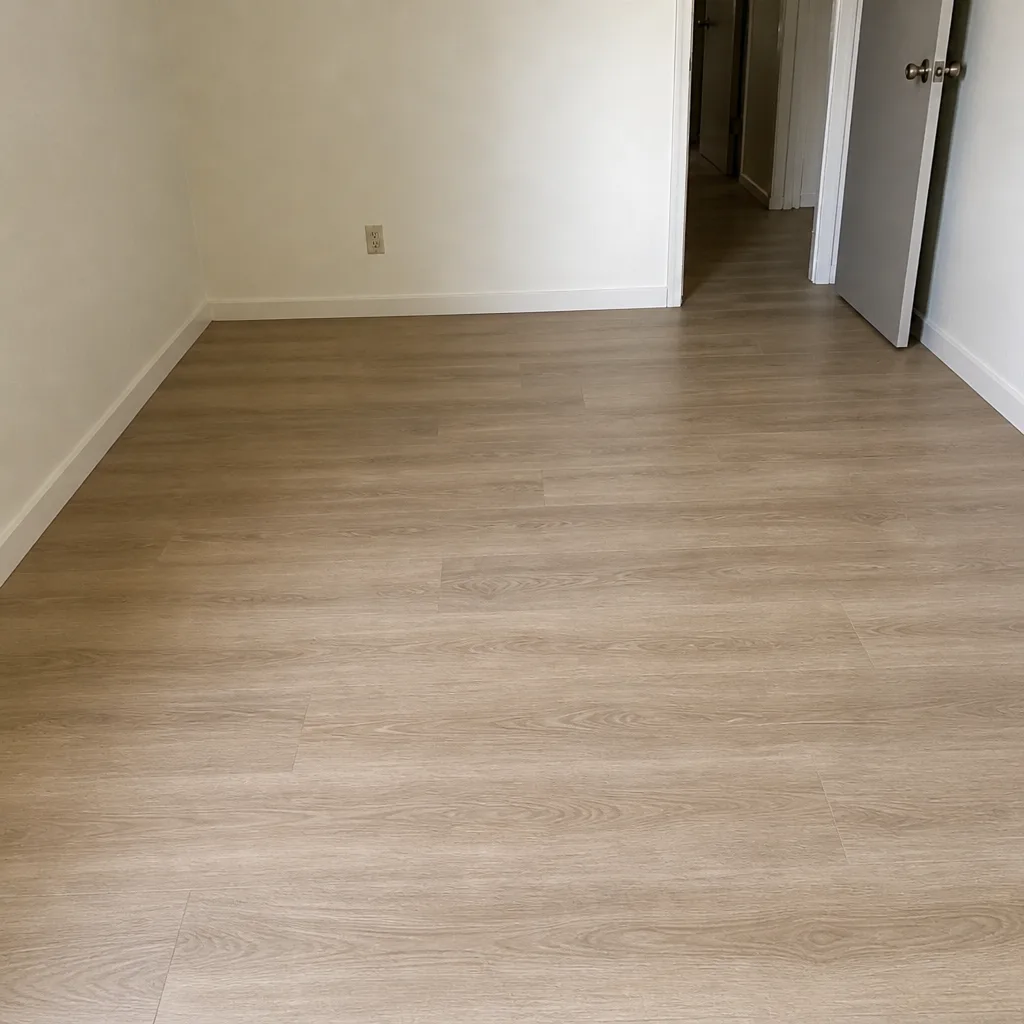 After
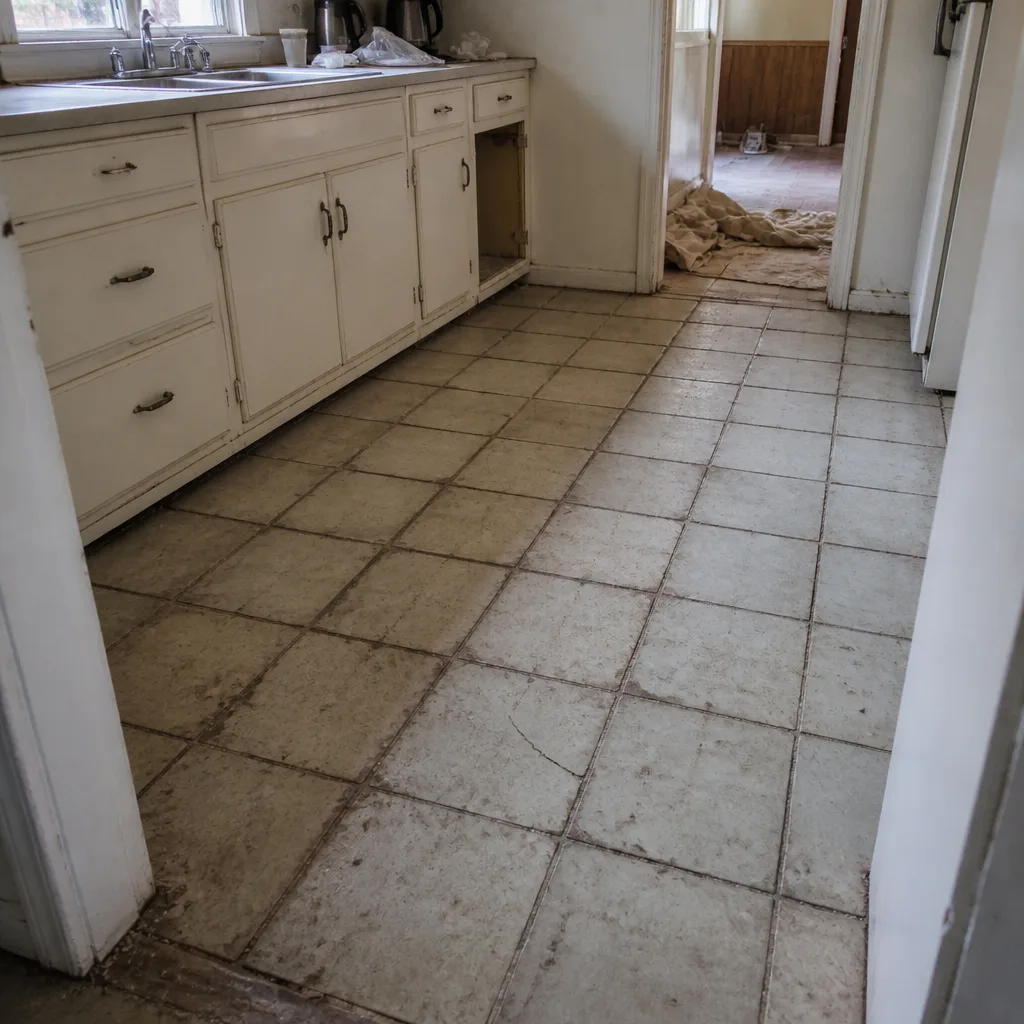 Before
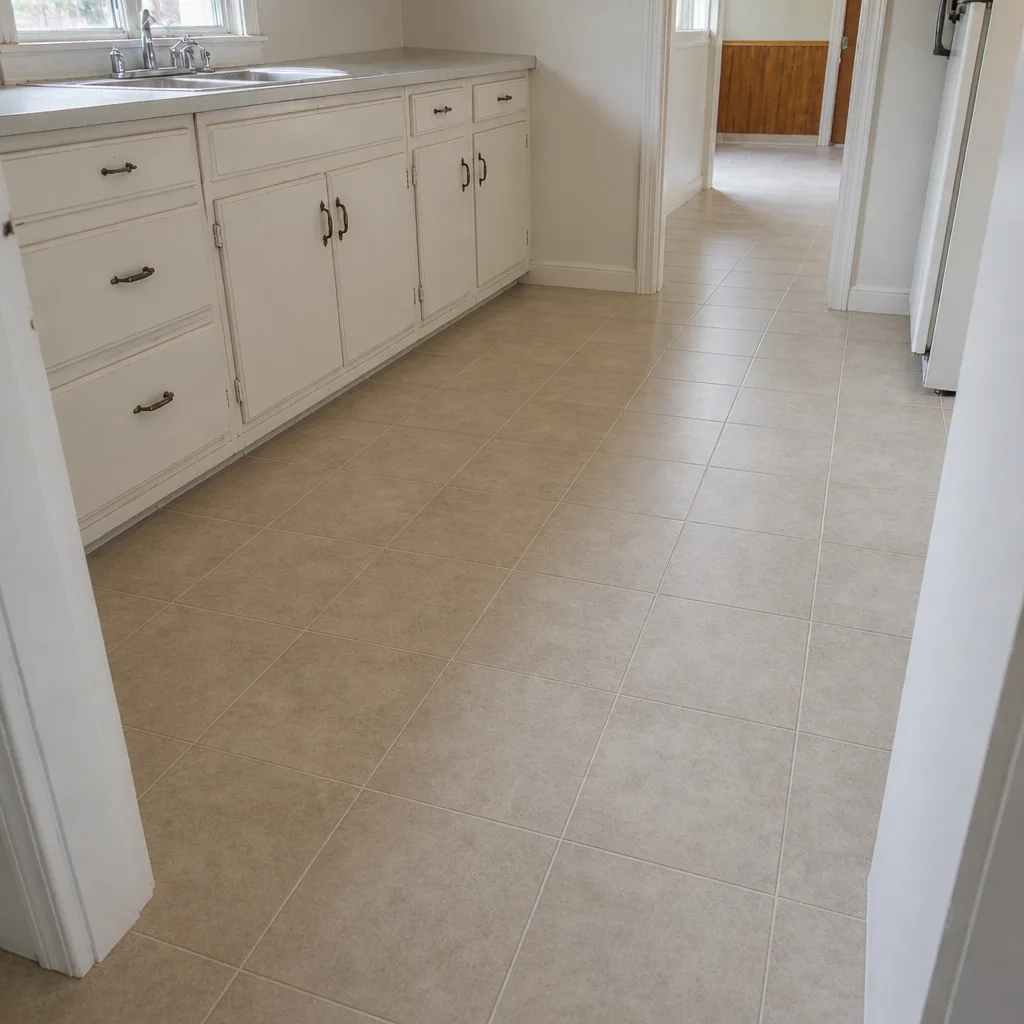 After
When to Call a Professional
It’s time to call a flooring specialist when the questions are bigger than a single product. If you’re torn between LVP, engineered hardwood, and tile for a room with strong sun, or if you have existing hardwood you’re not sure can be refinished, a free in-home estimate is the right next step. It’s also worth a call if you suspect the slab is damp, if you’re planning a whole-home project across multiple surfaces, or if you’ve watched a floor gap or cup through the seasons and want to understand why. Any of those situations gets clearer once someone measures the room and checks the subfloor. Floors Enterprise offers free estimates in Enterprise. Call (844) 320-5894 to schedule yours. We answer 24/7. Fast dispatch, 7am-7pm, Sunday through Friday.
Frequently Asked Questions
Luxury vinyl plank, porcelain tile, and engineered hardwood are the best choices for the Las Vegas Valley climate because they’re dimensionally stable and don’t gap or cup as humidity swings. Solid hardwood and natural cork are the riskiest options here. LVP and tile ignore the dry air best, while engineered hardwood gives you a wood look with far less movement.
Solid hardwood gaps in Enterprise because the valley’s summer air can drop below 10% relative humidity, which causes the wood to shrink across the grain. The floor then takes on moisture again in the more humid months and closes back up. The movement is normal for wood in a dry climate, not necessarily an installation error. Engineered hardwood or LVP avoids the issue entirely.
A slab foundation affects your flooring choice by adding a moisture source and a cold mass under the floor. Concrete is porous, so ground moisture can migrate up through the slab, and the slab stays colder in winter than the air in the room. Stable materials like LVP and tile handle the slab best, and the slab should be moisture-tested before anything goes down.
Yes, sustained afternoon sun through a west-facing window can fade and degrade wood, laminate, vinyl, and carpet over time, showing up in an uneven strip along the sunniest part of the room. Porcelain tile holds its color far better under UV. Window film, blinds, or exterior shade extend the life of any floor. Call (844) 320-5894 for an exact recommendation for your rooms – estimates are free.
Whether you can refinish or need to replace depends on the thickness of the wood and its condition, which is checked at the estimate visit. Many solid hardwood floors can be sanded back and refinished, which is the cost-conscious and sustainable alternative to replacement. A stain match to a sample can’t be promised in advance because how the wood takes stain varies.
Yes, planning all your flooring at once is often worth it because it keeps the material choices consistent and avoids coordinating multiple contractors. A specialist who handles carpet, tile, and hardwood refinishing can see the whole project and match each room to its conditions. Our team at Enterprise works through all three categories with a portfolio of nine brands. Call (844) 320-5894. We answer 24/7. Fast dispatch, 7am-7pm, Sunday through Friday.
The Bottom Line
Flooring in Enterprise is a climate decision as much as a design one. The wide humidity swing between summer and winter moves wood, slab foundations add moisture and cold underfoot, and strong west-facing sun ages surfaces unevenly. LVP, porcelain tile, and engineered hardwood handle those conditions well, while solid hardwood and natural cork demand more care. A professional estimate that includes the subfloor and the room’s sun exposure is where the right answer comes from. From carpet to tile to hardwood, we’re glad to help you plan it. Call (844) 320-5894 to schedule your free estimate.
Written by the team at Floors Enterprise.