
Last updated November 18, 2026
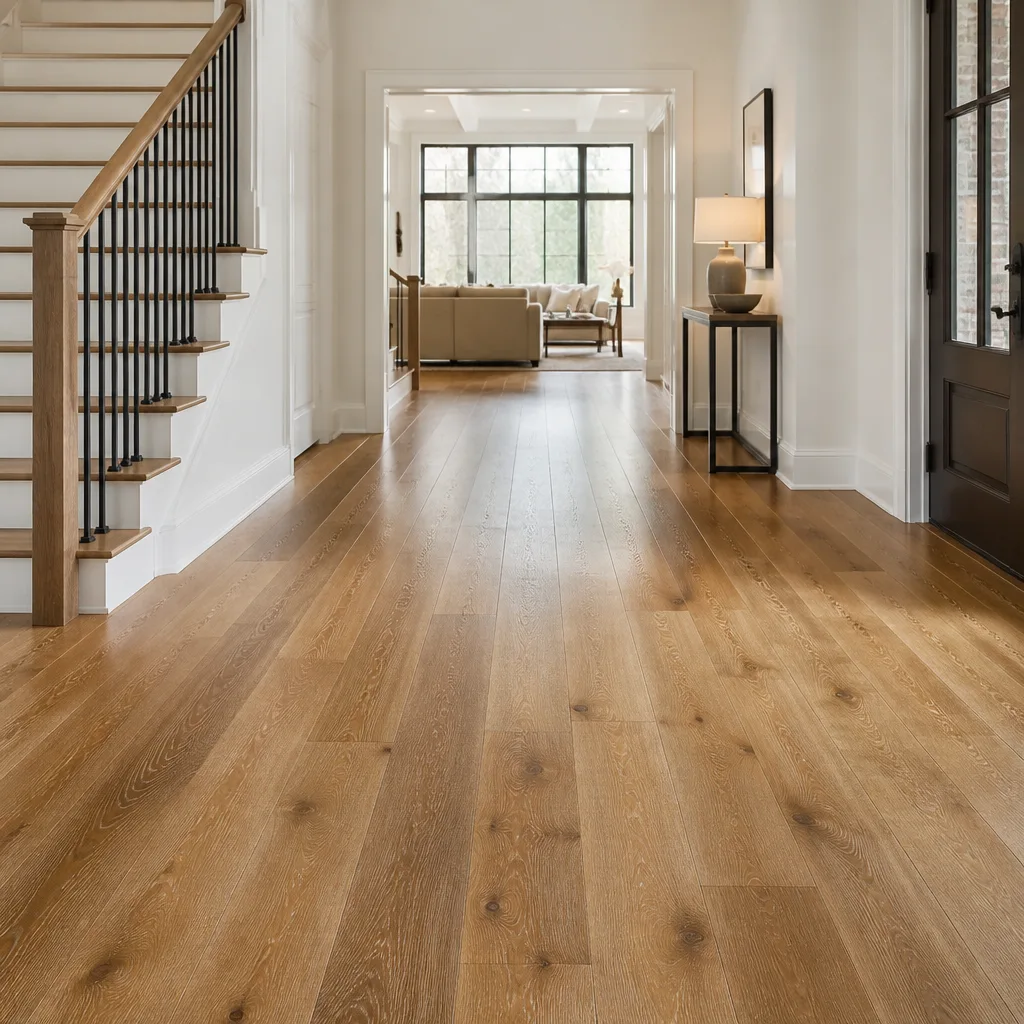 Hardwood
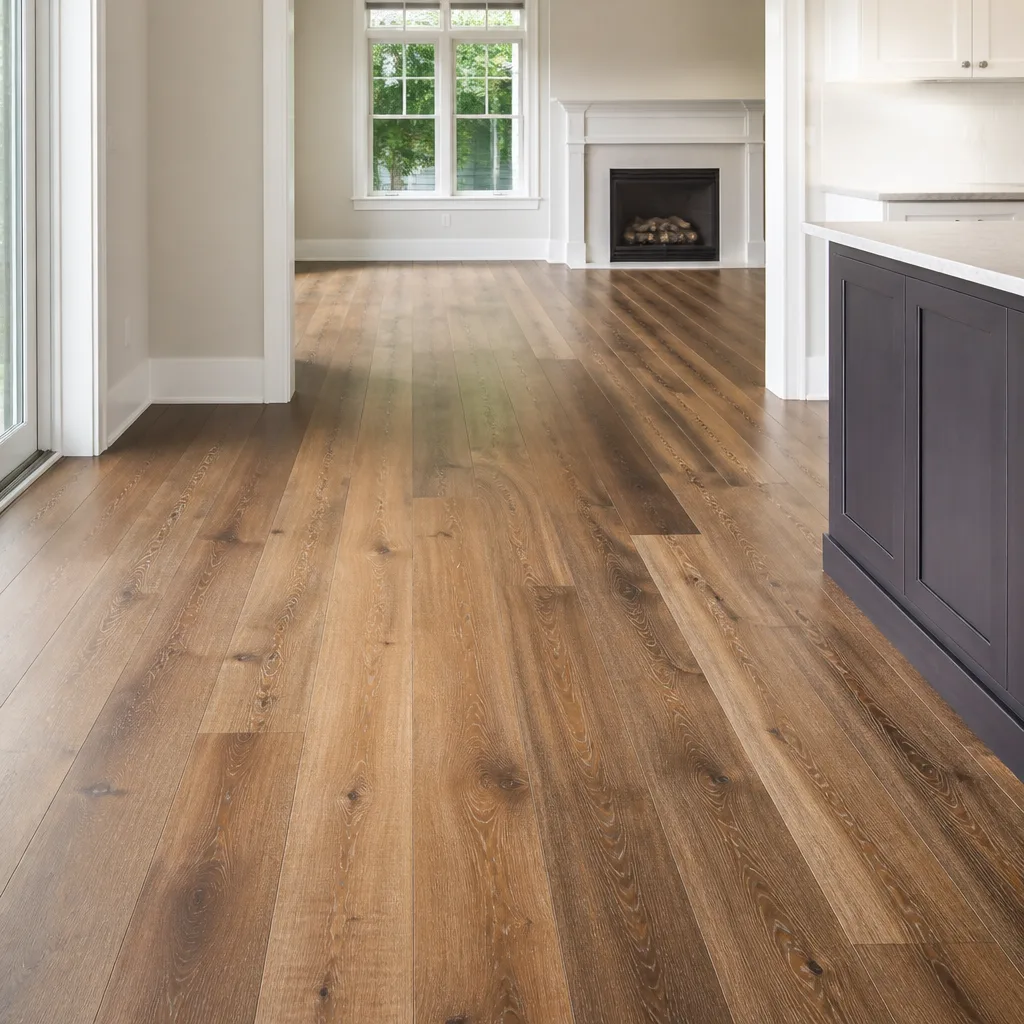 Engineered hardwood
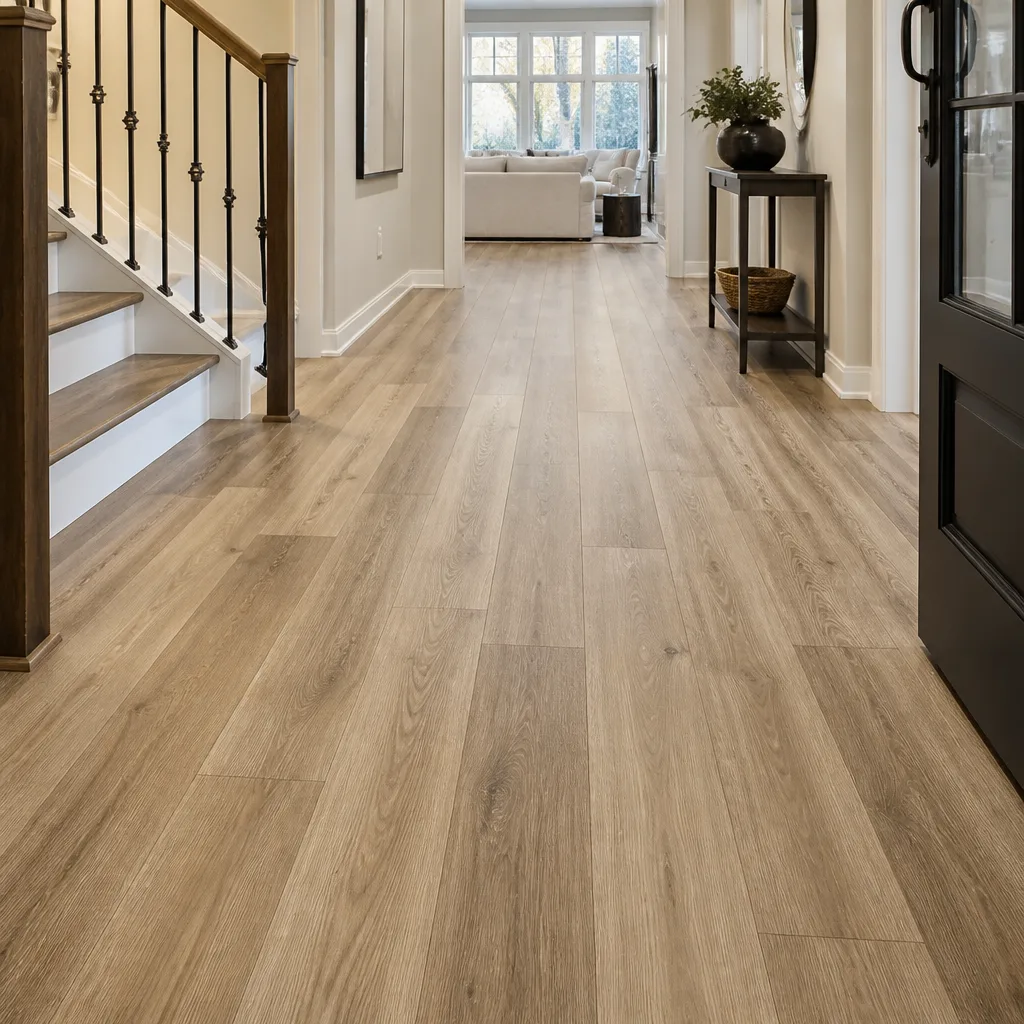 Luxury vinyl plank
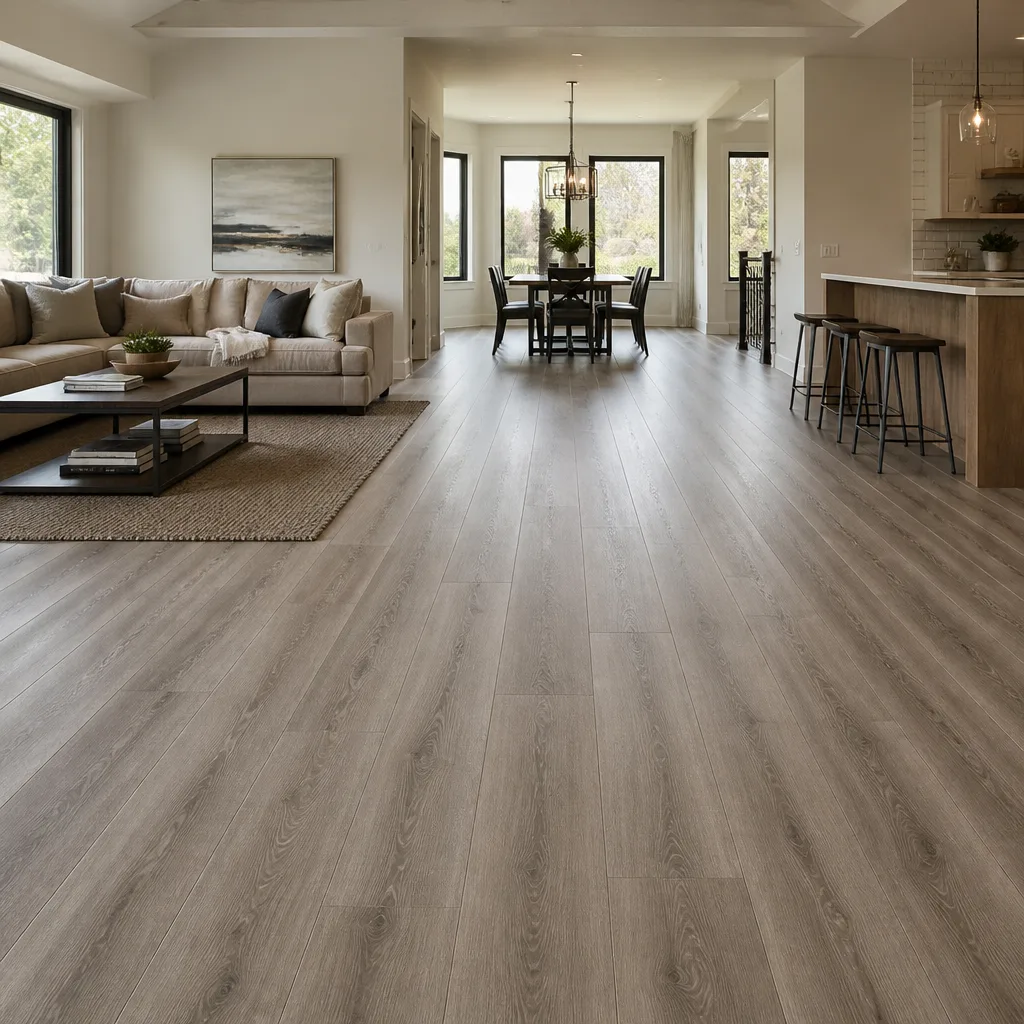 Laminate
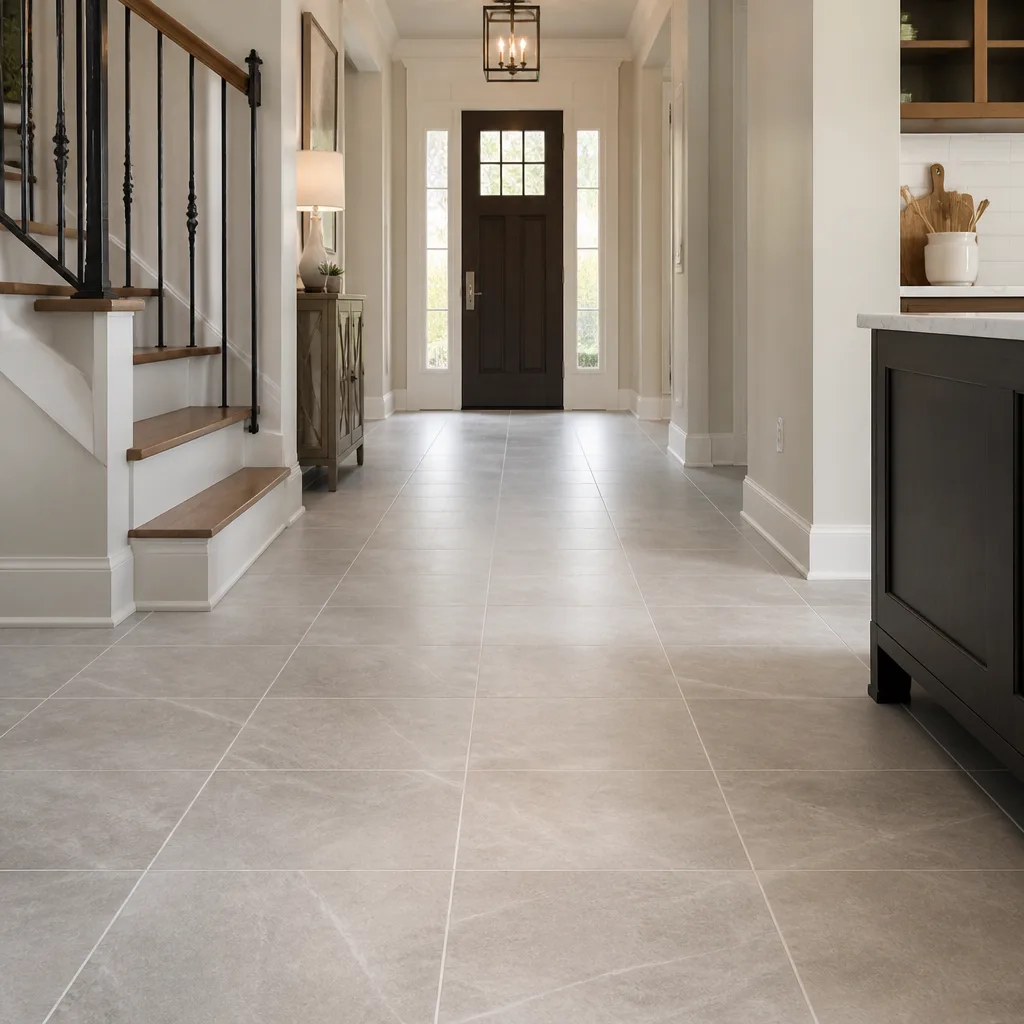 Porcelain tile
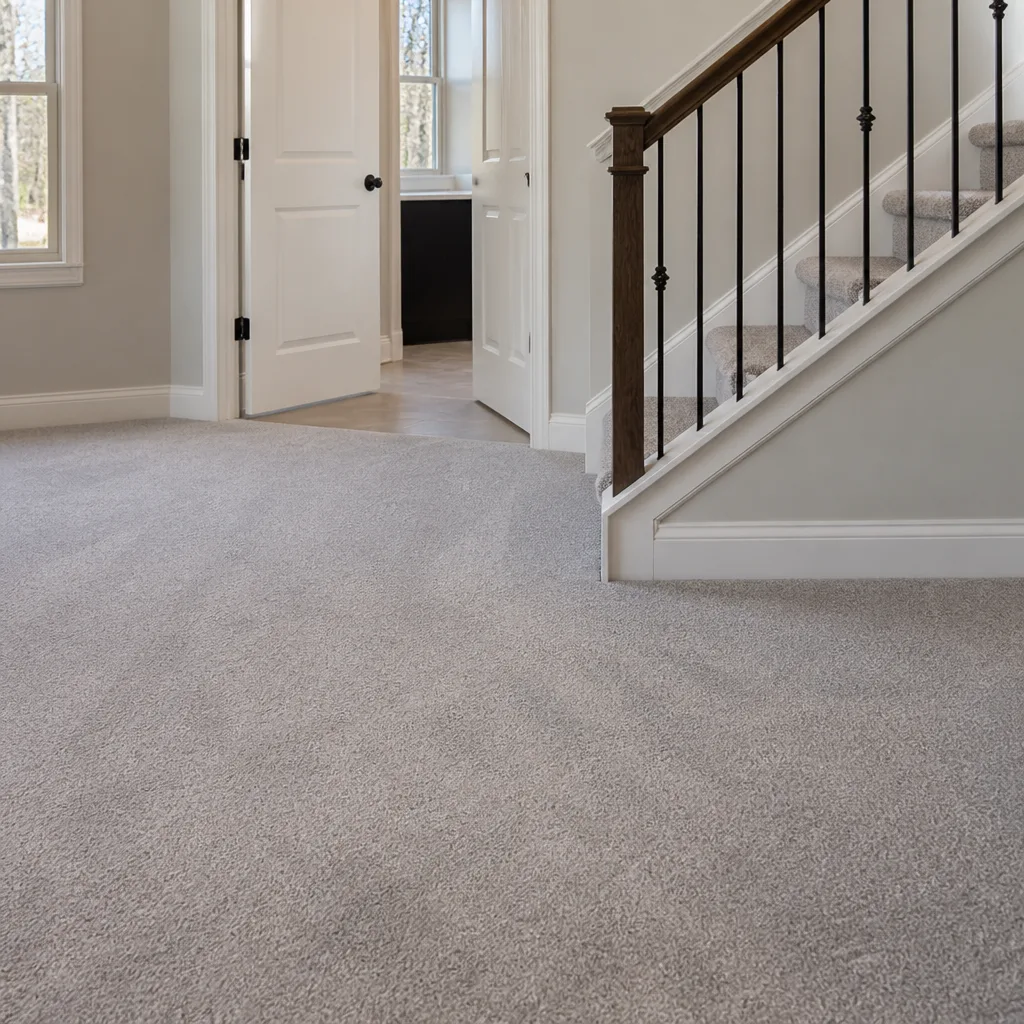 Carpet
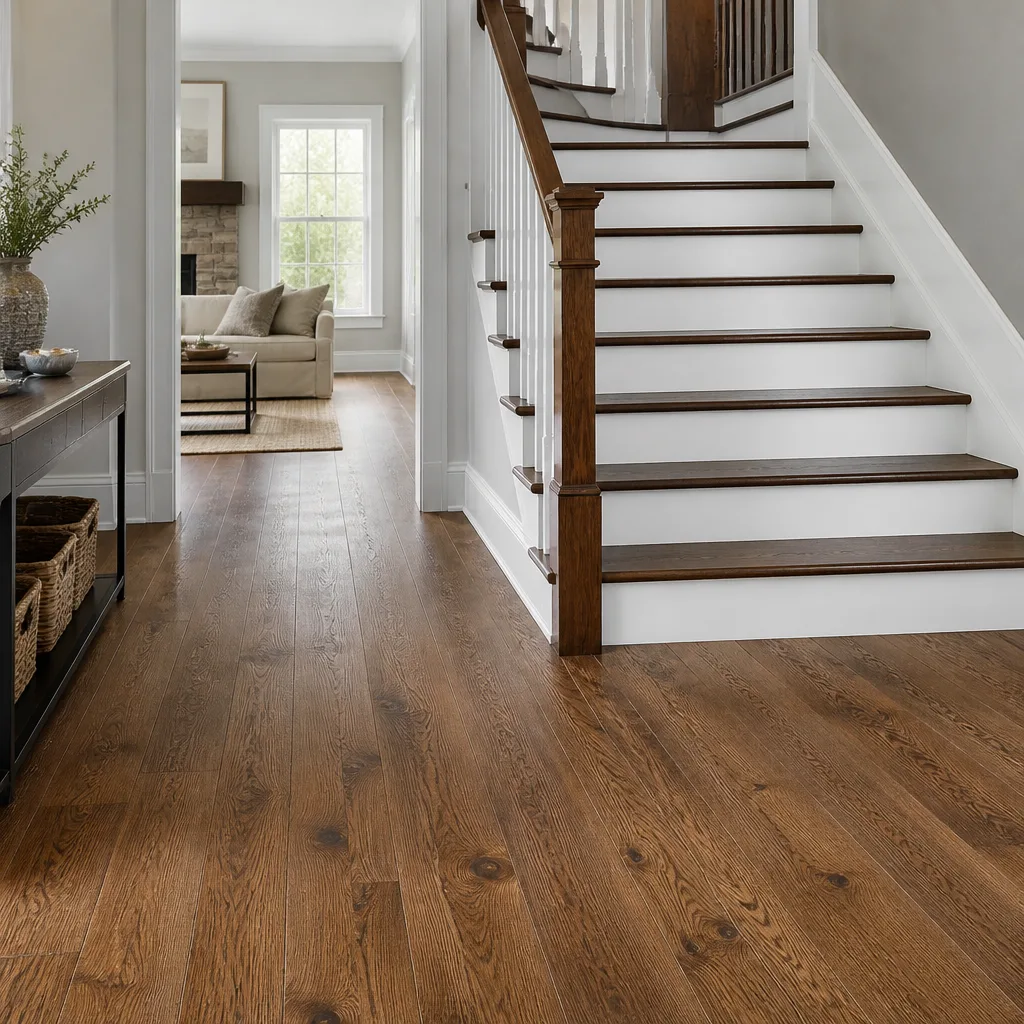 Shaw
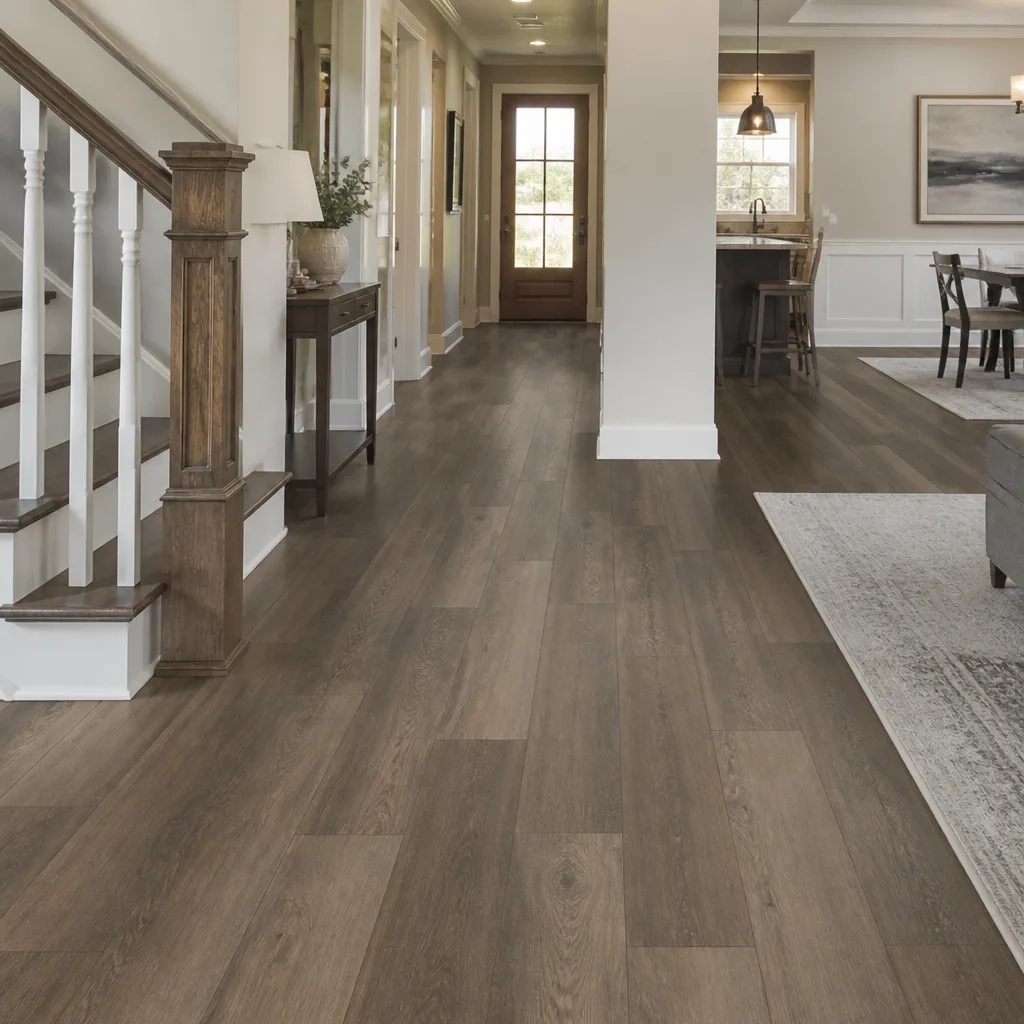 Mohawk
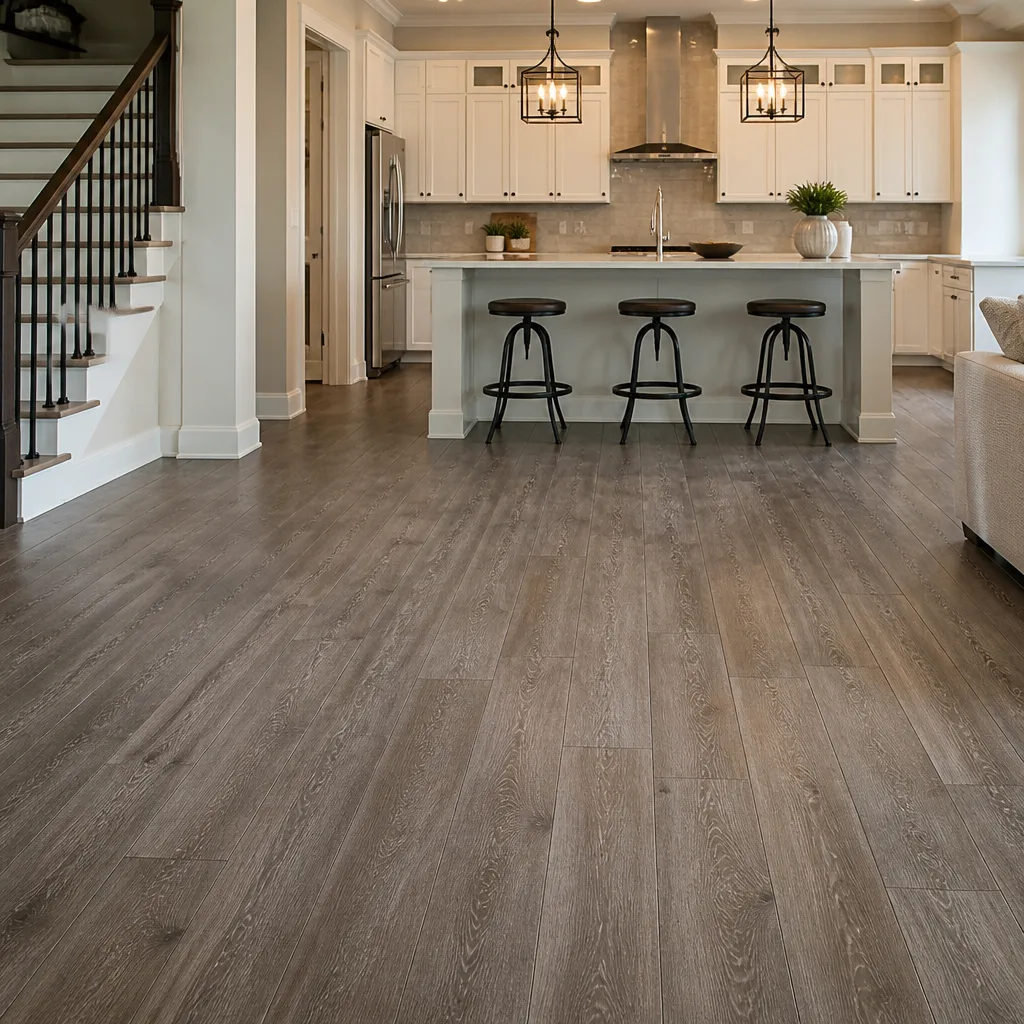 COREtec
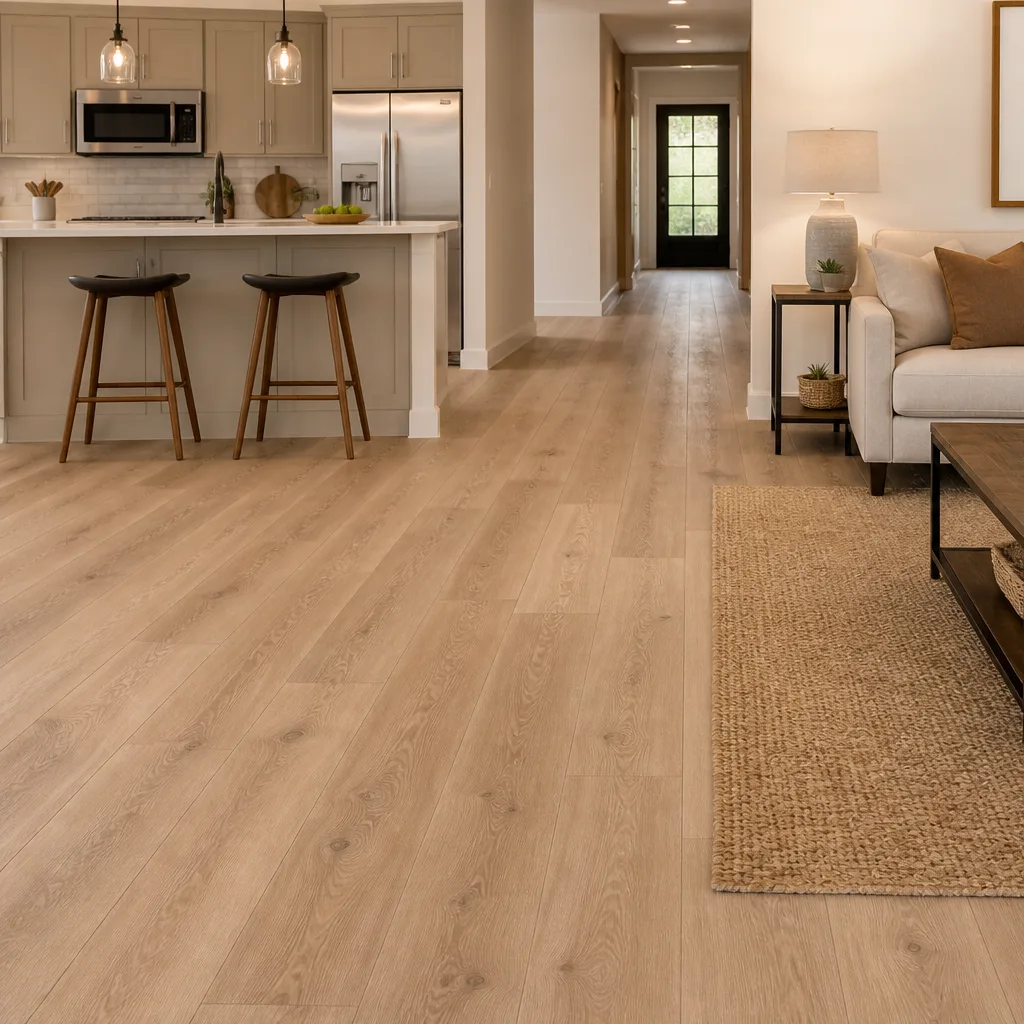 Pergo
Free in-home measure and written estimate: Shaw, Mohawk, COREtec and Pergo lines compared on your own rooms, with carpet, tile, vinyl plank, laminate and hardwood laid out side by side
Get your free estimateThe Complete Guide to Flooring in Enterprise
Every flooring guide you’ve read was written for a homeowner in a city that doesn’t exist. A place with mild seasons, average humidity and a house built in some unspecified decade. Enterprise isn’t that place. It sits on desert caliche, gets a punishing run of summer heat and sun, and grew up fast during the 2000s building boom. Each of those facts changes what floor makes sense for your home, how it’s installed and how long it lasts. We’re Floors Enterprise, and this guide breaks down how flooring actually behaves in Enterprise, from carpet to tile to hardwood, so you can choose with your eyes open.
Quick Answer
Flooring in Enterprise, NV, works best when you match the material to our desert climate and your home’s construction era. Carpet suits bedrooms, tile handles entries and wet zones, and engineered or properly acclimated hardwood can live comfortably here when a skilled installer accounts for heat and dry air. The right floor for how you actually live beats the most expensive product every time.
Styles & brands we work with
- Hardwood
- Engineered hardwood
- Luxury vinyl plank
- Laminate
- Porcelain tile
- Carpet
- Shaw
- Mohawk
- COREtec
- Pergo
Table of Contents
- How Enterprise’s Climate Affects Your Flooring
- What 2000s-Boom Homes in Enterprise Mean for Installation
- Which Flooring Categories Perform Best in Desert Homes
- Buying Flooring vs. Buying Flooring Expertise
- A Room-by-Room Priority Framework for Enterprise Homes
- What a Professional Installation Actually Involves
- Restore Before You Replace: Hardwood Refinishing
- Nine Brands, One Specialist
How Enterprise’s Climate Affects Your Flooring
Enterprise sits in the Las Vegas Valley, and that means two things for floors: intense sun and very low humidity. Both work on your flooring every day, quietly, and the effects show up years after installation. The materials that tolerate this swing well are the ones chosen and installed with the climate in mind, not the ones picked purely on looks.
Wood moves. It always has. In a humid climate, wood absorbs moisture and expands. In our dry air, it releases moisture and contracts. When the indoor humidity swings between summer cooling season and the rest of the year, solid and engineered wood both respond. A floor installed tight with no room to move can cup, gap or squeak as the seasons turn. Installers in Enterprise plan for that movement with expansion space at the walls and by letting the material settle to the home’s conditions before it goes down.
Adhesives and grouts feel the heat too. A tile floor set in a garage-facing room or a sun-baked great room with west-facing windows gets warmer than the rest of the house. Adhesive and grout have to handle that without cracking or letting go. That’s one reason floor prep and product selection matter as much as the material itself.
Sun exposure is the other half of the story. Rooms with large windows facing the afternoon sun take a beating on carpet, vinyl and wood finishes alike. That’s why a conversation about window treatments often belongs in the same breath as a flooring conversation.
For anyone choosing a floor in Enterprise, the takeaway is simple: pick a material suited to dry heat and sun, and make sure your installer is accounting for how the home actually lives.
What 2000s-Boom Homes in Enterprise Mean for Installation
A large share of Enterprise housing went up during the 2000s construction boom. Those homes share a set of characteristics that installers encounter again and again, and knowing them before you buy saves surprises during installation.
Many boom-era homes have concrete slab subfloors on the ground level. Slab on grade is common here, and it brings its own rules. Concrete takes on moisture from the ground, it can be uneven from the pour, and it holds a chill or a warmth that changes how a floor feels underfoot. A proper installation checks the slab, addresses flatness where it matters, and selects a product and method that work over concrete. This is one reason we ask questions about your home’s age and layout at the estimate stage rather than guessing.
Boom-era homes often have tile entries that transition to carpet or wood in the living space. Those transitions are a spot where cheap installs show their seams and where careful installs disappear into the design. The same goes for the bonus room over the garage common in two-story layouts here: a room with its own temperature, its own subfloor and its own flooring needs.
Add in drywall, framing and just plain time, and you get a housing stock that’s ready for a floor refresh but not necessarily a blank canvas. That’s fine. It just means installation craft matters more than product marketing when your home has some years on it.
Which Flooring Categories Perform Best in Desert Homes
Not every category fits every Enterprise home. Here’s how the main options stack up when desert heat, dry air and 2000s-boom construction are in the picture.
- Carpet remains the practical choice for bedrooms and upstairs rooms. It’s soft, warm underfoot, quieter and easier to replace in a single room. In dry heat, modern synthetics hold up well, and quality backing matters for longevity. Our carpet installation service covers the room types where carpet genuinely belongs.
- Tile is a natural fit for entries, kitchens, bathrooms and laundry rooms. It stays cool underfoot, handles sun and temperature swings, and won’t care about our dry air. Porcelain and ceramic tile from a brand like Daltile bring durability and design range. See our tile flooring installation page for how we approach tile work.
- Hardwood and engineered hardwood can live comfortably in Enterprise when the material is suited to the climate and installed with movement in mind. Engineered wood is often the more stable choice in a home with real humidity variation; both types benefit from being conditioned before installation.
- Luxury vinyl plank (LVP) is water-resistant, meaning splashes and spills clean up easily, though standing water and moisture from below still need to be handled. Brands like COREtec and LifeProof are worth comparing for active households, families and pet owners.
- Laminate and hybrid floors offer a middle path: durable surfaces with a range of looks, installed with attention to moisture and temperature.
If you’re comparing products across categories, one trip with a specialist beats five trips to five showrooms. Our Floors Enterprise team walks you through the tradeoffs on cost, comfort and longevity.
Buying Flooring vs. Buying Flooring Expertise
Here’s the part of the guide most buying guides skip: your flooring’s lifespan is decided more by installation than by the product on the label. That’s a hard idea to swallow when every store is selling the same brands at similar prices. But it’s true, and it’s why we position ourselves as a flooring specialist rather than a product vendor.
What does flooring expertise actually mean in practice?
- Material selection matched to your home. A specialist asks about your subfloor, sunlight, pets, kids and daily habits before recommending a floor. A store asks what color you like.
- Correct prep and acclimation. A floor installed before it has settled to the home’s temperature and dryness will move after installation. We treat acclimation as a scheduling step, not a suggestion.
- Installation craft. Transitions, edges, cuts and seams are where a floor either lives up to its promise or doesn’t. Same board, different result depending on the hands installing it.
- One point of responsibility. When carpet, tile and hardwood refinishing all live under one specialist, you’re not coordinating three trades or chasing down who’s responsible for what.
Brand-quality materials, professional installation: that’s the combination. Both matter. Neither alone is enough.
A Room-by-Room Priority Framework for Enterprise Homes
Enterprise homes have a recognizable rhythm: open great rooms, tile entries, and a bonus room or loft over the garage. Here’s how to prioritize a whole-home flooring plan around that layout without overcomplicating it.
- Entry and transition zones: start with tile. Entry tile sets the tone and handles the transitional traffic. This is where a professional tile install earns its place.
- Open great rooms and living areas: choose based on lifestyle. Hardwood or engineered wood makes a design statement; LVP suits active households with pets; tile with a large-format layout offers a clean, consistent look in a big space.
- Kitchen and laundry: tile, tile, tile. Water resistance and easy cleanup are non-negotiables in these rooms.
- Bedrooms and upstairs: carpet remains the natural choice for comfort, quiet and warmth. It also gives you an easy way to phase a flooring project room by room.
- Bonus rooms over the garage: a room with its own temperature and subfloor deserves its own plan. LVP, laminate or engineered wood all work here when installed with the room’s conditions in mind.
Planning a single phased project rather than three separate ones saves both money and disruption. A specialist can sequence the work so you’re not moving furniture twice.
What a Professional Installation Actually Involves
If you’ve ever wondered whether the installer actually did everything they should, here’s what the process should look like. Not every install is identical, but the shape is the same.
- Free in-home measure and estimate. We look at the room, the subfloor, transitions and sunlight, and we ask how the space gets used.
- Product selection. You compare options across categories and brands with someone who works with all of them, not one.
- Written estimate. The written estimate sets the final price. That written number is what you’ll actually pay.
- Scheduled install day. Your installation is booked around the acclimation and preparation the material needs. We don’t promise same-day installs, and we don’t promise a fixed arrival time; the schedule is set at the estimate.
- Installation. Prep, layout, transition and edge work, finished with cleanup and walkthrough.
Notice the first step isn’t money. It’s the estimate, and the estimate is free. For a homeowner in Enterprise who’s ready to price rather than ready to buy, that’s exactly the right starting point.
Restore Before You Replace: Hardwood Refinishing
Hardwood that’s dull, scratched or dated doesn’t always need to go. Refinishing a hardwood floor removes the worn top layer, sands it smooth and applies a fresh finish, restoring the wood you already have. It’s the same floor, brought back to life, often at a fraction of the cost of replacement, and it keeps good wood out of the landfill.
Not every floor can be refinished. The result depends on the thickness of the wood and its overall condition, and we check both at the estimate visit. If the wear layer is too thin or the wood has structural problems, refinishing may not be the right call. Stains and finishes vary, and we’re upfront that a stain won’t always match a sample exactly once it’s on your floor.
For homeowners in Enterprise who love their existing hardwood, refinishing is a service many flooring retailers simply don’t offer. Restore before you replace is our default recommendation when the wood supports it.
Nine Brands, One Specialist
Flooring is a category where brand actually matters, but not in the way marketing departments want you to believe. Brands matter because they give you a reliable starting point for quality and design range within a budget. What matters more is having one specialist who carries all of them and can compare them honestly.
That’s the model we run at Floors Enterprise. Nine brands, one specialist. Carpet, tile and hardwood refinishing under one roof:
- Carpet: Shaw, Mohawk, Mannington and others bring a range of textures and performance tiers.
- Tile: Daltile offers professional-grade porcelain and ceramic options for entries, kitchens and baths.
- Luxury vinyl: COREtec and LifeProof address the water-resistant, pet-friendly end of the market; Karndean covers the design-forward artisan end.
- Hardwood and laminate: Armstrong and Pergo bring long-standing reputations for wood-look and wood-core options.
From carpet to tile to hardwood, covered: that’s the whole-home benefit of a single specialist. When you’re planning a project in Enterprise, this is what shopping with a specialist actually feels like on the customer side.
Common Mistakes to Avoid
- Buying on price per square foot alone. The cheapest board installed poorly costs more over the years than a mid-range board installed right.
- Skipping the subfloor conversation. Concrete slab and uneven subfloors are common in Enterprise’s 2000s-era homes. Prep isn’t optional; it’s part of the job.
- Ignoring sunlight and heat when choosing a material. Rooms with a lot of afternoon sun can fade or age finishes faster than the rest of the house. Choose with that in mind.
- Treating “waterproof” as “no maintenance.” Water-resistant floors handle spills, but standing water and moisture from below still have to be dealt with.
- Replacing hardwood when refinishing would work. Thick, sound hardwood can often be restored. Get it checked before you buy new.
- Coordinating three separate trades for a whole-home project. One specialist for carpet, tile and refinishing means fewer moving parts and fewer delays.
- Choosing before you’ve had an in-home measure. A showroom look under fluorescent lights is not the same as looking at the material in your own room.
See the difference
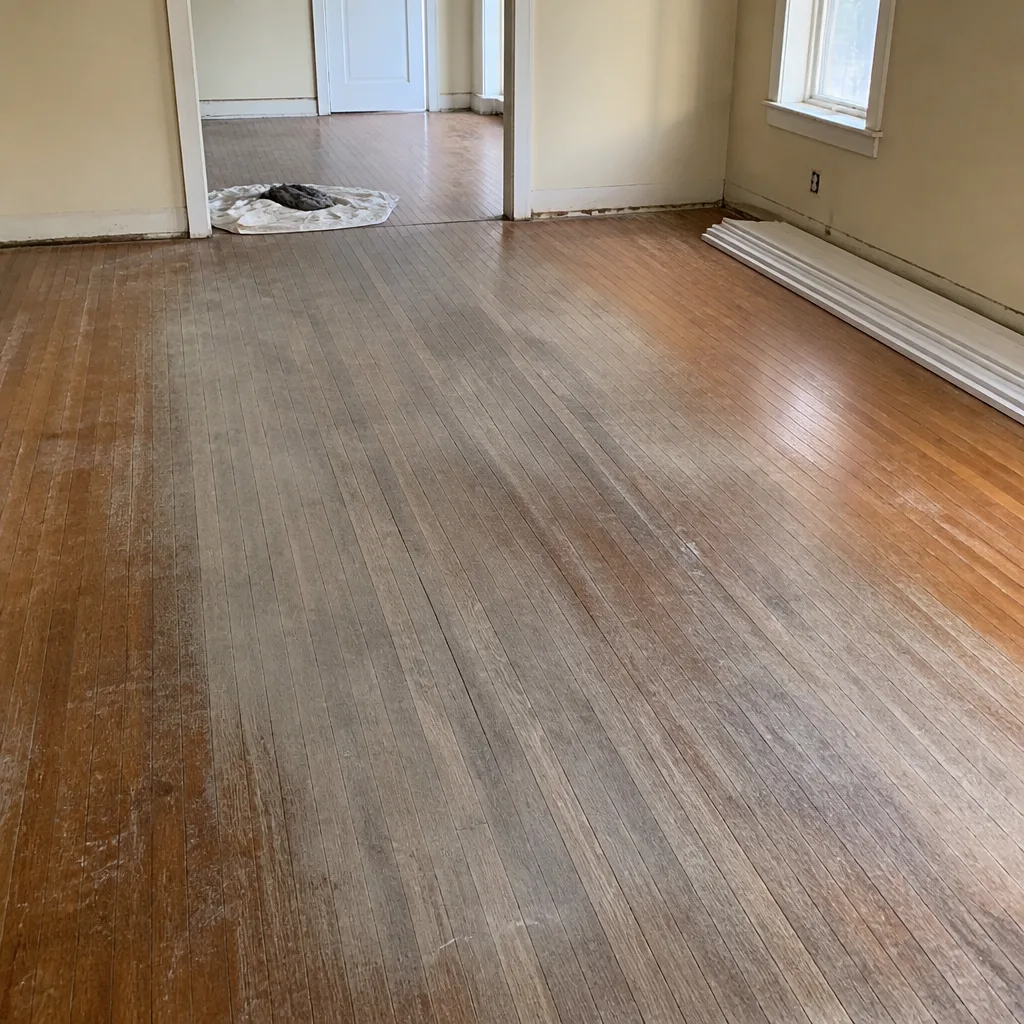 Before
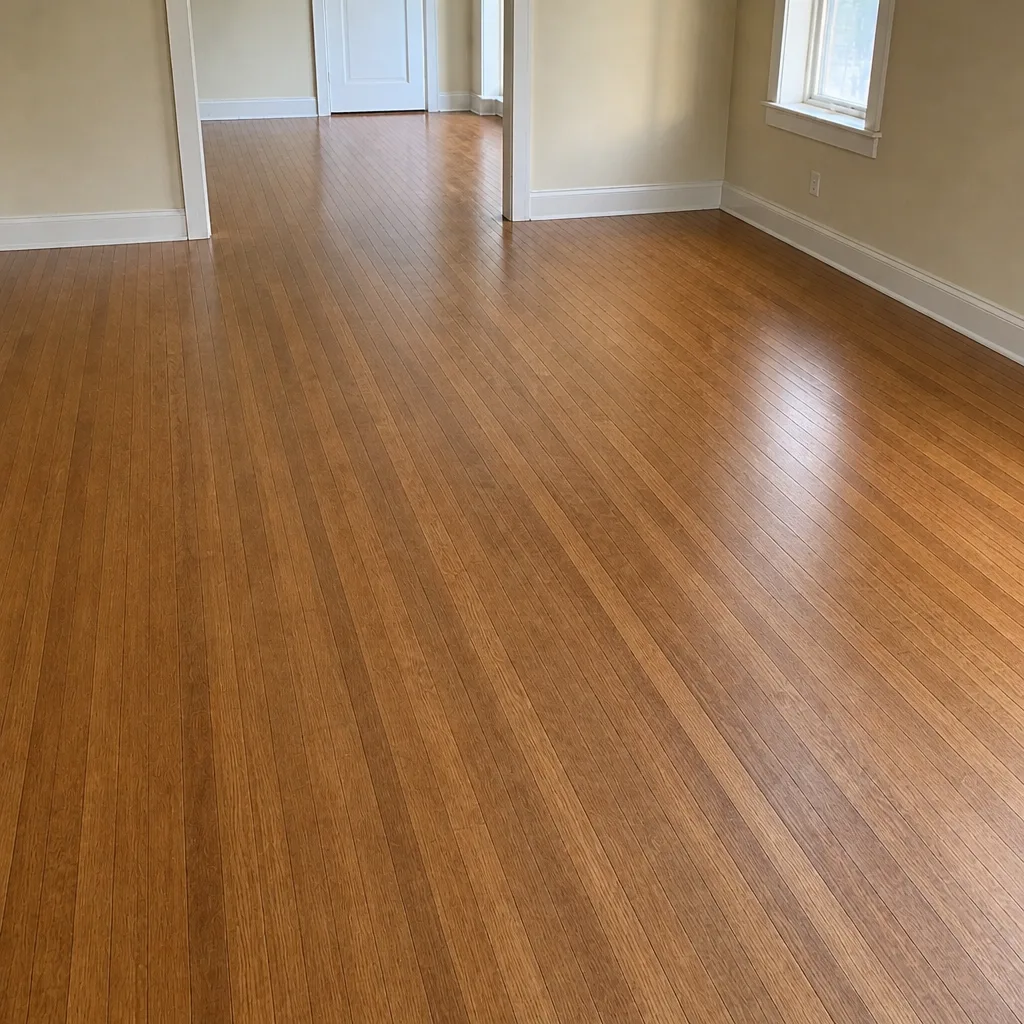 After
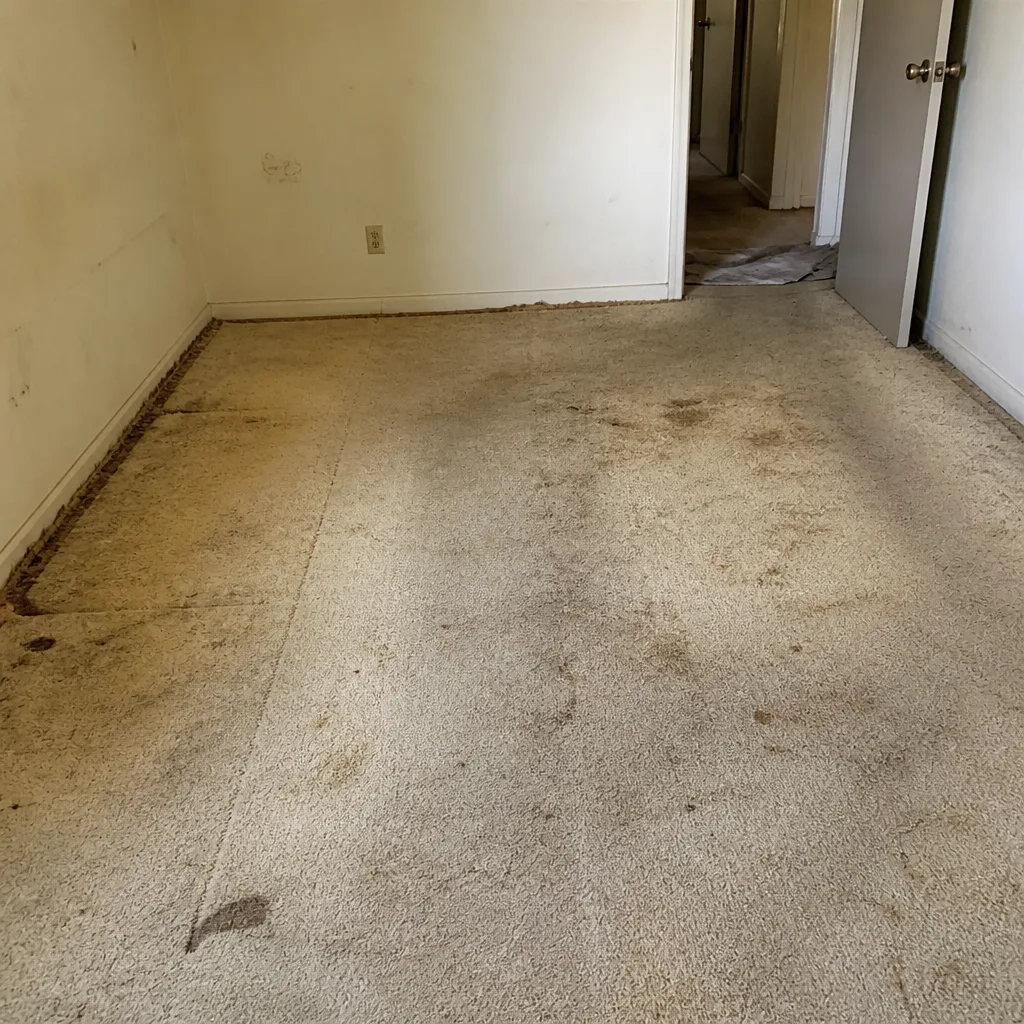 Before
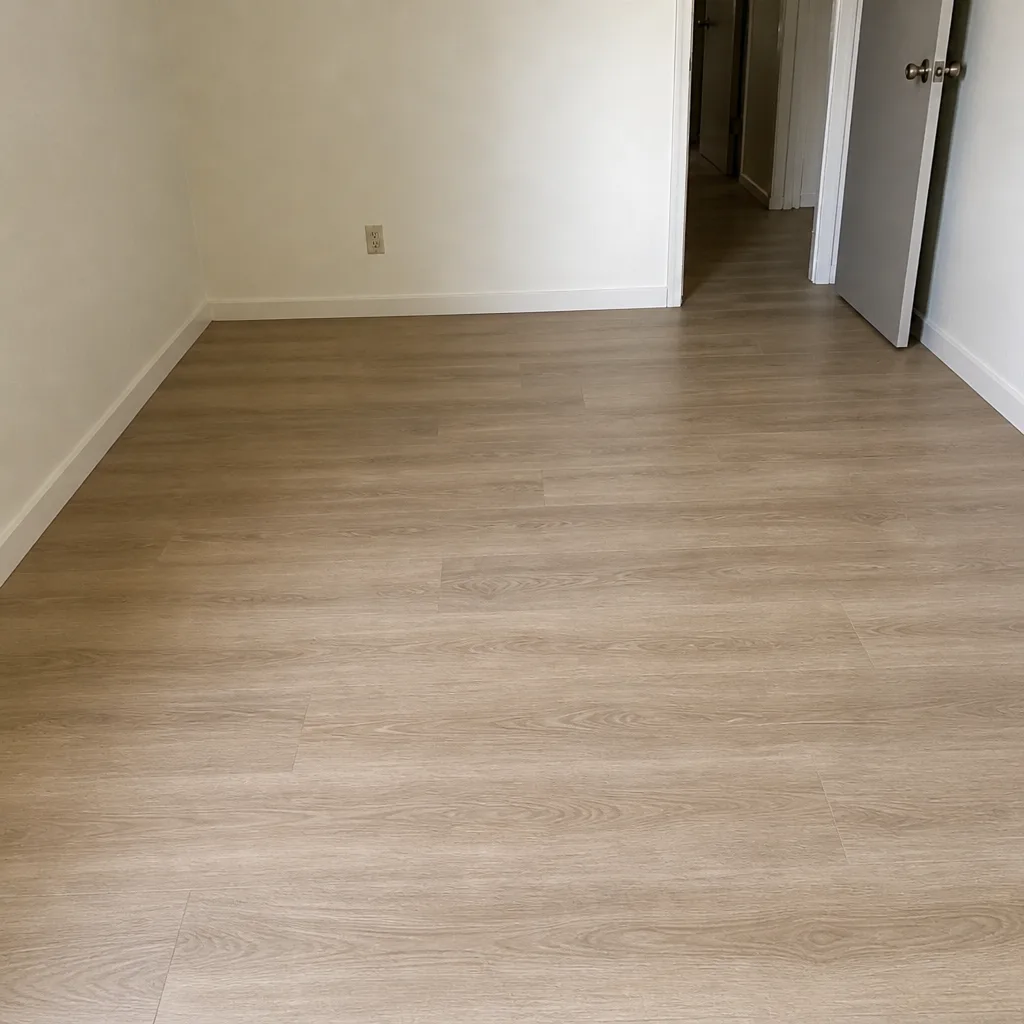 After
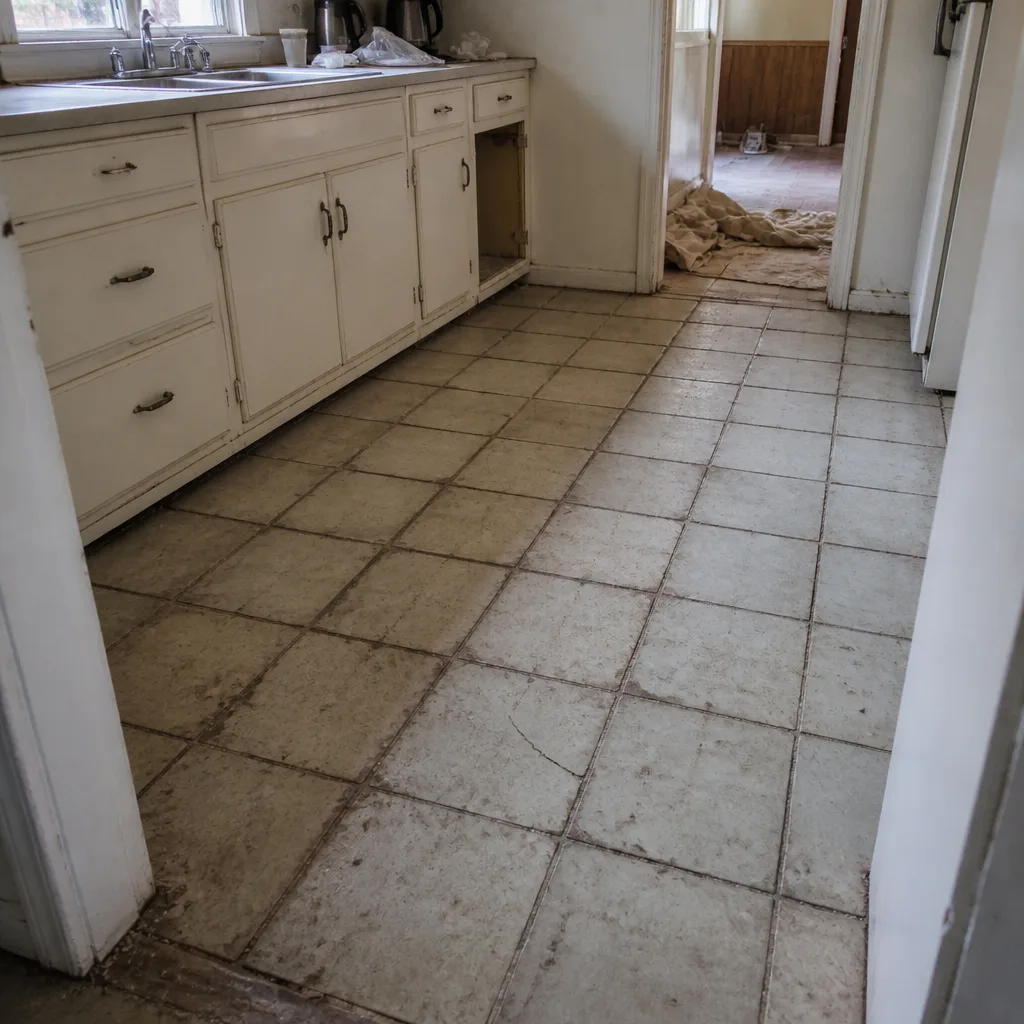 Before
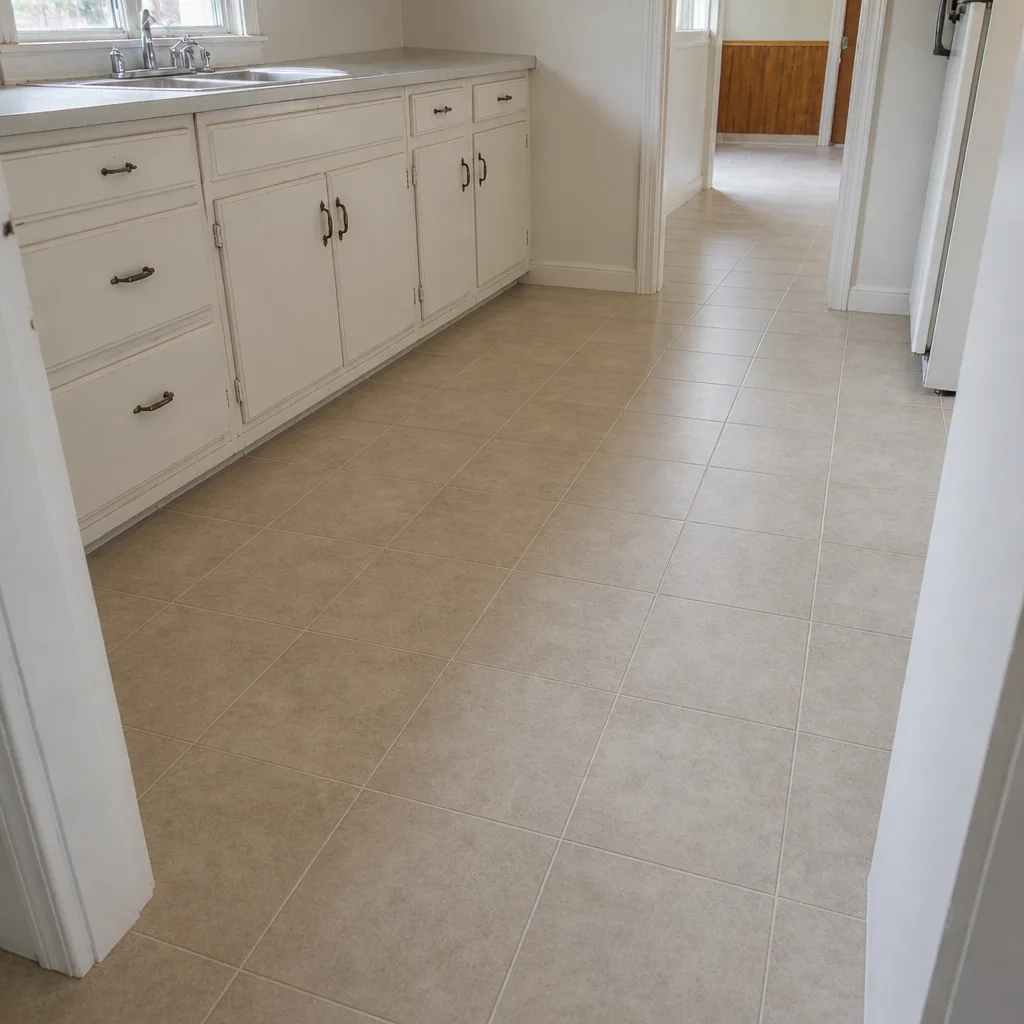 After
When to Call a Professional
Some flooring work is worth a call. If your hardwood has cupped, gapped or lost its finish, refinishing is a job for a specialist, not a weekend sander rental. If you’re planning a tile install in a bathroom or kitchen, prep and layout are where water damage and cracked joints begin; do it right once. If your subfloor is concrete slab, uneven or unfamiliar, an in-home measure is the right first step.
If your existing flooring is failing at the seams, if there’s a soft spot or a smell, or if you just don’t know what’s under the old floor, that’s a conversation worth having before you buy. And if you’re planning a whole-home project across multiple rooms, a single specialist will save you time and headache. Floors Enterprise offers free estimates in Enterprise. Call (844) 320-5894 to schedule yours and get a written quote you can compare.
Frequently Asked Questions
There’s no single best floor, but tile and water-resistant LVP handle our desert climate and daily life well, with carpet still the sensible choice for bedrooms. The right answer depends on the room, your household and your subfloor, which is why an in-home measure helps. Call (844) 320-5894 for an exact recommendation and a free estimate.
Yes, hardwood and engineered hardwood can live comfortably in Enterprise when the material is suited to the climate and installed with movement in mind. Acclimation and expansion room at the walls matter as much as the board itself. Call (844) 320-5894 to talk through hardwood options for your room.
Flooring costs vary by material, room size and prep work, and we don’t quote per-square-foot prices on this page because the range depends on your specific job. The written estimate sets the final price, and the in-home measure and estimate are free. Call (844) 320-5894 to schedule yours and get a number you can trust.
Refinish if the wood is thick and sound; replace if the wear layer is too thin or the wood has structural problems. That’s a judgment call made at the estimate visit, after we look at the floor. Call (844) 320-5894 to schedule a free estimate and find out which side your floor falls on.
Installation time depends on the material, room size, prep needed and acclimation requirements. Your installation is a booked job scheduled at the estimate, not a same-day promise. Call (844) 320-5894 to talk through timing for your rooms.
Yes, the in-home measure and estimate are free. We look at your rooms, your subfloor and your options, then put a written estimate in your hands. The written estimate sets the final price. Call (844) 320-5894. We answer 24/7. Fast dispatch from 7am to 7pm, Sunday through Friday.
Yes. We handle carpet installation, tile flooring installation and hardwood refinishing as core services, and we carry nine major brands, including Shaw, Mohawk, COREtec, Pergo, Daltile and Karndean. That’s one specialist instead of three. Call (844) 320-5894 to see the full range.
Many Enterprise homes from the 2000s boom have concrete slab subfloors and tile-entry-to-carpet transitions worth planning for. An in-home measure before you buy is the right first step. Call (844) 320-5894 to get a specialist out to your home.
The Bottom Line
Enterprise isn’t a generic suburb, and your flooring shouldn’t be treated like one. Desert heat, dry air, caliche soil and 2000s-era housing all shape which floor makes sense and how it should be installed. Carpet works where comfort and quiet matter. Tile handles entries and wet zones. Hardwood refinished well can outlast new wood. Water-resistant LVP serves active households and pet owners. And the specialist who compares all nine brands, measures your home, and writes the estimate you can trust matters more than the box the floor arrives in. That’s what flooring expertise buys you, and it’s why the right starting point is always the in-home estimate, not the price tag.
Call (844) 320-5894. We answer 24/7. Fast dispatch from 7am to 7pm, Sunday through Friday. We’re closed Saturday and available for your free estimate during the week. Ready to compare Enterprise flooring options with a specialist? Call (844) 320-5894 to schedule your free estimate.
Written by the team at Floors Enterprise.