
Last updated November 18, 2026
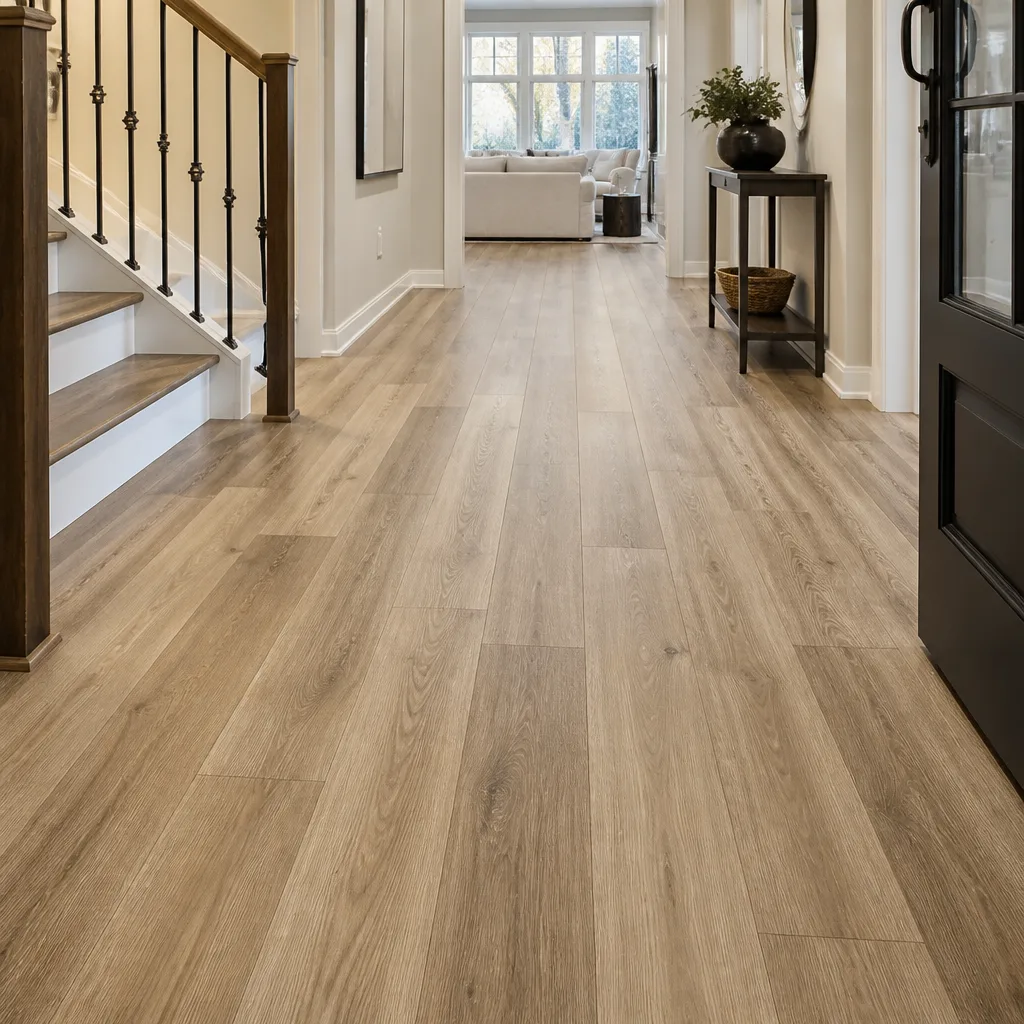 Luxury vinyl plank
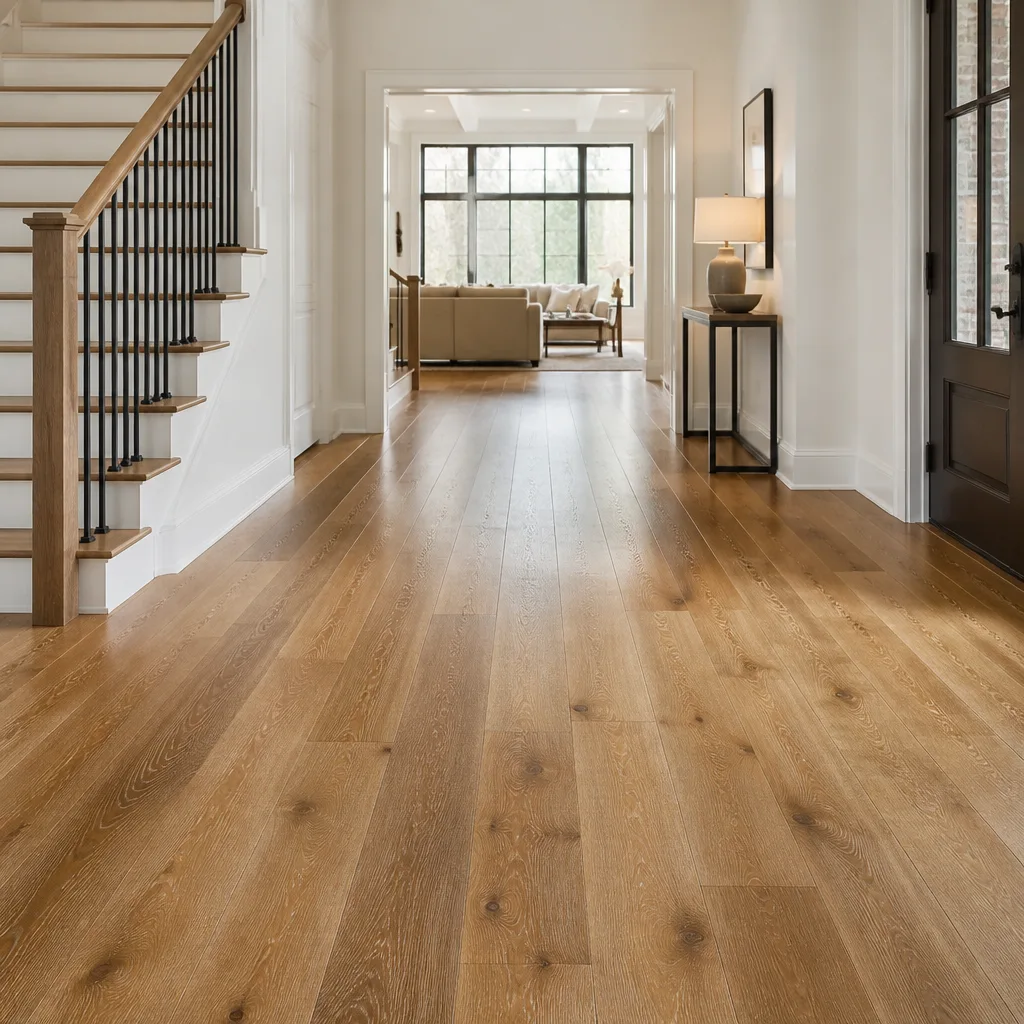 Hardwood
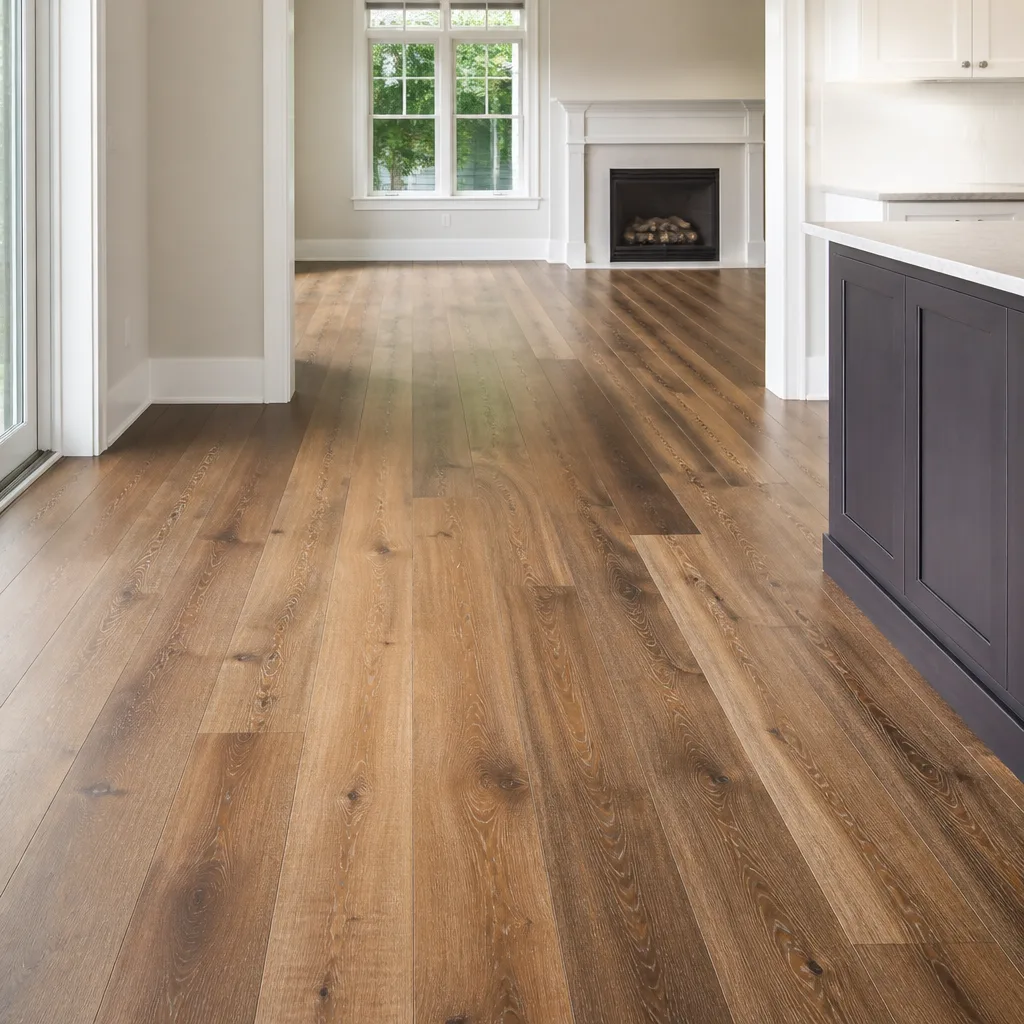 Engineered hardwood
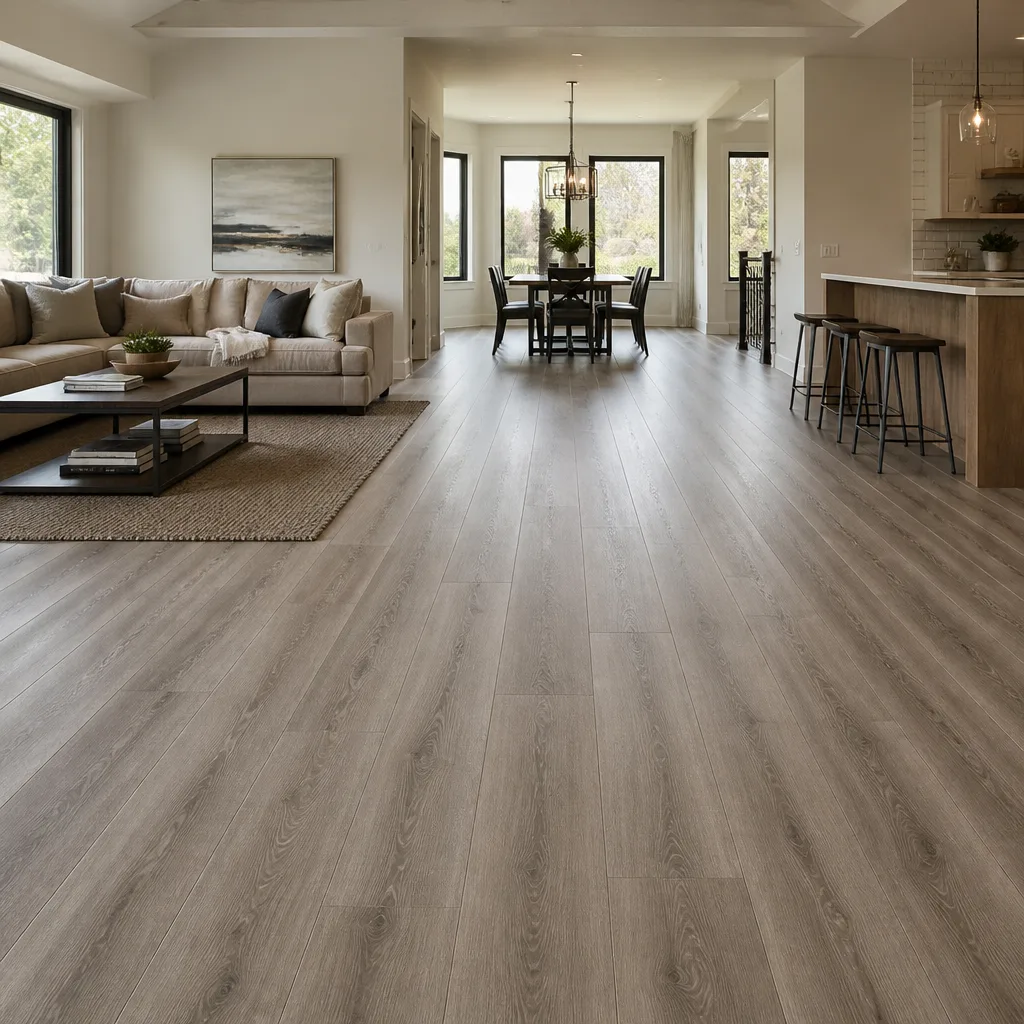 Laminate
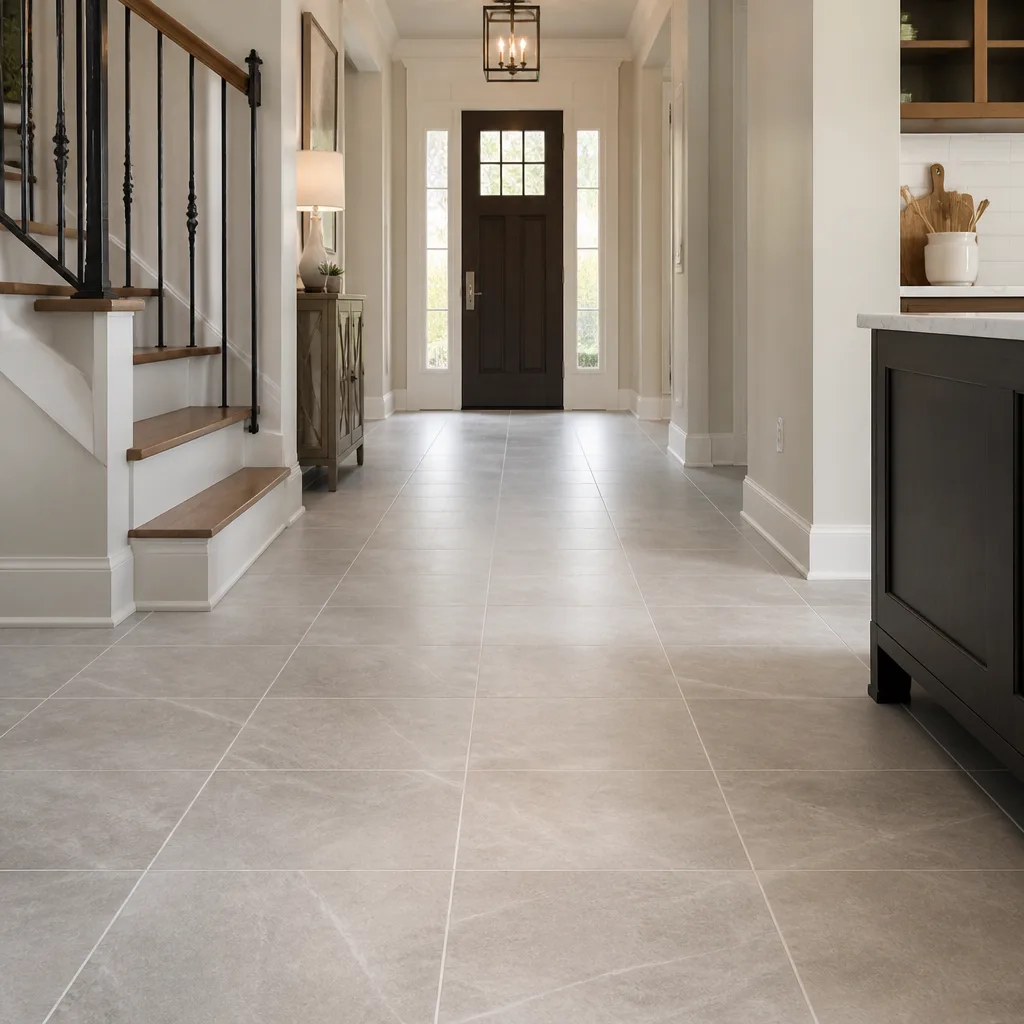 Porcelain tile
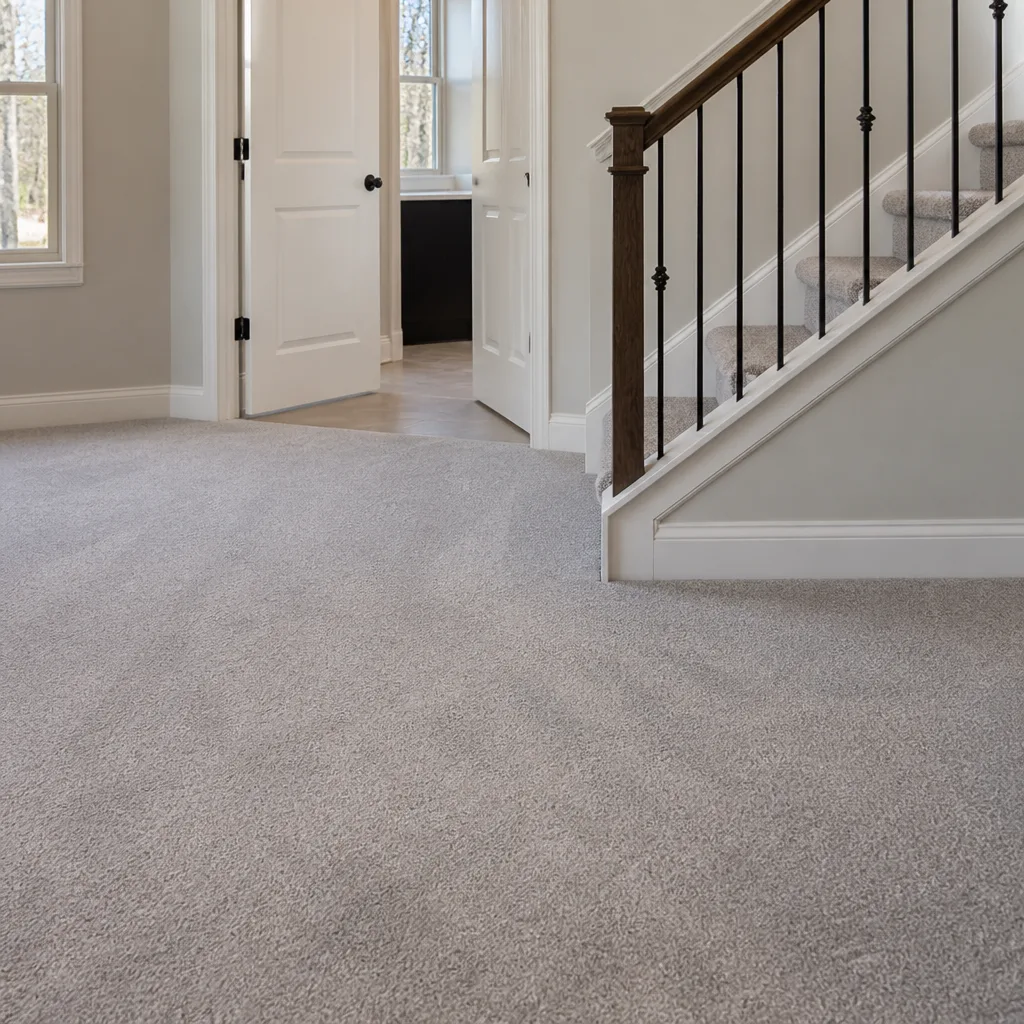 Carpet
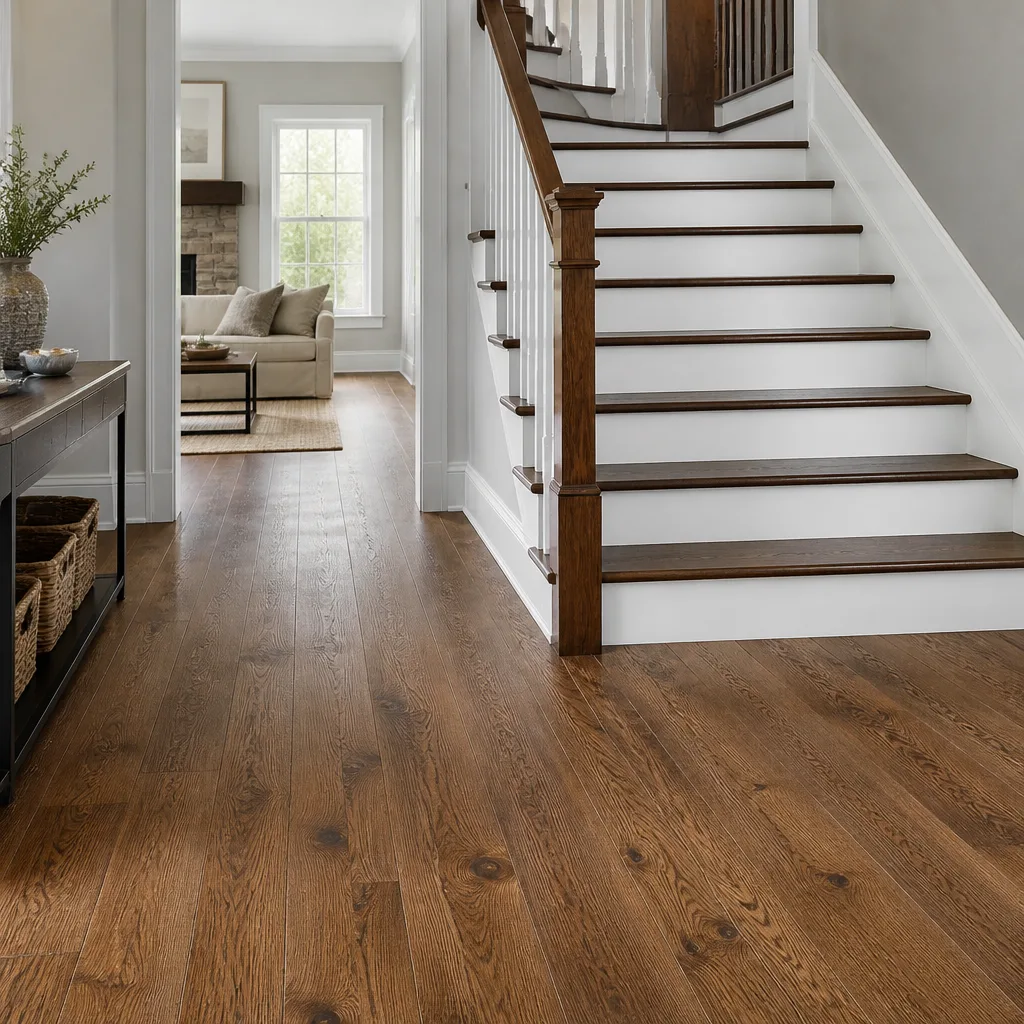 Shaw
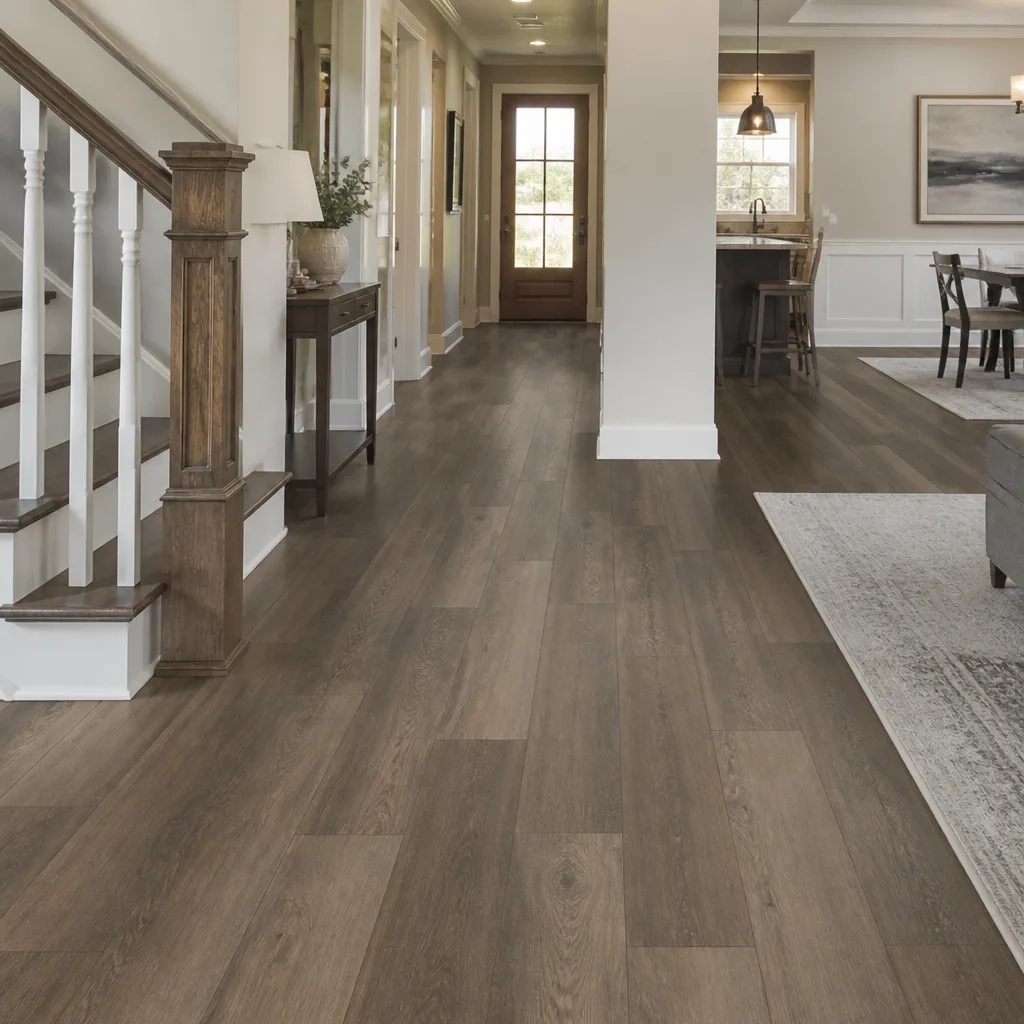 Mohawk
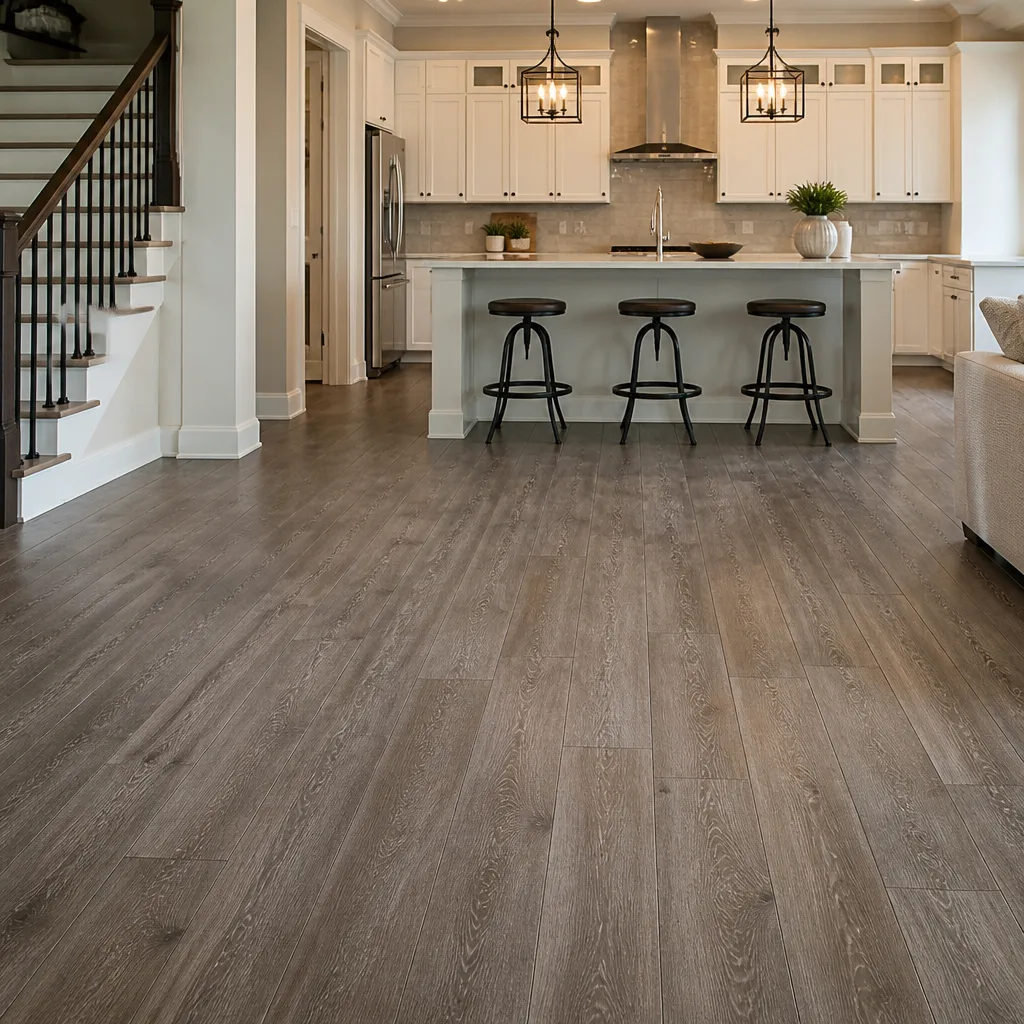 COREtec
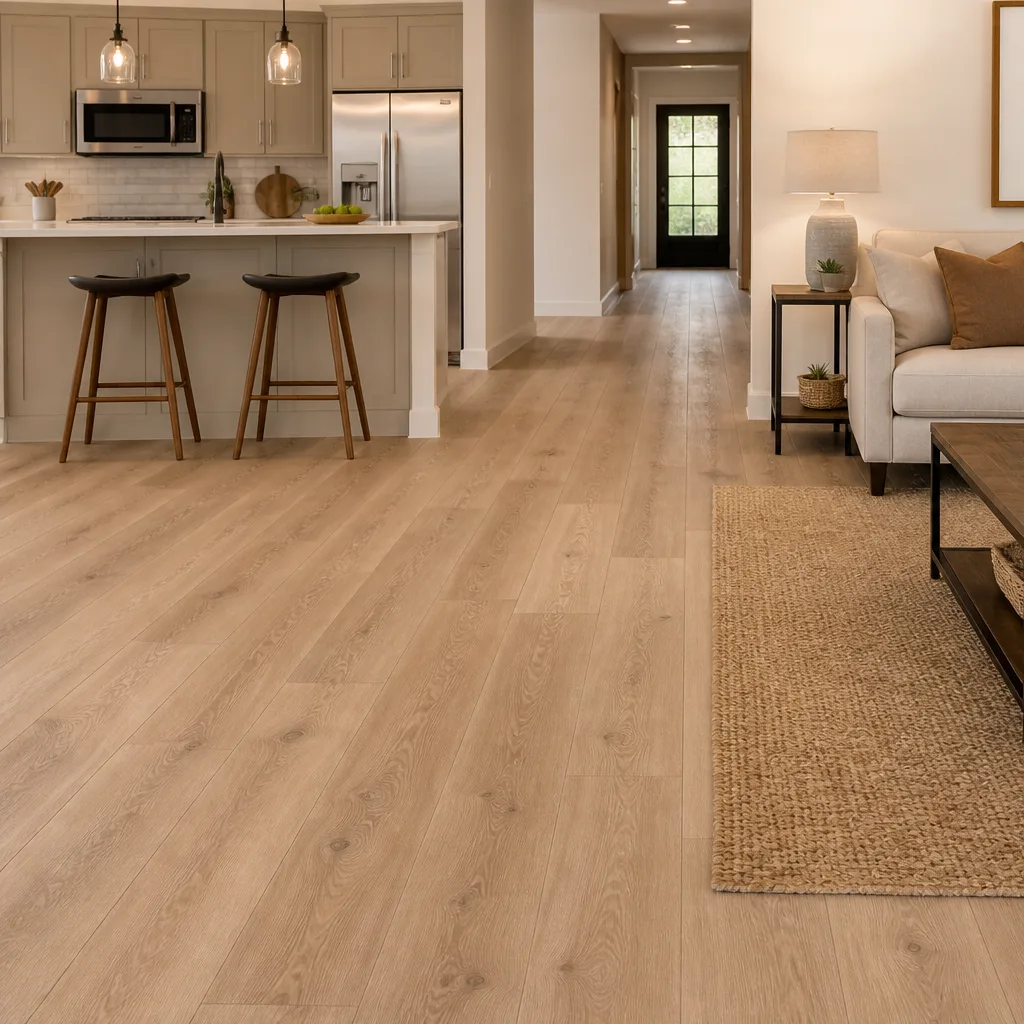 Pergo
Free in-home measure and written estimate: Shaw, Mohawk, COREtec and Pergo lines compared on your own rooms, with carpet, tile, vinyl plank, laminate and hardwood laid out side by side
Get your free estimateHardwood, Vinyl Plank, Laminate or Tile: How Enterprise Homeowners Decide
Most flooring advice online starts with a look. Pick the pretty one, then figure out the rest. That’s backwards, and it’s why so many Enterprise homeowners end up second-guessing a floor they chose six months ago. The material that photographs best on a design feed is rarely the material that holds up best in a real house, with real shoes, real pets, and a desert climate that treats every floor differently.
Here’s the part that surprises people: vinyl plank outsells hardwood by a wide margin nationally, yet that ratio flips in higher-end resale markets. Where your Enterprise home sits on that spectrum, and five other variables we’ll walk through, decide whether luxury vinyl plank is the smart call or the one you’ll wish you’d skipped. This guide gives you a decision matrix built on how you actually live, not on what’s trending. We’ll cover how each material behaves in Southern Nevada’s dry air and hot summers, what “wear layer” really means in years, and where real estate agents see hardwood add value versus where premium LVP is now accepted as an equal. Floors Enterprise installs and services all four categories, so we’ll keep this honest about the trade-offs each one carries.
Quick Answer
Enterprise homeowners should choose based on five variables, not aesthetics: subfloor type, moisture exposure, resale timeline, household traffic, and budget. Hardwood suits low-traffic rooms where you plan to stay and can handle acclimation in dry desert air; luxury vinyl plank (COREtec, LifeProof, Karndean) wins in kitchens, baths, pet-heavy homes, and tighter timelines; laminate sits in the middle for budget-conscious rooms; and tile is the durable, water-tolerant choice for entryways, laundry rooms, and anywhere grout lines make sense to you. The right floor is the one that matches your home’s real conditions and your life for the next several years.
Styles & brands we work with
- Hardwood
- Engineered hardwood
- Luxury vinyl plank
- Laminate
- Porcelain tile
- Carpet
- Shaw
- Mohawk
- COREtec
- Pergo
Table of Contents
- The Five-Variable Decision Matrix
- How the Desert Climate Treats Each Material
- What “Wear Layer Thickness” Actually Means in Years
- The Honest Resale Value Comparison
- Brand Tiers Within Each Category
- Restore Before You Replace: The Hardwood Option
- A Room-by-Room Recommendation
- What Flooring Costs in Enterprise
The Five-Variable Decision Matrix
The right flooring decision comes down to five variables that have nothing to do with which sample you liked on a screen. Work through them in order, and the material choice often makes itself.
- Subfloor type. What’s under your floor right now matters as much as what goes on top. A flat, solid subfloor opens up every option. A slab with slope or deflection narrows things, and some materials handle those conditions better than others. We check subfloor condition at the estimate visit because the product instructions and the written estimate set what’s required to prepare it.
- Moisture exposure. Kitchens, bathrooms, laundry rooms, and any room with a door to the outside see more moisture than a hallway or bedroom. LVP and tile handle moisture better than hardwood or laminate. Note that “water-resistant” isn’t “waterproof forever” – standing water and moisture coming up from below still have to be dealt with in any floor.
- Resale timeline. If you’re selling within a couple of years, choose for the buyer. If you’re staying put for a decade, choose for yourself. Those are often different answers.
- Household traffic. Kids, dogs, frequent guests, and a busy entry all bump the durability requirement up. A low-traffic formal dining room doesn’t need the most wear-resistant surface on the market.
- Budget. Be honest about the full number, not the square-foot sticker. Installation, prep, trim, and transitions all count. The written estimate sets the final price, so get it in writing before you commit.
Run these five for each room. It’s common for a whole Enterprise home to end up with two or three different materials, which is fine. A flooring specialist handles multiple surfaces in one project, so you’re not coordinating separate contractors. At Floors Enterprise, we walk through this matrix with you at the free in-home measure and estimate, then put a written price together.
How the Desert Climate Treats Each Material
Southern Nevada’s dry air and hot summers change how each material behaves, and this is where a lot of national flooring advice stops being useful. Valley homes see very low humidity most of the year and indoor temperatures that fluctuate hard when a house is closed up. Here’s how each category responds.
Solid hardwood and acclimation
Wood moves with moisture, and desert air pulls moisture out of it. Solid hardwood has to acclimate to your home’s conditions before installation, and in Enterprise’s climate that process matters more than it does in a humid region. The wood is brought into the home ahead of the install and left to settle so it reaches the moisture level of the living space. Skip that, and you can get gapping or cupping after the floor has been down a season. The exact acclimation time depends on the product and the home; the product instructions and the written estimate set it. Engineered hardwood behaves more predictably in dry air because of how it’s built, which is one reason it’s often a good fit here.
Tile and low-humidity grout
Tile itself is stable in dry heat. The grout is what needs attention. In low-humidity air, cement-based grout can dry faster than it cures, which is a threat to the joint. A tile installer who works in Enterprise regularly knows to control the room conditions during install and to recommend a grout and sealant approach suited to the climate. Sanded versus unsanded, sealed versus epoxy grout: those are product-and-project decisions, and they belong in the written estimate.
LVP and high-temperature expansion
Luxury vinyl plank expands and contracts with temperature swings. In a desert home where a room might bake while you’re away and cool down hard when the AC kicks back on, the installer has to leave the right expansion gaps at the walls and around fixed objects. COREtec and LifeProof are both part of our lineup specifically because they’re built for rooms where temperature changes live. Get the expansion space wrong and you get buckling at a seam. Get it right and the floor just sits there.
Laminate behaves somewhere between wood and vinyl. It’s more dimensionally stable than solid wood but still needs the room closed to its normal temperature before install and expansion room at the edges. If you’re weighing options in a new-build or a room that runs hot, tell us at the estimate so we can plan for it.
What “Wear Layer Thickness” Actually Means in Years
Wear layer thickness is the single most misunderstood number in flooring sales, and it’s the one that decides how long your LVP floor looks new. It’s the clear protective layer on top of the printed vinyl surface. Thickness is usually expressed in “mils” (thousandths of an inch), and the difference between a thin wear layer and a thick one is the difference between a floor that scuffs and dulls in a couple of years and one that hangs on far longer.
Here’s what the number means in real-world terms:
- Thin wear layers (the entry-level end of the market) sit in the budget tier. They work for a low-traffic rental or a rarely used room. In a busy kitchen with a dog, they’re the floor that shows it.
- Mid-grade wear layers are the mainstream residential choice. They handle a normal household, including kids and pets, without needing to be babied.
- Thick, trade-spec wear layers are the premium tier – the COREtec and Karndean end of the lineup. These are the floors you put in a home you’re going to live in for a long time and not think about.
What matters is matching the wear layer to the room, not buying the thickest one out of reflex. A bedroom doesn’t need the same wear layer as a mudroom. And a wear layer can’t fix a bad install. The two are separate quality factors, and both belong in the estimate. We’ll explain exactly what you’re getting in the written quote so you can compare like for like across brands – Pergo, Mannington, and the rest all use different naming for their tiers.
The Honest Resale Value Comparison
This is where a lot of flooring advice gets fuzzy, so let’s be direct about what real estate agents actually see in the Enterprise market. Two things are both true at once.
First, hardwood still moves the needle in higher-end resale. A buyer walking into a home at a premium price point expects real wood in main living areas, and a well-kept hardwood floor reads as quality. If your Enterprise home sits in a neighborhood where entry prices are high and buyers are comparing finishes, hardwood in the main rooms carries weight. The premium brand presence of a specific floor isn’t what the buyer sees; they see wood, and the condition it’s in.
Second, premium luxury vinyl plank has crossed the acceptance line. In a mid-market home, a well-installed high-end LVP in a kitchen or open-plan living area no longer reads as a downgrade. Buyers see it, assume it’s low-maintenance, and don’t subtract value. The key word is “well-installed” and “high-end” – a thin, cheap vinyl tile that’s visibly curling is a different story. Laminate is more of a question mark at resale; it’s a fine floor, but buyers don’t pay a premium for it. Tile is neutral: buyers expect it in bathrooms and accept it in entryways and kitchens.
If you’re selling within a couple of years and the rooms in question are main living spaces in a higher-price neighborhood, hardwood. If you’re staying in a mid-market home and want durability without the maintenance, premium LVP is a defensible resale choice. If you want the honest read on your specific home, ask a local real estate agent who sells in your neighborhood what buyers in that price bracket expect; then bring those answers to your flooring estimate and let us translate them into a material plan.
Brand Tiers Within Each Category
The same product type can vary dramatically in quality across budget, mid-grade, and trade-spec lines, and this is where shopping five different stores usually goes wrong. A vinyl plank is not just a vinyl plank. Here’s how the tiers break down within each category and which brands we work with at each level.
Luxury vinyl plank
Budget LVP lines are thin, with a light wear layer and a short list of looks. Mid-grade lines give you a thicker wear layer and better visual variation. Trade-spec and designer lines – COREtec, Karndean, LifeProof – sit at the top of the category and offer artisan plank visuals, more robust construction, and better behavior under temperature swings. The difference between a budget plank and a Karndean plank is visible in the hand, and it shows on the floor after a few years.
Hardwood and engineered wood
Hardwood tiers vary in species, thickness, and the construction of the top layer. A thinner top veneer limits how many times the floor can be refinished; a thicker one leaves more room to restore it later. Armstrong and Shaw both carry lines across the tiers. If the wood is already in your home, a quality refinish can bring up an old floor without tearing it out, which is often the smartest money in the room.
Laminate
Laminate tiers vary in thickness, core construction, and surface finish. Pergo and Mohawk are both known for solid mid-to-premium laminate lines, and Mannington’s laminate offerings round out the picture. A budget laminate and a trade-spec laminate are different enough that they shouldn’t be compared by square-foot price alone.
Tile
Tile tiers vary in porcelain versus ceramic, thickness, and the quality of the glaze and finish. Daltile’s professional-grade lines sit at the upper end and hold up to heavy use in ways budget ceramic doesn’t. For a bathroom or a kitchen floor in Enterprise, the difference in a professional-grade tile is length of service, not just looks.
We carry all four categories and nine brands across them – Shaw, Mohawk, COREtec, Pergo, LifeProof, Mannington, Armstrong, Daltile, and Karndean – so you can compare tiers in one conversation instead of one per store. Nine brands, one specialist. The goal is to help you get the right tier for the room you’re actually flooring, not up-sell you into trade-spec for a guest bedroom.
Restore Before You Replace: The Hardwood Option
If your Enterprise home already has hardwood under the carpet or in the main rooms, refinishing is worth pricing before you assume replacement. It’s a dedicated service at Floors Enterprise, and it’s the option most flooring retailers won’t offer because it doesn’t involve selling you a new floor. The economics are straightforward: a refinish restores the wood you already own, keeps material out of the landfill, and preserves the original character of an older home. On a house that’s been lived in for a couple of decades, that character is hard to buy new.
Not every hardwood floor can be refinished, though. It depends on the thickness of the wood and its condition – a floor that’s been refinished several times may not have enough left on top, and a floor with significant water damage or deep structural issues is a different conversation. We check that at the estimate visit and tell you honestly whether refinishing is the right path or whether replacement is the better answer. A stain match to a sample isn’t guaranteed either; that’s a floor-by-floor determination.
If you’re considering this for a whole-home project, remember that the refinishing side of the house may need to be sequenced around the installation of new floors in other rooms. We plan the whole order at the estimate, so you’re not managing two separate schedules. Our technicians have up to 9 years of experience with hardwood prep and refinishing work.
A Room-by-Room Recommendation
Most Enterprise homes end up mixing materials by room, and that’s the right approach. Here’s a starting recommendation you can bring into the estimate conversation.
- Kitchen and open living area. Premium LVP (COREtec, LifeProof) or tile. Hardwood is beautiful here but requires more maintenance in a room with water and traffic. LVP is water-resistant and handles dropped pans; tile is durable but grout lines need upkeep.
- Bathrooms and laundry rooms. Tile. The moisture exposure in these rooms makes porcelain tile the steady choice. LVP can work in a half-bath, but full baths with tile are defensible at resale.
- Entryways. Tile or LVP. This is where dusty desert shoes and grit land, so a floor you can sweep and mop without worry wins.
- Bedrooms. Carpet or hardwood. Carpet carpet installation in bedrooms keeps cost sensible and comfort high; hardwood suits a primary bedroom in a home you plan to keep.
- Formal living or dining. Hardwood, if the wood is already there or the budget allows. This is the room where real wood still earns its keep at resale.
- Hallways and stairs. Match the adjoining rooms. Long, hard-wearing floors work here; soft carpet is fine but will show traffic sooner.
When you’re picking tile for a bathroom or an entryway, professional-grade porcelain from a brand like Daltile is worth considering versus a budget ceramic; the tile and the installation both have to be right, and that’s part of the tile flooring installation conversation, not a separate trade.
What Flooring Costs in Enterprise
Flooring costs in Enterprise break down into material cost per square foot, installation cost per square foot, and one-time prep and trim work. None of these are set until the room is measured and we’ve looked at the subfloor, so treat any number you hear before the estimate site visit as ballpark at best. The written estimate sets the final price, and our estimates are free.
As a general way to frame the conversation, expect the four categories to sit in this order from lowest to highest cost:
- Laminate – budget-friendly material tier
- Luxury vinyl plank – mid-market to designer tier depending on brand and wear layer
- Carpet – mid-market, with a wide range by grade
- Tile – professional-grade material tier, with the most variable installation labor
- Hardwood – mid to premium, with refinishing as a lower-cost path if the wood is already in place
Two things drive the range higher than the material: subfloor prep and complex layouts. A simple rectangular room over a sound subfloor is the low end. An open plan with multiple transitions, stair work, or floor prep over a slab is the higher end. Add those into the estimate visit and you’ll get an accurate written price the first time.
Refinishing an existing hardwood floor is typically the lowest-cost path to a new-looking floor – it uses the wood you already own and skips the material purchase entirely. If your Enterprise home has floors that are worn but structurally sound, ask for a refinish quote before assuming you need to replace them.
Common Mistakes to Avoid
- Choosing the sample, not the room. The best-looking sample in the showroom won’t fix a bad moisture or traffic match. Match the material to the room first, then pick the look.
- Believing “waterproof” on any floor. Water-resistant is not the same as immune to standing water or moisture from below. If a room can flood, plan the floor for it.
- Ignoring acclimation in dry desert air. Wood and laminate need the room’s conditions before install. Skip it and you can get gapping or movement you’ll blame on the material.
- Skipping subfloor preparation to save a line item. A floor installed over an uneven or unprepared subfloor won’t stay right, no matter what brand is printed on the box.
- Comparing brands by price alone. A budget line and a trade-spec line are different products, even when they share a category. Compare like for like.
- Assuming LVP will always read as cheaper at resale. In a mid-market Enterprise home, a premium, well-installed LVP reads as quality. In a higher-end neighborhood, hardwood still sets the expectation in main rooms.
- Tearing out good hardwood. If the wood is thick enough and in decent condition, refinishing can save you the material cost and preserve the character of the home.
See the difference
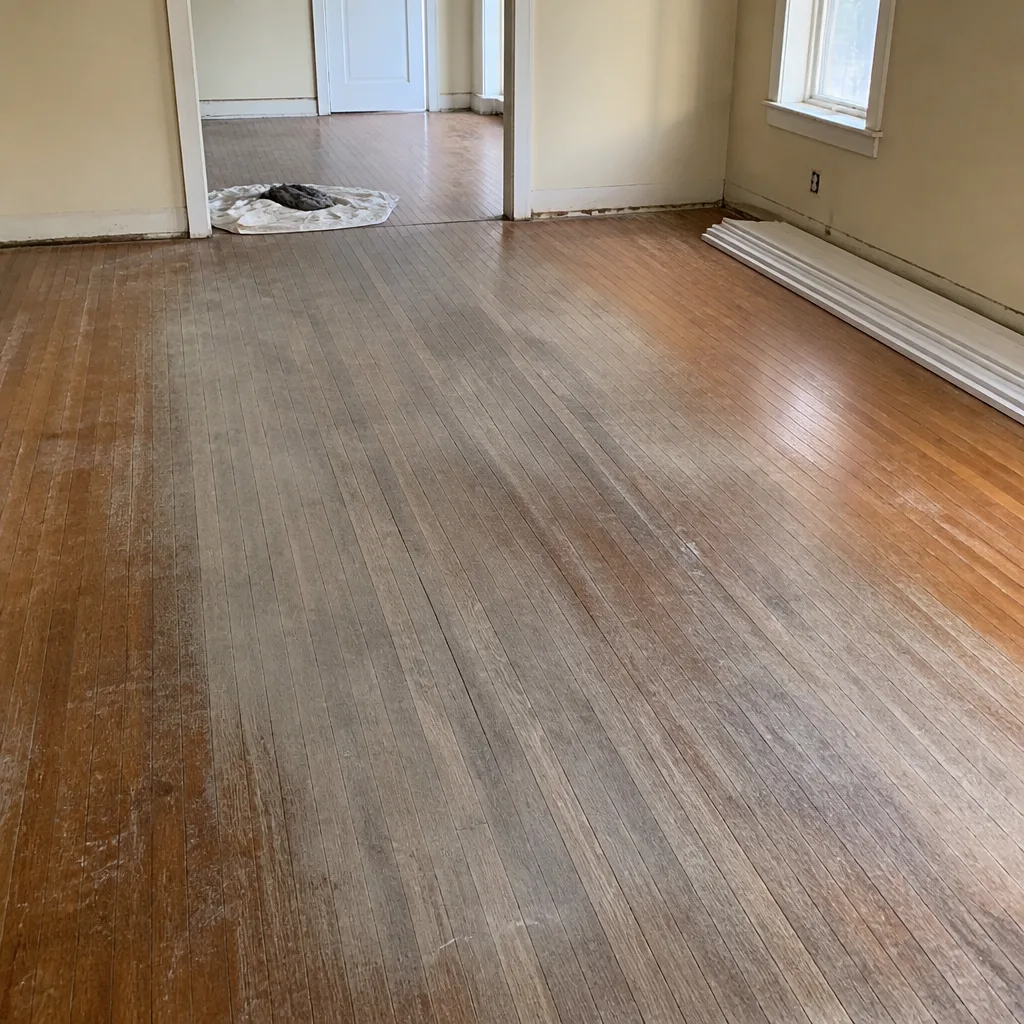 Before
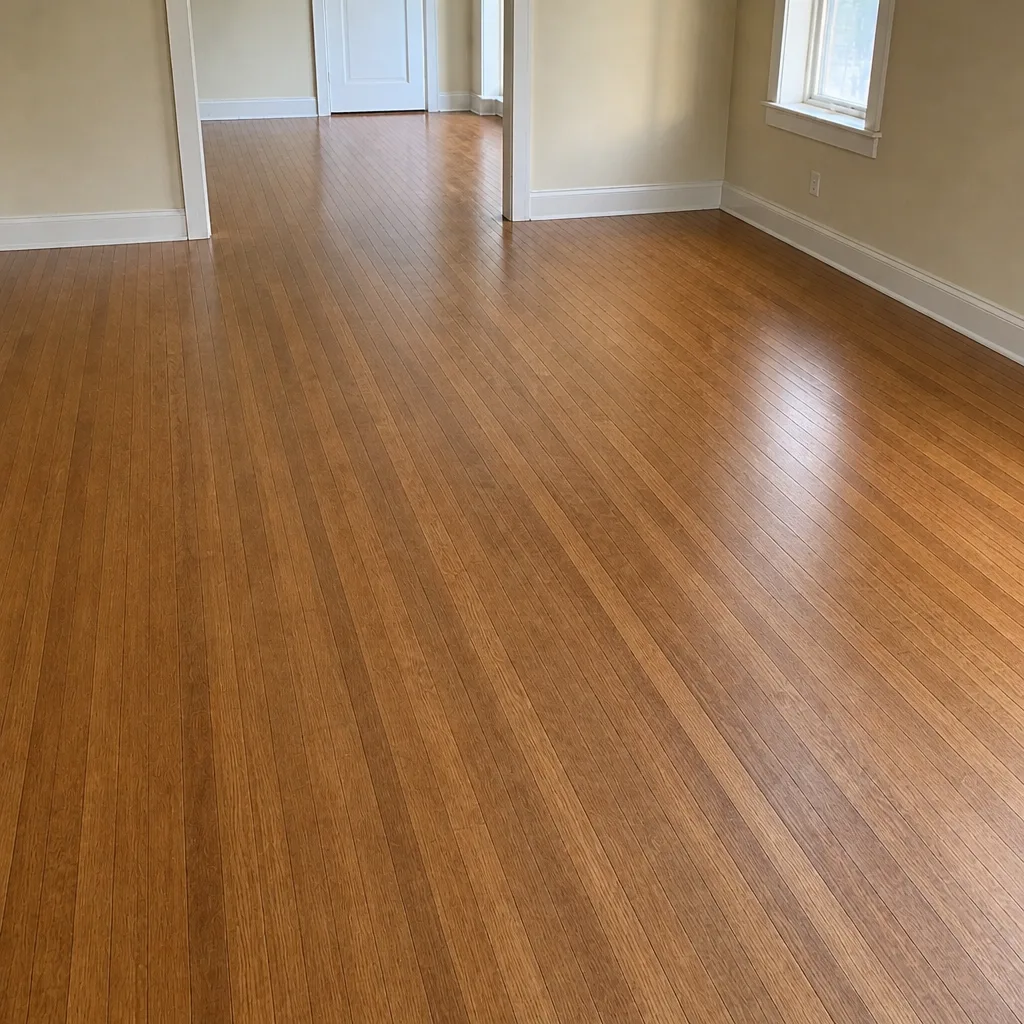 After
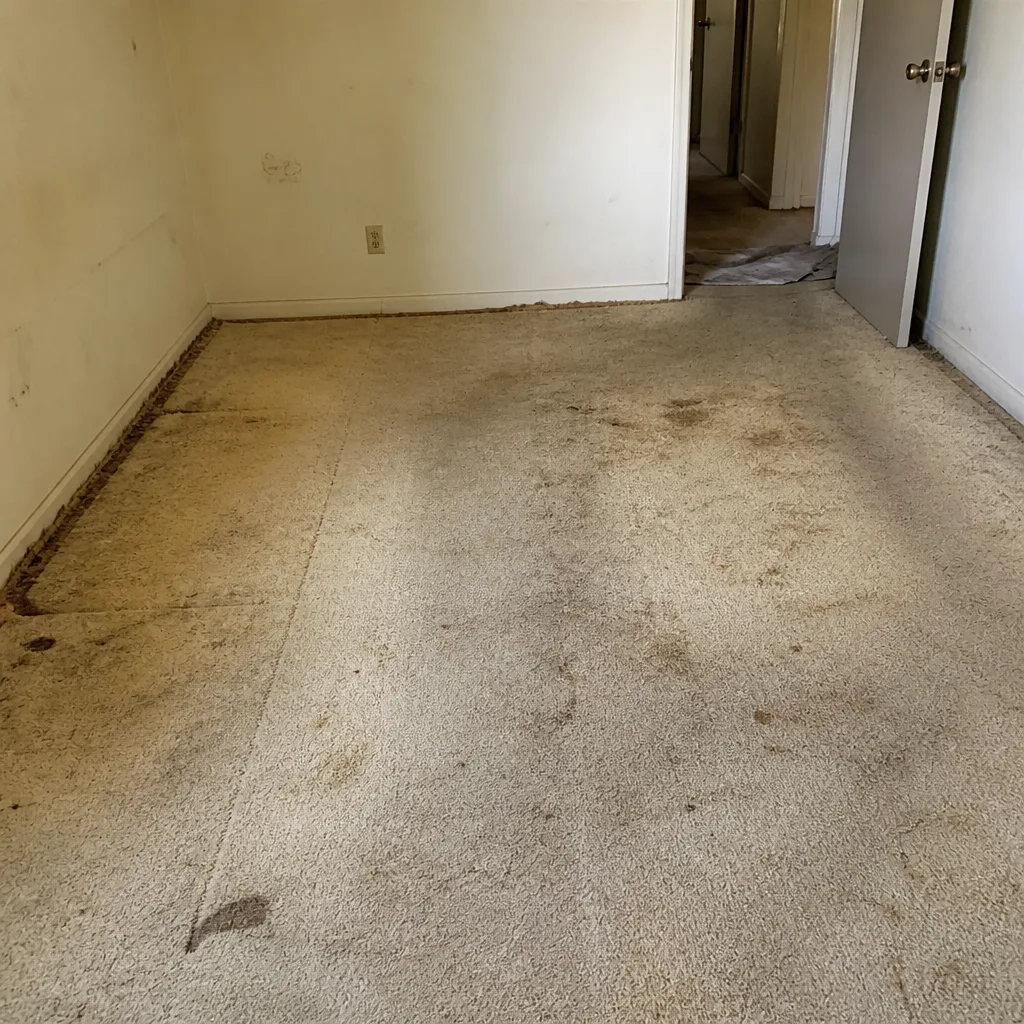 Before
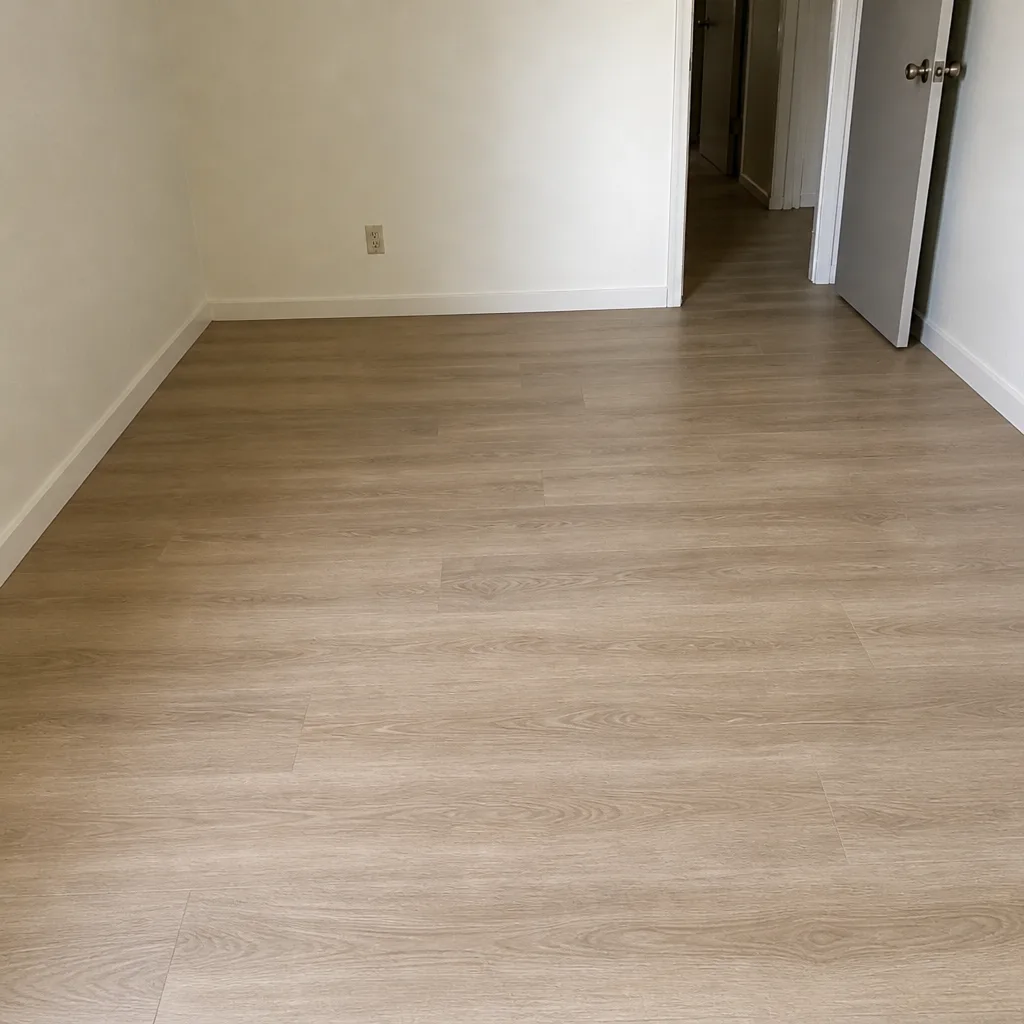 After
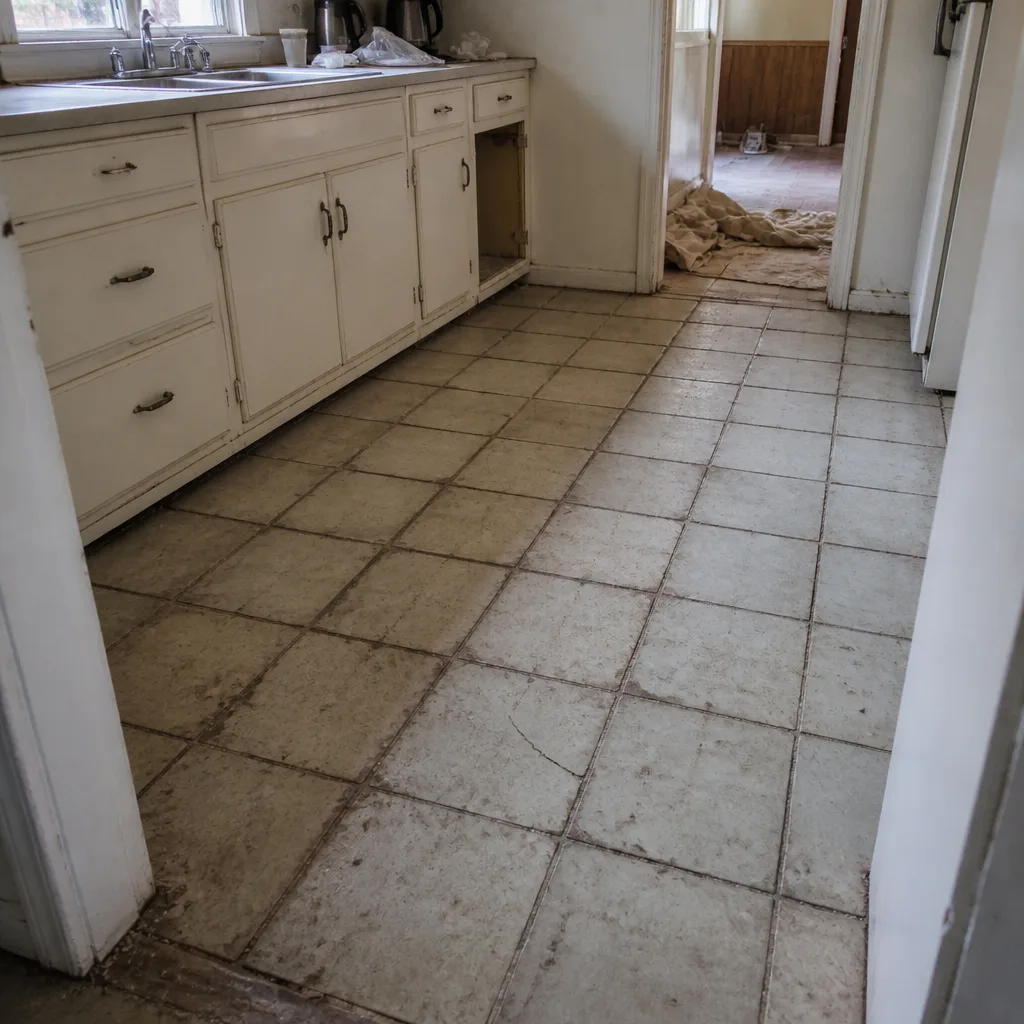 Before
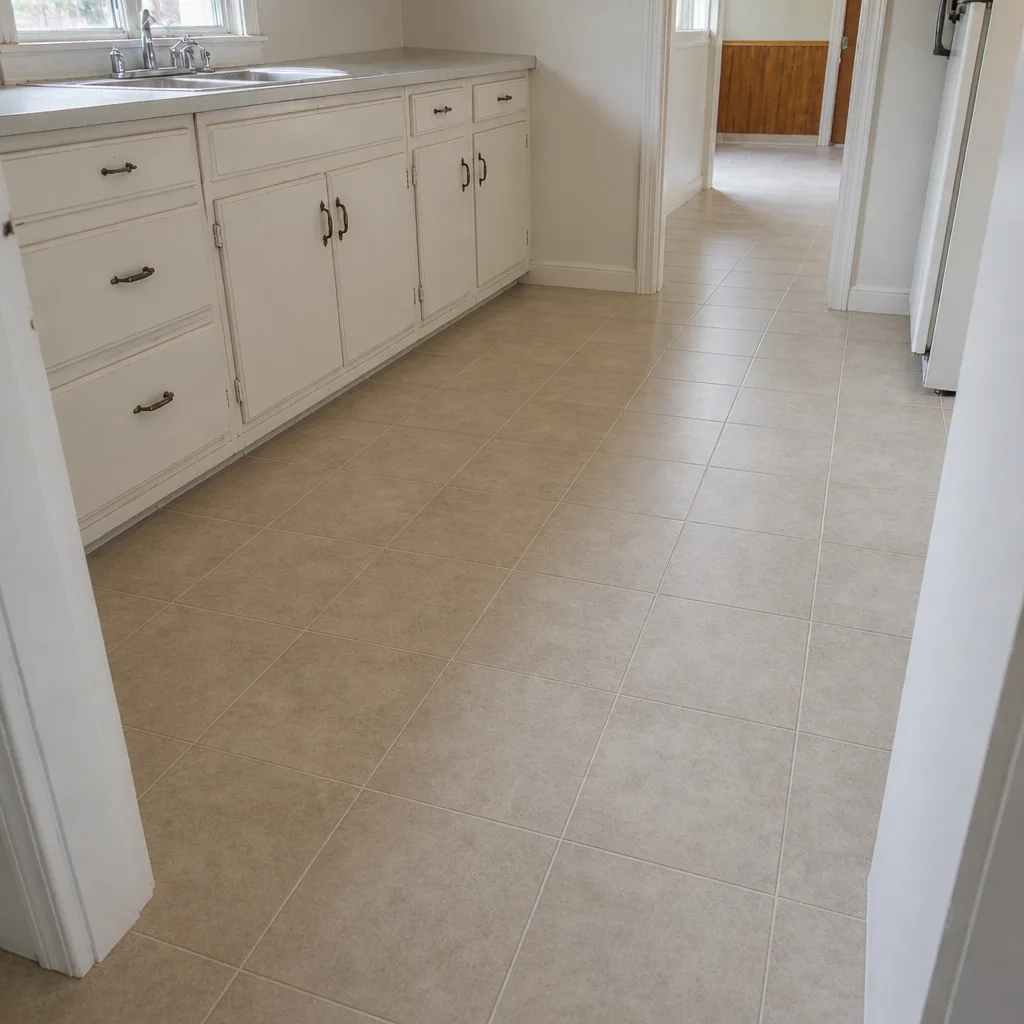 After
When to Call a Professional
Some flooring work deserves a professional on sight, not just on paper. Call us when the subfloor is in question, when the room has had moisture trouble, when the install involves stairs or tight transitions, when the floor is large enough that a bad seam will be visible, and when you’re considering refinishing an existing hardwood floor. The same goes for any tile room where grout lines and layout will define the look. Getting those decisions wrong is expensive to undo. Floors Enterprise offers free estimates in Enterprise – call (844) 320-5894 to schedule your free in-home measure and estimate. We answer 24/7. Fast dispatch from 7am to 7pm, Sunday through Friday. A call outside dispatch hours is booked into the next opening.
Frequently Asked Questions
It depends on the room and how long you’re staying. In kitchens, baths, pet-heavy homes, and mid-market resale situations, luxury vinyl plank is often the smarter choice because it handles moisture and traffic and has become widely accepted at resale. In formal living areas of a higher-end Enterprise home you plan to keep, hardwood still carries more weight. There’s no universal winner; the five-variable matrix above is the way to decide. Call (844) 320-5894 for an exact quote – estimates are free.
It means how long the clear top of your LVP will look new under real use. Thin budget wear layers show scuffs and dull in a couple of years in busy rooms; mid-grade handles a normal family; trade-spec lines like COREtec and Karndean are the ones you put down and forget about. Match the thickness to the room, not to the sample. Call (844) 320-5894 to talk through the right tier for your floor.
Yes, and it changes how the floor is installed more than which category you pick. Dry air pulls moisture from wood, so hardwood needs to acclimate before install. Hot summer rooms and closed-up houses affect how LVP expands, so expansion gaps matter. Low humidity affects how grout dries, so tile installers control room conditions. None of that rules out any material; it just means the installation plan has to account for the climate. Call (844) 320-5894 to schedule a free estimate that includes a climate-aware install plan.
Possibly. It depends on the thickness of the wood and its current condition – we check both at the estimate visit. A floor with enough material left on top and no serious structural damage is a good candidate and saves you the material cost. One that’s been refinished too many times or has water damage may need replacement. We’ll give you the honest read. Call (844) 320-5894 for a free refinishing estimate in Enterprise.
Nine brands across four categories: Shaw, Mohawk, COREtec, Pergo, LifeProof, Mannington, Armstrong, Daltile, and Karndean. That spans budget, mid-grade, and trade-spec lines in carpet, tile, hardwood, and LVP, so you can compare tiers in one conversation. We’re a specialist in flooring, not a general contractor adding a service. Call (844) 320-5894 to set an estimate.
The price is set per job by a written estimate after we measure the room and check the subfloor. The estimate is free, and we don’t quote a price before we’ve seen the floor. Any number before the estimate visit is a ballpark; the written quote is the final number. Call (844) 320-5894 to schedule your free estimate.
The Bottom Line
The hardwood-versus-LVP-versus-laminate-versus-tile decision doesn’t belong to design trends. It belongs to five variables: subfloor, moisture, resale timeline, traffic, and budget. Work them room by room, and the right material usually picks itself. In Enterprise’s dry desert air, installation details like acclimation for wood, expansion gaps for vinyl, and grout control for tile matter as much as the product. Wear layer framing and honest resale projections are how to compare tiers without getting talked into the wrong floor. One specialist can hold the whole picture: four categories, nine brands, and refinishing as a cost-smart path on existing wood. Featuring the whole-home approach across Enterprise, we can plan a multi-surface project with a single schedule and a single written estimate.
Call (844) 320-5894 to schedule your free in-home measure and estimate. We answer 24/7. Fast dispatch from 7am to 7pm, Sunday through Friday, and we’re closed Saturday. We don’t promise same-day installation – the install is a booked job, scheduled after the estimate and the written quote are in your hands.
Written by the team at Floors Enterprise.